

Diabetes management is also rooted in healthy habits, which ensure they are maintaining steady blood sugar levels as well as lowering complication risks. Older adults are at a higher risk of complications and other issues, making it even more critical to follow a consistent routine that helps to support their entire well-being.
 Older adults can manage blood sugar levels with the help of mindful habits. (Picture credit: Freepik)
To understand diabetes management lifestyle habits, HT Lifestyle reached out to Dr Syed Mukhtar Mohiuddin, Consultant and GP at Anvayaa, who revealed that with everyday practices, one can improve stability and reduce risks
1. Follow a balanced diet 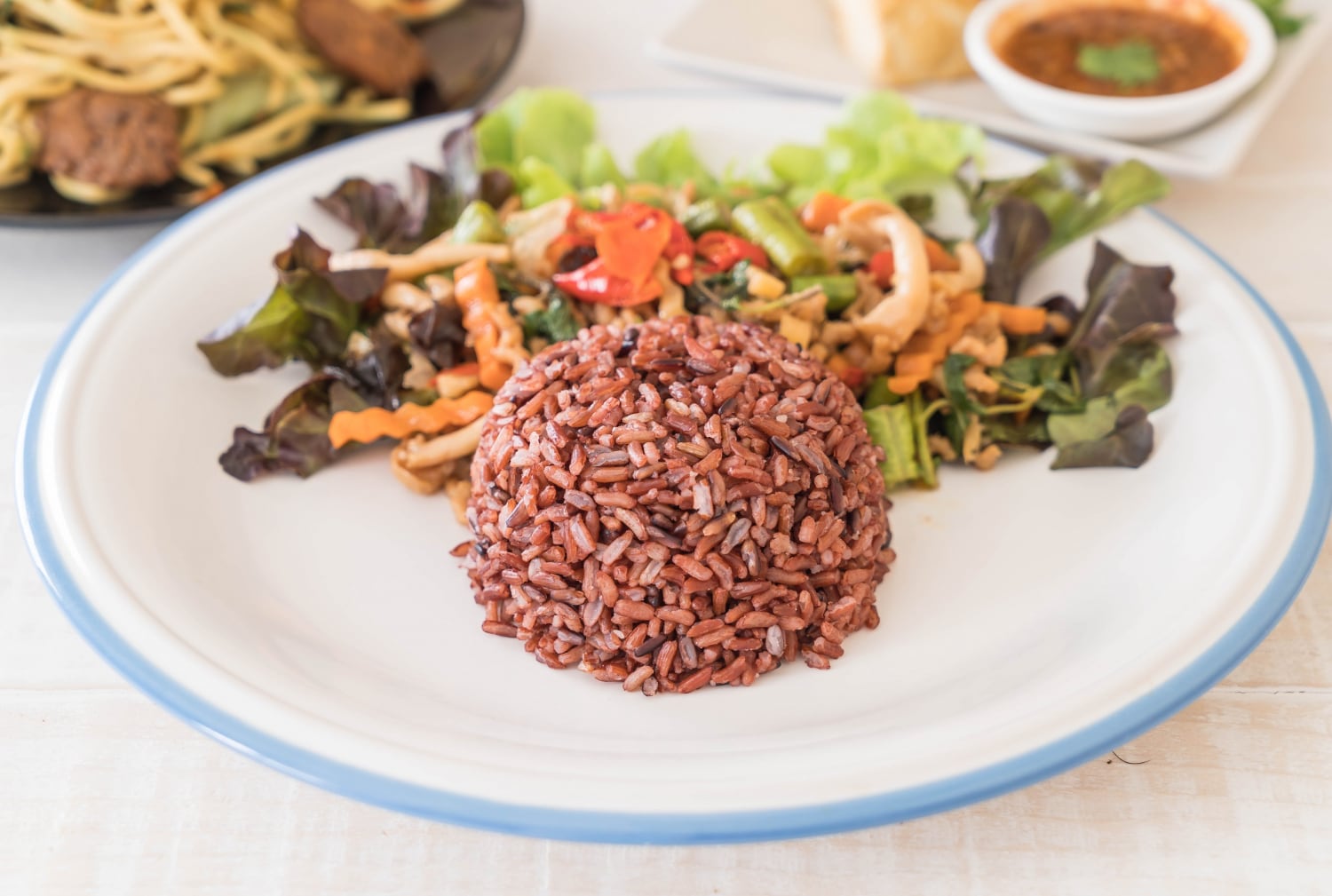 Brown rice is a healthier alternative, reducing the reliance on white carbs. (Freepik)
The food choices you make help in keeping blood sugar levels stable. For seniors, Dr Mohiuddin suggested adding nutrients that prevent rapid spikes.
He elaborated, “Track carbohydrate intake to minimise sudden fluctuations and include adequate protein to maintain muscle strength and prevent sarcopenia, a condition commonly associated with ageing. Eat fibre-rich foods such as oats, leafy greens, whole grains, and vegetables should be a daily staple, as they help control glucose absorption and improve digestion.”
Dr Mohiuddin listed these tips, from what to prioritise to what should be the portion control:
Eat: Lean proteins (eggs, fish, lentils), complex carbs (millets, brown rice), and high-fibre vegetables.Avoid: Sugary beverages, refined carbs (white rice, white bread), fried foods, and processed snacks.Portion control: Smaller, frequent meals instead of heavy portions also help maintain stable sugar levels throughout the day.2. Incorporate gentle and regular exercise  Yoga emerges to be one of the ways seniors can stay flexible while also practising mindfulness. (Picture credit: Freepik)
“Simple habits such as 10 minutes of light walking or stretching before and after meals can make a significant difference in controlling post-meal sugar spikes,” the doctor advised, because physical activity plays a vital role in managing insulin sensitivity.
Other exercises he named, which are low-impact and that older adults can do: yoga, tai chi, or simple strength training. For better glucose control, long periods of inactivity should be avoided.
3. Monitor key health parameters consistently
The doctor highly recommended regular monitoring to help in early detection and prevention of complications.
4. Stay hydrated
Dr Mohiuddin recommended drinking sufficient water: “Seniors should aim to drink enough water throughout the day and limit beverages high in sugar or caffeine.” It supports metabolism, while also lowering the risks of unpredictable sugar spikes.
5. Manage sleep and stress effectively
Lastly, the doctor addressed one of the pillars of good health that applies to all, regardless of health conditions: sleep. “ Ensure 7-8 hours of consistent sleep and practice meditation, deep breathing, or mindfulness to reduce stress levels, which can otherwise lead to blood sugar fluctuations,” he said. Along with sleep, stress-management techniques also keep glucose levels from rising unpredictably.
In other words, along with medications, combining simple lifestyle habits helps to create a strong management style for regulating diabetes in seniors.
Note to readers: This article is for informational purposes only and not a substitute for professional medical advice. Always seek the advice of your doctor with any questions about a medical condition.