
About 30 students are expected next year, she said. The college will keep adding a year level each year as the town grows, until it offers Year 7 to 13 by 2030.
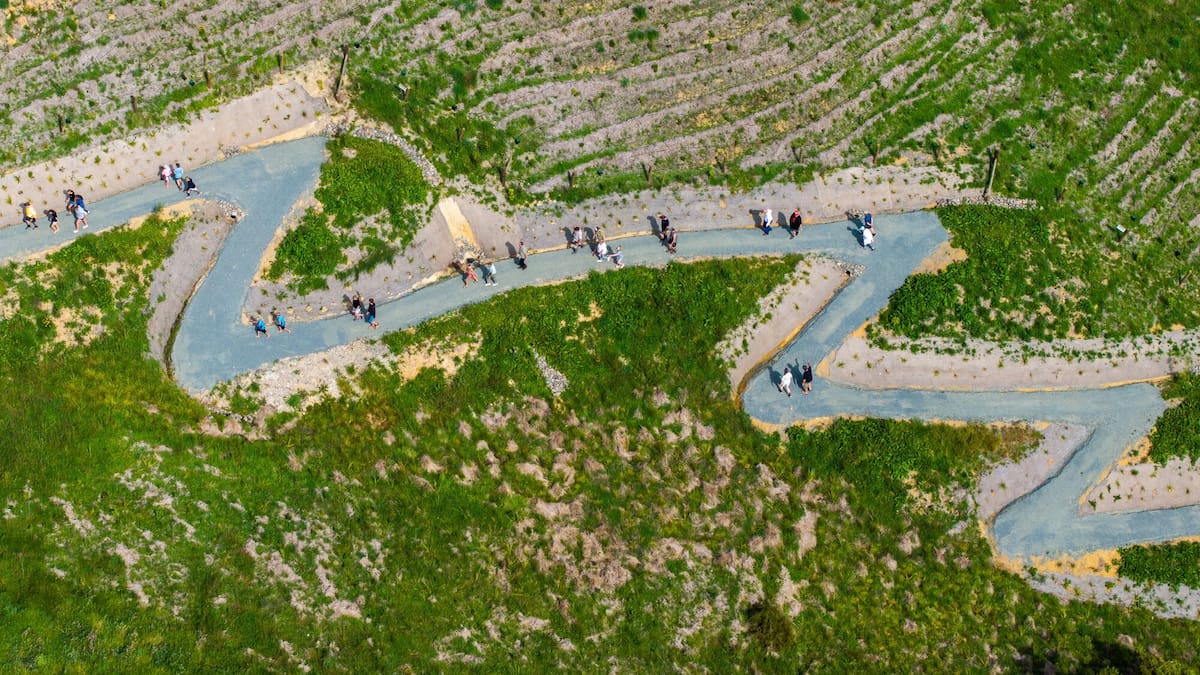
The planting on November 25 took place in the 185ha Mangawhai Hills development, an eco development that includes new homes, land regeneration, self-sufficient infrastructure and public recreation spaces.
Each foundation student planted a native tree, donated by Takana Native Tree Nursery, alongside the public trail. Plaques will also be installed to acknowledge each student.
Corkin said the students were chuffed to know a tree in their name would be there forever, with the plants being a reasonable size too.
“This tree planting acknowledges that Mangawhai is investing in its young people and putting the right infrastructure in place for this town’s future,” she said.
Mangawhai Hills College Year 9 student Coco Braat was among the foundation students happy to be planting a tree in their name on the walkway.
Parent Billie-Jo Griffin said families were already experiencing the benefits of local schooling.
“For years, students have had to travel outside Mangawhai to attend high school. Now our kids can learn here, with strong ties to the land and the community supporting them.”
During flash flooding in Mangawhai in 2023, many high school students attending the nearest school, Ōtamatea High School, were unable to get home due to flooding and slips.
Mangawhai Hills developer Patrick Fontein said integrating education, conservation and public amenities were key aspects of the development, including a network of up to 15km of public walking and cycling trails.
“Providing land for the college and building recreational spaces around it is a practical way we can play our part in ensuring Mangawhai continues to grow in a well-planned, sustainable way.”
Fontein said the delivery of public amenities in Mangawhai must keep pace with the growing population’s needs.
“As more families settle here, we’re rolling out self-sufficient infrastructure, nature trails and residential sections so the community has what it needs well into the future. This is how long-term growth should be approached.”
Denise Piper is a news reporter for the Northern Advocate focusing on health and business. She has more than 20 years in journalism and is passionate about covering stories that make a difference.