
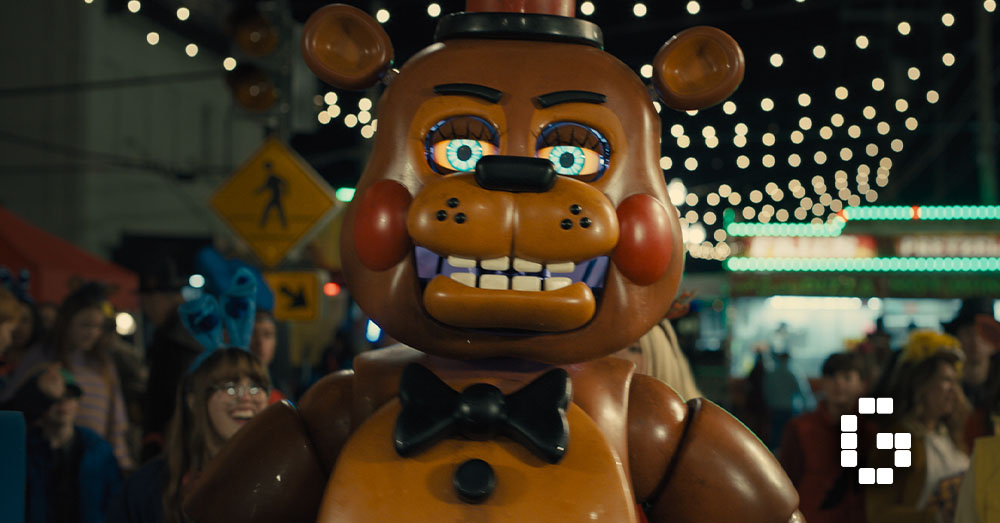
Blumhouse Productions and Scott Cawthon return with director Emma Tammi for Five Nights at Freddy’s 2, the follow-up to 2023’s divisive yet commercially successful adaptation of the cult horror game. Backed by Universal Pictures, Blumhouse, Scott Cawthon Productions, and Mind Hive Films, the sequel promised a darker plot, higher stakes, and a deeper dive into the lore of Freddy Fazbear’s Pizza. The cast returns with Josh Hutcherson, Elizabeth Lail, and Piper Rubio, joined by horror veteran Matthew Lillard.
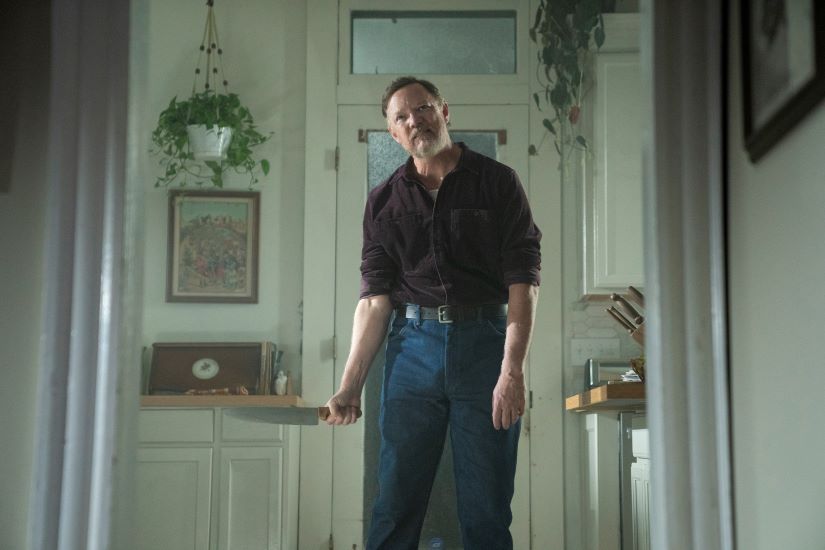 Image Credit: Blumhouse Productions
The intention is there. The ambition is visible. But the final product? Even with an expanded cast, larger sets, and more animatronics, Five Nights at Freddy’s 2 struggles to deliver a cohesive horror experience.
Story & Themes
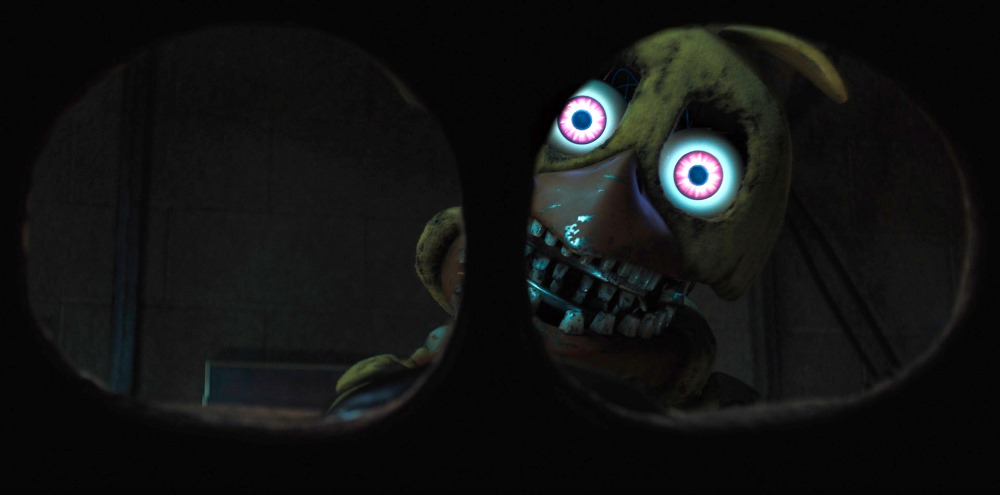 Image Credit: Blumhouse Productions
The sequel opens with a chilling flashback of young Charlotte’s murder at the original Freddy Fazbear’s location — a bold start that signals the filmmakers’ willingness to explore darker material. Set a year and a half after the first film, Mike (Josh Hutcherson) and police officer Vanessa (Elizabeth Lail) attempt to live normal lives while keeping the truth from Mike’s younger sister, Abby (Piper Rubio). When Abby sneaks out to reconnect with Freddy, Bonnie, Chica, and Foxy, the past comes back to haunt them, unveiling secrets and dangers that are lurking..
Despite being called Five Nights at Freddy’s, the film barely features most of the animatronics — including Freddy himself. Their limited screen time reduces what should be terrifying encounters to fleeting glimpses or off-screen mentions, leaving much of the tension implied rather than realised. For a franchise defined by animatronic terror, this absence is a glaring disappointment. Even the promise of “more animatronics than the first film,” realised through Jim Henson’s Creature Shop’s painstaking construction and puppetry, never fully translates into meaningful on-screen threat.
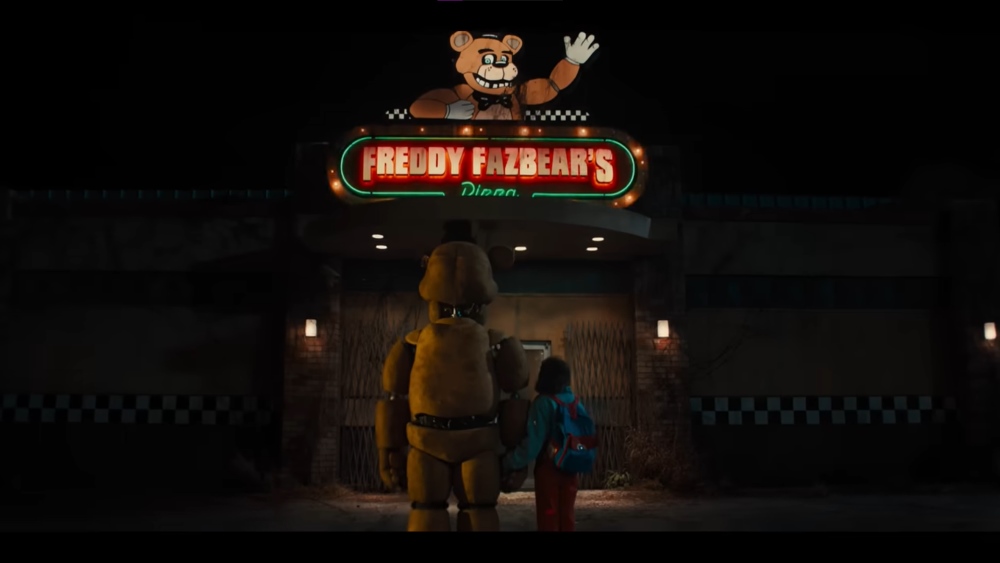 Image Credit: Blumhouse Productions
Narratively, the film juggles multiple characters and locations, from Freddy Fazbear’s new pizzeria (though technically its an old pizzeria) with its massive riverboat attraction to hidden back rooms and abandoned hallways. While these settings are visually ambitious, the pacing is chaotic. Emotional beats are rushed, transitions abrupt, and moments that could build dread are frequently interrupted by cheap jump scares.
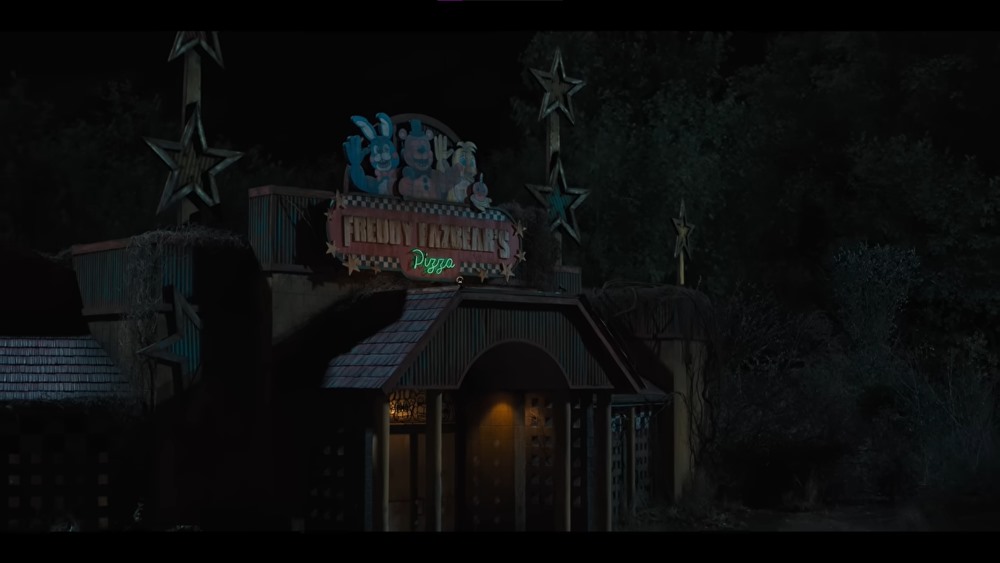 Image Credit: Blumhouse Productions
The lore expands, but inconsistently. Some aspects are over-explained, others left ambiguous. The story sometimes feels like it’s trying to honour the game while also shoehorning in a sequel-level spectacle, resulting in a scattered, uneven narrative.
Characters & Performances
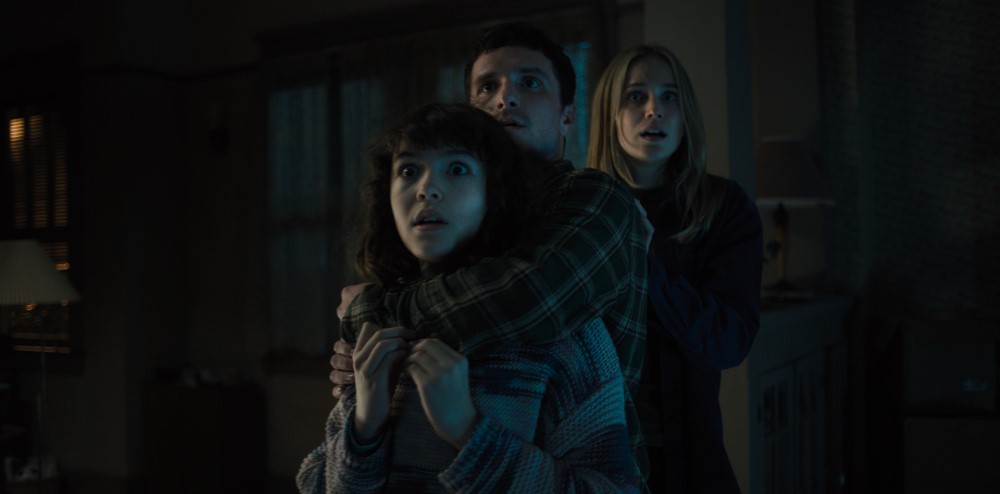 Image Credit: Blumhouse Productions
The cast delivers some of the film’s few highlights. Josh Hutcherson grounds the movie as Mike, a former security guard burdened with trauma yet striving to protect Abby. Piper Rubio shines as Abby, balancing youthful curiosity with emotional resonance. Elizabeth Lail’s Vanessa remains compelling, though inconsistent in her depiction due to tonal shifts in the script. Matthew Lillard returns as William Afton, providing twisted energy and menace (though very briefly), while newcomers such as McKenna Grace and Skeet Ulrich add layers, if briefly, to the story.
The chemistry among the returning trio offers some grounding, but much of the ensemble, including Freddy Carter and Wayne Knight, is underutilised. The characters’ arcs are often rushed, leaving minimal emotional payoff despite the actors’ strong performances.
Horror & Atmosphere
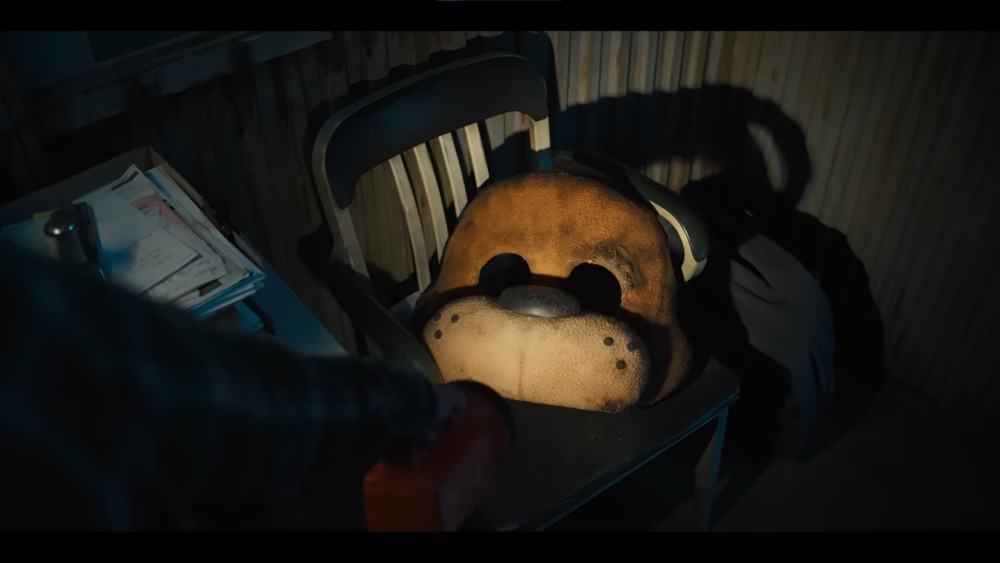 Image Credit: Blumhouse Productions
The film’s horror elements are a mixed bag. On the one hand, Five Nights at Freddy’s 2 attempts to build a tense and immersive atmosphere through its expansive sets, dimly lit corridors, and clever practical effects. Director Emma Tammi leans heavily on shadows, reflective surfaces, and tight camera framing to evoke the claustrophobic, unnerving environment that the game series is famous for. Moments where the animatronics appear — particularly the Marionette and Mangle — showcase some genuinely inventive choreography and puppetry. These sequences demonstrate the technical prowess of Jim Henson’s Creature Shop, with animatronics moving in eerily lifelike ways that briefly recapture the sense of dread that fans expect.
Image Credit: Blumhouse Productions
However, the scares are inconsistent. The film frequently substitutes tension-building for sudden jump scares, which, while startling, often feel unearned and predictable. The limited screen time of key animatronics — even Freddy himself — reduces opportunities for prolonged suspense. Scenes that should generate sustained fear instead rely on quick cuts or off-screen reactions, which undercuts the potential impact. There is a notable contrast between the visually stunning set pieces and the fleeting moments of horror; audiences are teased with glimpses of animatronics rather than experiencing their menace in full. The result is a tension that builds and dissipates too quickly, leaving viewers with an unsettling, rather than terrifying, experience.
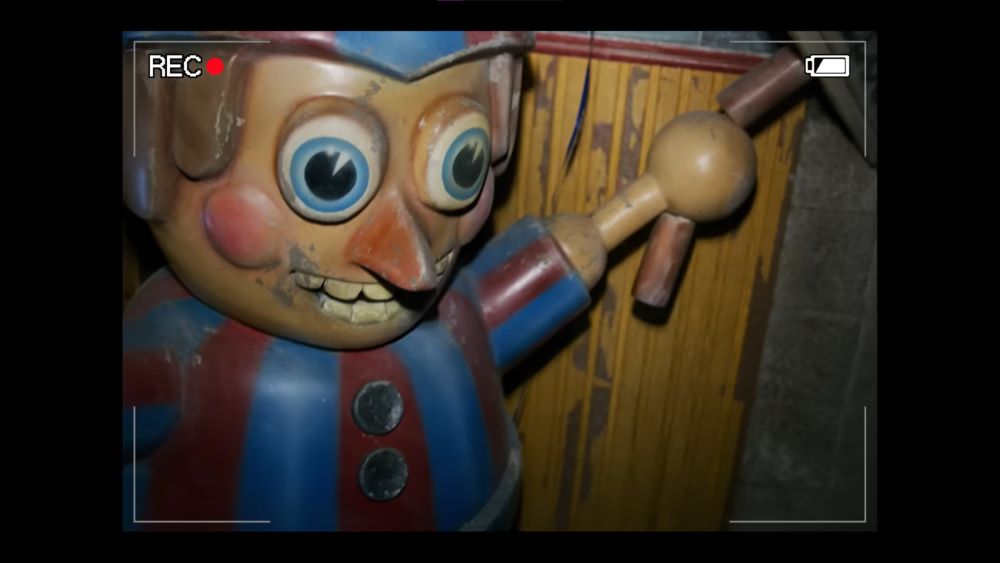 Image Credit: Blumhouse Productions
Atmospheric sound, lighting, and careful set design partially compensate for this, but there is a persistent sense that the film’s ambition to expand the world of Freddy Fazbear’s Pizza comes at the cost of the intimacy and dread that defined the first film. In other words, it is impressive to look at, but less effective at making you genuinely afraid.
Visuals, Animatronics & Production Design
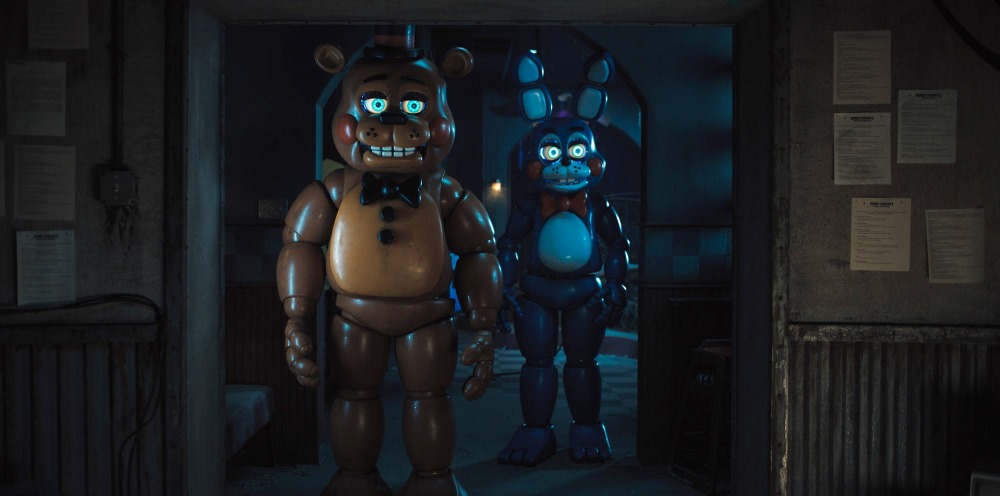 Image Credit: Blumhouse Productions
Here, the production excels. Jim Henson’s Creature Shop built nearly three times as many animatronics as the first film, including the technically complex Mangle and the Marionette puppet, which required teams of puppeteers to operate. Freddy Fazbear’s Pizza is an ambitious set, featuring a 200-foot-long riverboat attraction and a 150-foot cave system. Production designer Marc Fisichella and costume designer Whitney Anne Adams crafted multiple eras and detailed environments, from a newly opened pizzeria to aged, abandoned locations, all with meticulous attention to detail.
Yet even with these impressive production values, the animatronics remain largely background pieces rather than central threats. Scenes showcasing them are often too brief to fully exploit their presence, meaning the audience is left wanting more, which is a problem compounded by the film’s title, which promises “Five Nights at Freddy’s” that are barely delivered.
Sound & Music
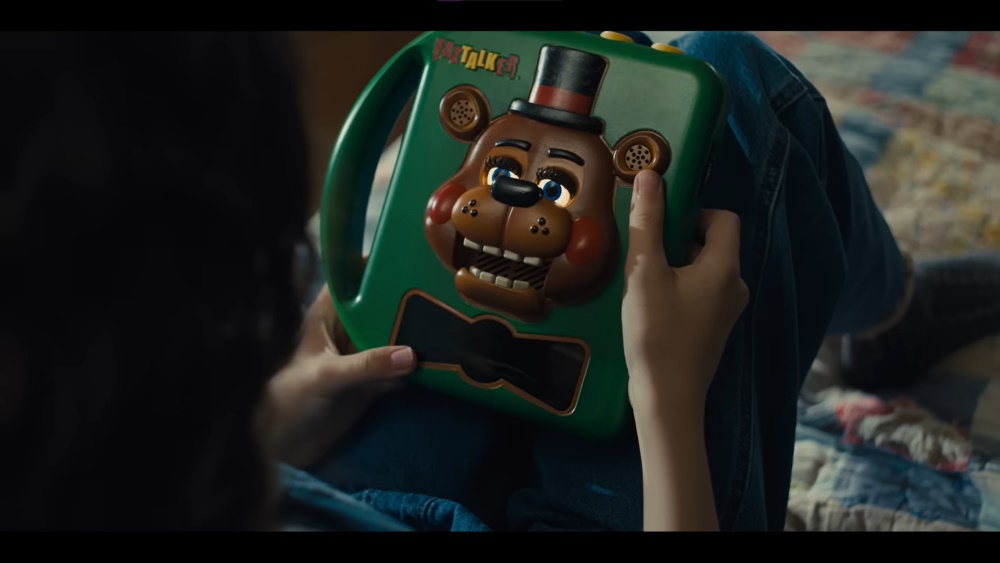 Image Credit: Blumhouse Productions
The audio landscape of Five Nights at Freddy’s 2 is one of its most consistently strong elements. The Newton Brothers’ score skillfully balances tension and playful mischief, reflecting the franchise’s signature blend of horror and camp. Mechanical noises — creaking, clanking, and robotic whirring are expertly layered to evoke the impression of sentient machines, and sound cues are strategically used to signal danger even when the animatronics are not on screen, but are sadly barely used on-screen.
The sound design contributes heavily to building anticipation. Ambient audio cues, such as the distant laughter of children or the hum of arcade machines, create a dissonant, unsettling feeling that keeps viewers on edge and would remind players of the Five Nights at Freddy’s 2 gameplay. Even the quieter moments like empty hallways or a slowly rotating security camera — are enhanced by a subtle audio presence, which fills the spaces between scares and maintains tension. The soundscape often succeeds where the visuals cannot, offering hints of menace and atmosphere that encourage the audience’s imagination to fill in gaps left by the limited animatronic appearances.
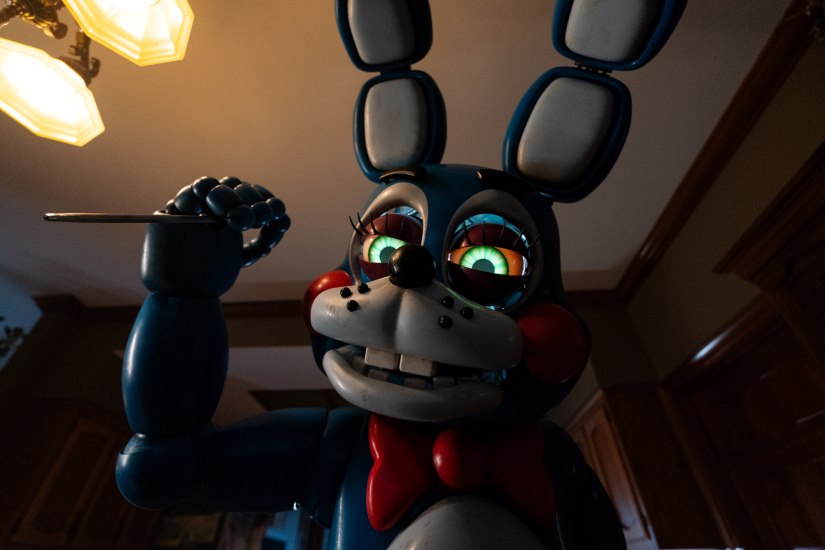 Image Credit: Blumhouse Productions
That said, the reliance on sudden loud noises or shrill musical stingers occasionally undermines the more subtle horror moments. Jump scares are frequently accompanied by exaggerated sound cues that feel designed to shock rather than sustain fear. While this will satisfy younger or casual audiences, horror enthusiasts seeking a slow-burn experience may find these moments formulaic. Nonetheless, the overall craftsmanship of the score and sound design remains a high point, demonstrating how audio can elevate a film even when other elements falter.
Pacing & Overall Impact
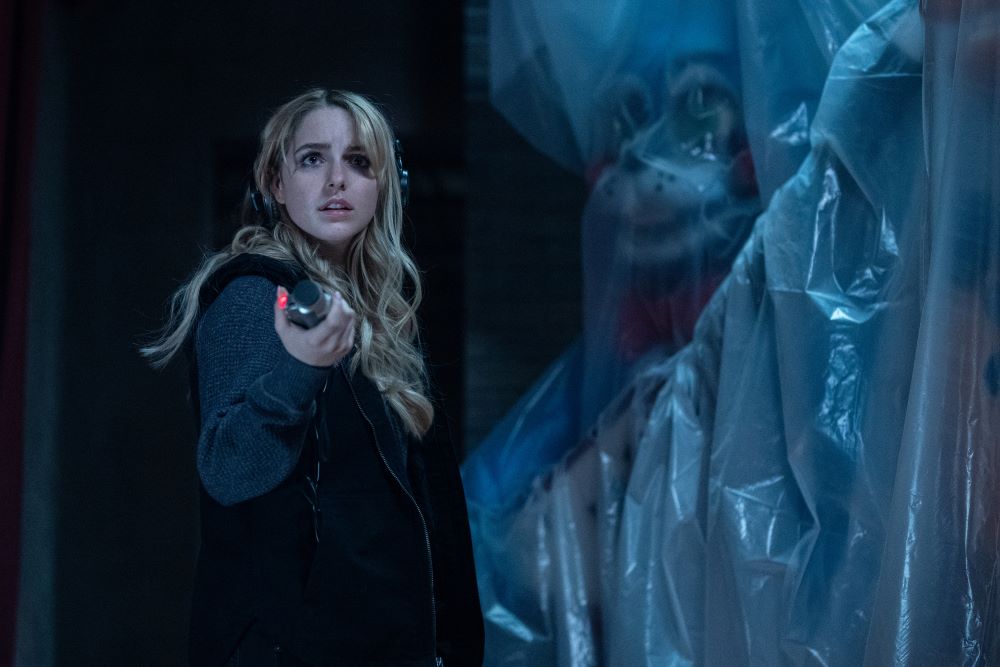 Image Credit: Blumhouse Productions
Pacing is one of the most challenging aspects of Five Nights at Freddy’s 2. With a larger cast, expanded settings, and a more complex plot, the film often feels overstuffed. Action sequences, character development, and exposition are compressed into short bursts, which creates an uneven rhythm. High-intensity moments are frequently followed by abrupt lulls, making it difficult for tension to sustain. Conversely, slower sequences sometimes drag, particularly when the story pauses to explain lore that could have been conveyed more organically.
The expanded geography of Freddy Fazbear’s Pizza , including its riverboat attraction and cave system, allows for cinematic variety but also contributes to pacing issues. Scenes traverse these intricate environments with energy and flair, yet transitions between locations occasionally feel abrupt, undermining narrative cohesion. Emotional beats, such as Mike and Abby’s sibling bond or Vanessa’s struggle with her father’s shadow, are occasionally overshadowed by spectacle, leaving less time for viewers to invest fully in character stakes.
Despite these flaws, the film delivers occasional high-impact sequences that justify its existence. Carefully staged animatronic encounters, practical effects, and moments of genuine suspense provide a glimpse of the franchise’s potential on the big screen. Still, the inconsistent rhythm prevents Five Nights at Freddy’s 2 from achieving the level of sustained terror and emotional resonance that it clearly aims for. Audiences may leave with a sense of admiration for the production values and ambition, but also mild frustration at what could have been a more cohesive and terrifying experience.
Final Verdict
 Image Credit: Blumhouse Productions
Five Nights at Freddy’s 2 is ambitious, with impressive sets, animatronics, and performances, yet it never fully delivers the scares or narrative coherence fans expect. Despite the expanded roster of animatronics, Freddy himself and most iconic characters are largely absent from key sequences, reducing the titular terror to fleeting glimpses. The chaotic pacing, inconsistent storytelling, and reliance on jump scares make it a middling sequel — enjoyable for die-hard fans curious to see more of the universe, but unlikely to satisfy horror enthusiasts seeking genuine dread.
It is a sequel with ambition, craftsmanship, and heart, but ultimately, it is constrained by uneven execution and underused horror icons.