
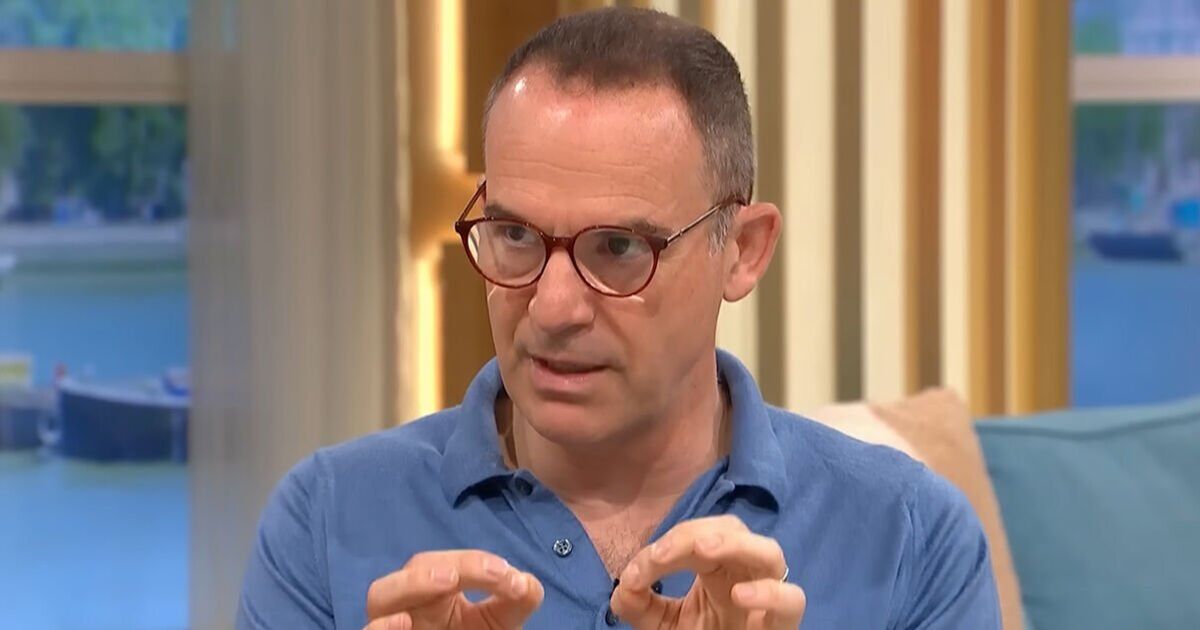
Martin Lewis has explained how ISA allowances work for the tax-free accounts. You can currently deposit up to £20,000 a year into ISA accounts, and this can be split between cash ISAs, and stocks and shares ISAs.
A key benefit of ISAs is all your interest earnings or investment growth within these accounts is tax-free, as long as you stay within your annual allowance. A listener to his BBC podcast wrote in to ask how the yearly limit works.
They asked about a hypothetical case where a saver deposits the maximum £20,000 one tax year, and then deposits the maximum £20,000 again on the first day of the new tax year. The person wanted to know, would the first £20,000 be taxed, as they would have put in a total of £40,000 by the end of year two.
The question was then put another way, asking if they could save £20,000 a year over four years, amassing £80,000 in total deposits, all within the tax-free allowance.
Mr Lewis said in response: “Simple answer, yes you can. That’s exactly how it works. Your ISA allowance is an annual allowance. Once the money is in a cash ISA or a stocks and shares ISA, it remains tax-free, in perpetuity, as long as it’s inside the ISA wrapper.”
Explaining the rules further, Mr Lewis said: “You can put the maximum ISA allowance in this year and then you can put a whole new ISA allowance in at the start of the next tax year, and the same the tax year after that, and the same the tax year after that. That’s the way ISAs work, and that’s what enables people to build money in it.”
A common misunderstanding
However, Mr Lewis warned there is one aspect of ISAs that people often misunderstand. He said: “Just to be clear on this, people are always worried that when they have a cash ISA and they want to transfer it to a new cash ISA provider to increase the rate, that that will use up their annual allowance.
“It doesn’t – the allowance is simply on new money that you are putting in ISAs, that has not been in ISAs before. Money already in ISAs, even if you’re transferring it from a cash ISA to a shares ISA, does not use up your annual allowance. There’s no timing issue on doing it. It’s only new money going in that affects how much you in future.”
Changes to ISAs announced in the Budget
ISA savers may want to note a key change to ISA allowances announced in the Autumn Budget. From the April 2027 tax year, you will still get the £20,000 allowance, but only £12,000 of this will be available for either cash ISA or stocks and shares ISA deposits.
The remaining £8,000 can only be used for stocks and shares ISAs. The new rules will not apply to people aged over 65, who will retain the current £20,000 allowance.
Another ISA limit to note here is the junior ISA allowance, which is separate from the £20,000 adult allowance and is available for children aged under 18. You can deposit up to £9,000 a year into these accounts for a child, and this allowance will stay the same until April 2031.
Parents or guardians with parental responsibility can open a junior ISA and manage the account, but the funds belong to the child. The child can take control of the account when they turn 16, but they can’t withdraw the money until they are 18.