
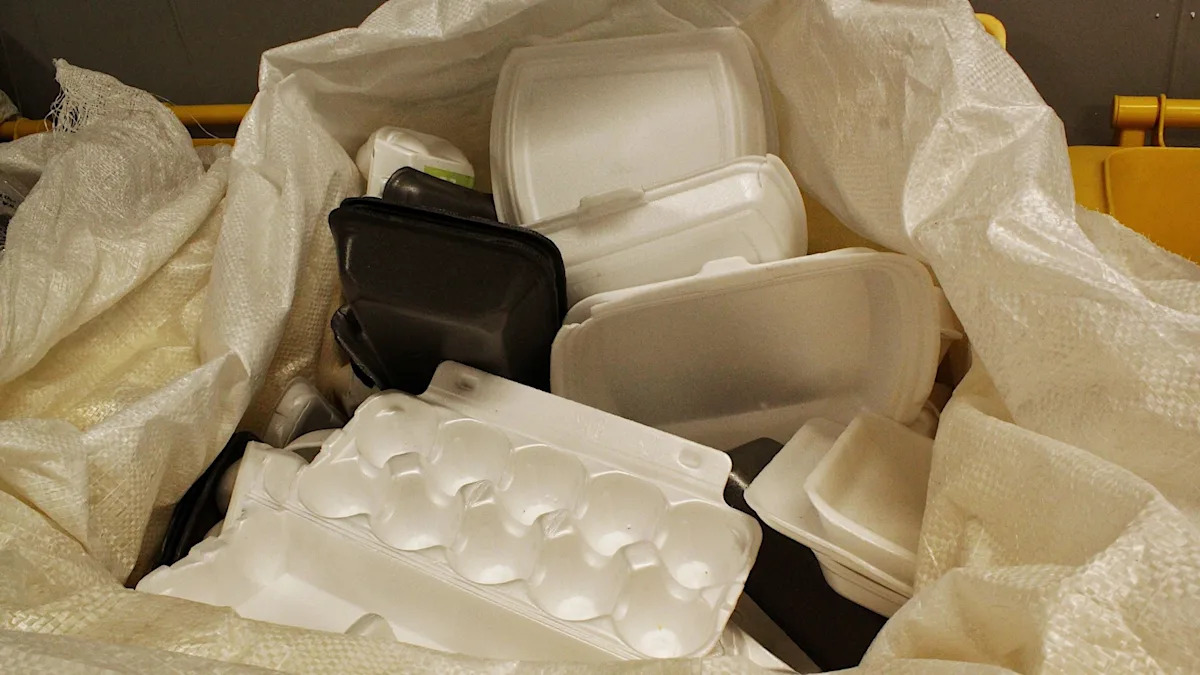
Experts in China have developed a ZipRecruiter of sorts for trash-eating enzymes.
Specifically, the Beijing University team and its partners are using machine learning — a branch of artificial intelligence — to identify enzymes that are well-suited for breaking down hard-to-recycle thermoset polyurethanes, or PUs. They are commonly used in product shipping, according to Packaging Insights, an online news and data hub for the sector.
The goal is to turn the common foams into recyclable materials. If successful, it could be huge for the effort to prevent packaging pollution that originates from the products we buy each day. Our World in Data reported that shipping materials are responsible for 40% of the world’s plastic waste, for reference.
“PU, with an annual global consumption of 22 million metric tons in 2024, constitutes the second largest category of hydrolyzable plastics,” the scientists said, per PI.
Dealing with a good portion of it involves overcoming stubborn chemical bonds that are resistant to degradation, according to the study abstract published by Science.
“This work highlights how deep learning accelerates the discovery of biocatalysts with industrial potential and addresses a critical barrier in polyurethane recycling,” the scientists wrote.
The team’s recruiting program identified 24 candidates with potential to tackle the prolific waste. Many of the enzymes have qualities that to this point were misclassified when in fact they have traits that can help to break down the troublesome PUs, according to the report.
Fascinatingly, the enzymes aren’t the only creatures with an appetite for trash. A Kenyan insect that can digest Styrofoam has been discovered. A team in Canada is studying waxworms’ potential for eating plastic, as well.
A big way to help is avoiding plastic when possible, especially throwaway items such as water bottles. A $40 reusable vessel can save you around $260 annually while providing a much better experience. Recycle Check can help you learn more about recycling options in your area as part of the effort to lessen landfill volume.
The World Wildlife Fund reported that many common plastics such as straws and bottles can take decades to hundreds of years to degrade, breaking down into harmful microplastics along the way. The tiny particles are entering animal and human bodies with health repercussions that are still being studied.
Stanford Medicine reported that microplastics have been found in many organs and bodily fluids at the earliest stages of life. Evidence is growing that they are harmful.
“We’re born pre-polluted,” Stanford pediatric infectious diseases expert Dr. Desiree LaBeaud said.
In the meantime, the Beijing experts plan to continue studying enzymes that could help reduce the burden.
“Such efforts will not only deepen our understanding of enzyme function repertoires but will also contribute to the development of biocatalysts with broad applicability across various industrial challenges,” the scientists said.

��
Get TCD’s free newsletters for easy tips to save more, waste less, and make smarter choices — and earn up to $5,000 toward clean upgrades in TCD’s exclusive Rewards Club.