
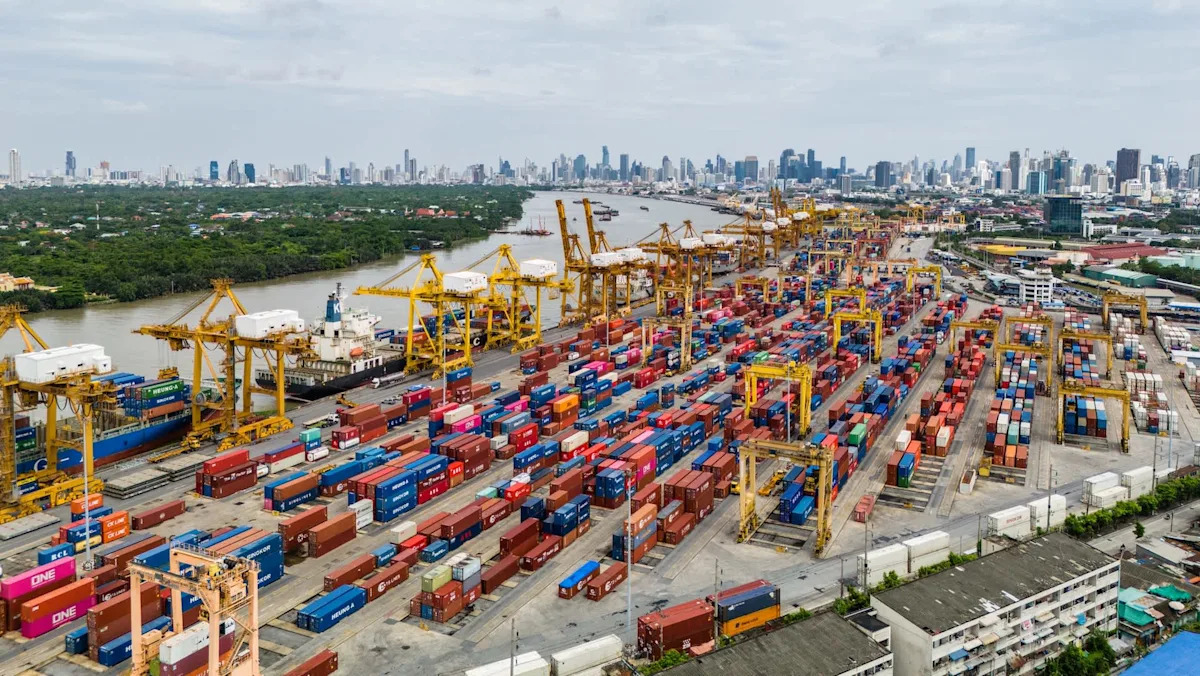
The Basel Action Network’s recent report details the horrifying amount of e-waste the U.S. has exported to other countries.
What’s happening?
BAN, a Portland-based environmental watchdog organization, released its report titled Brokers of Shame this past October. It noted that a majority of the U.S. sent a majority of the electronics to Southeast Asia, especially Malaysia.
The Associated Press stated that it was a two-year investigation of at least 10 U.S. companies. The combined value of the e-waste exported from 10 companies in that amount of time was $1 billion. Eight out of 10 companies also had certificates that ensured they recycled electronics safely and responsibly.
BAN called the over 10,000 40-foot shipping containers of discarded electronics a “hidden tsunami” of potential e-waste.
AP reached out to the 10 companies for comments. Only one company, Greenland Resource, stated that it was explicitly reviewing the issue internally. One company accused BAN of bias, another accused BAN of exaggeration, and six never responded.
Why is e-waste concerning?
The U.S. throws out many electronics every year. This collective action wastes money, endangers our health, and threatens our environment.
While this waste was collectively valued at $1 billion, that figure doesn’t take labor and time into account. Someone extracted the minerals for the electronics’ batteries. Someone assembled the electronics, and someone transported them.
Lithium batteries also take a lot of resources to extract the minerals to create new ones. It’s important to recycle these materials whenever possible to create less waste and reduce labor costs.
When electronics are improperly recycled, their contents can leach into our ecosystems and harm us. The report noted that heavy metals like lead and cadmium are linked to kidney damage. E-waste also generates tiny pieces of plastic called microplastics, which can cause inflammation and immune system damage.
BAN’s report stated, without mentioning specific companies, that this dumping happened as some companies actively greenwashed themselves. They hid behind sustainable buzzwords to make it look like they were acting in our environment’s best interest.
BAN stressed that recycling must happen intentionally, or it won’t have as much of a positive impact (if at all).
What’s being done about e-waste?
BAN had several suggestions for what many entities could do to ensure e-waste recycling and disposal happen properly.
The organization advocated for the U.S. to ratify the Basel Convention. It’s an international treaty that outlines how hazardous waste should be moved and disposed of.
If that doesn’t happen, BAN asked Congress to pass the Secure E-waste Export and Recycling Act. Rep. Adriano Espaillat introduced the bill along with Rep. Mario Díaz-Balart to the House earlier this year in April.
Other recommendations included reforming recycling certificate programs; reducing environmental, social, and governance greenwashing; and choosing responsible recyclers. You can help to reduce e-waste by selling your old electronics or otherwise disposing of them properly.

��
Get TCD’s free newsletters for easy tips to save more, waste less, and make smarter choices — and earn up to $5,000 toward clean upgrades in TCD’s exclusive Rewards Club.