
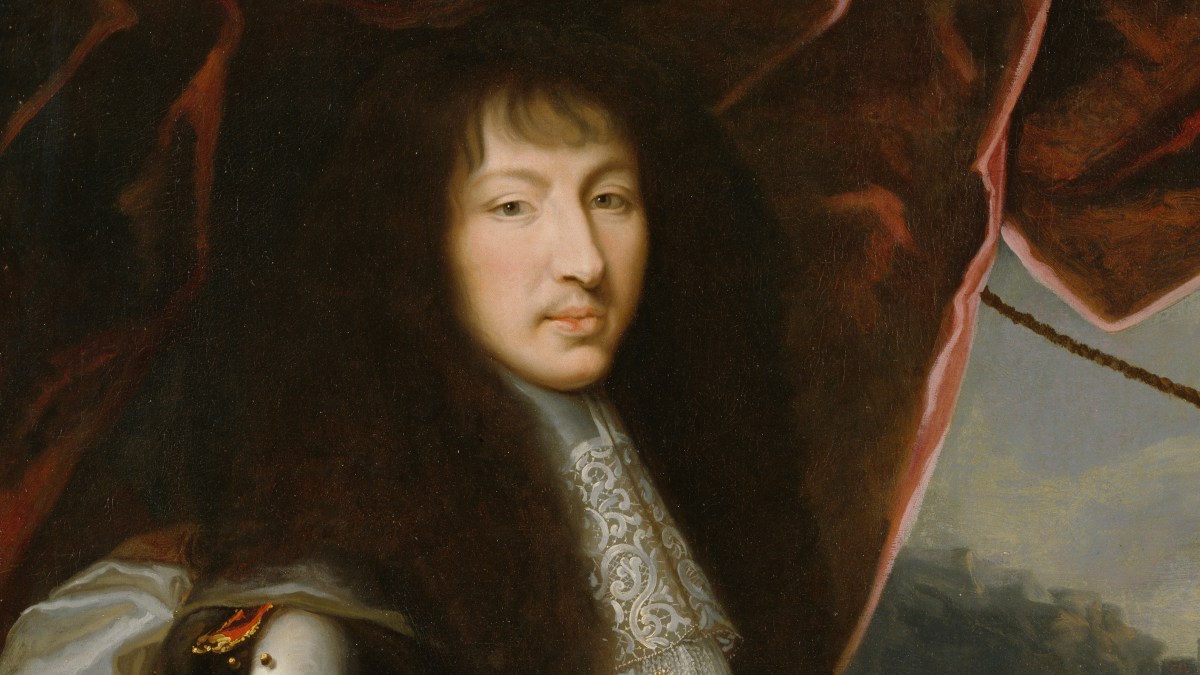
A sad hush fell over the royal palace of Versailles in August 1715, when doctors concluded that Louis XIV was suffering from gangrene. They had earlier thought sciatica or a lesser infection was causing the pain in the left leg of the Sun King as he neared his 77th birthday.
The flesh-rotting disease was a death sentence and, “without complaint, the king watched with firmness this spectacle of his own ruin”, the Duke of Saint-Simon, the court’s main chronicler, recorded.
Three centuries later, scientists have studied a fragment of the preserved heart of Europe’s longest-reigning monarch. They concluded that Louis’s death, after two weeks of agony, came not from the dreaded bacterial gangrene, but started with a chronic fungal skin disease called chromoblastomycosis.
A team led by Philippe Charlier, a pathologist who applies modern forensic methods to historical figures, was given approval for their research by Jean d’Orléans and Louis-Alphonse de Bourbon, the two descendants of Louis XIV who head the rival branches of France’s former royal family.
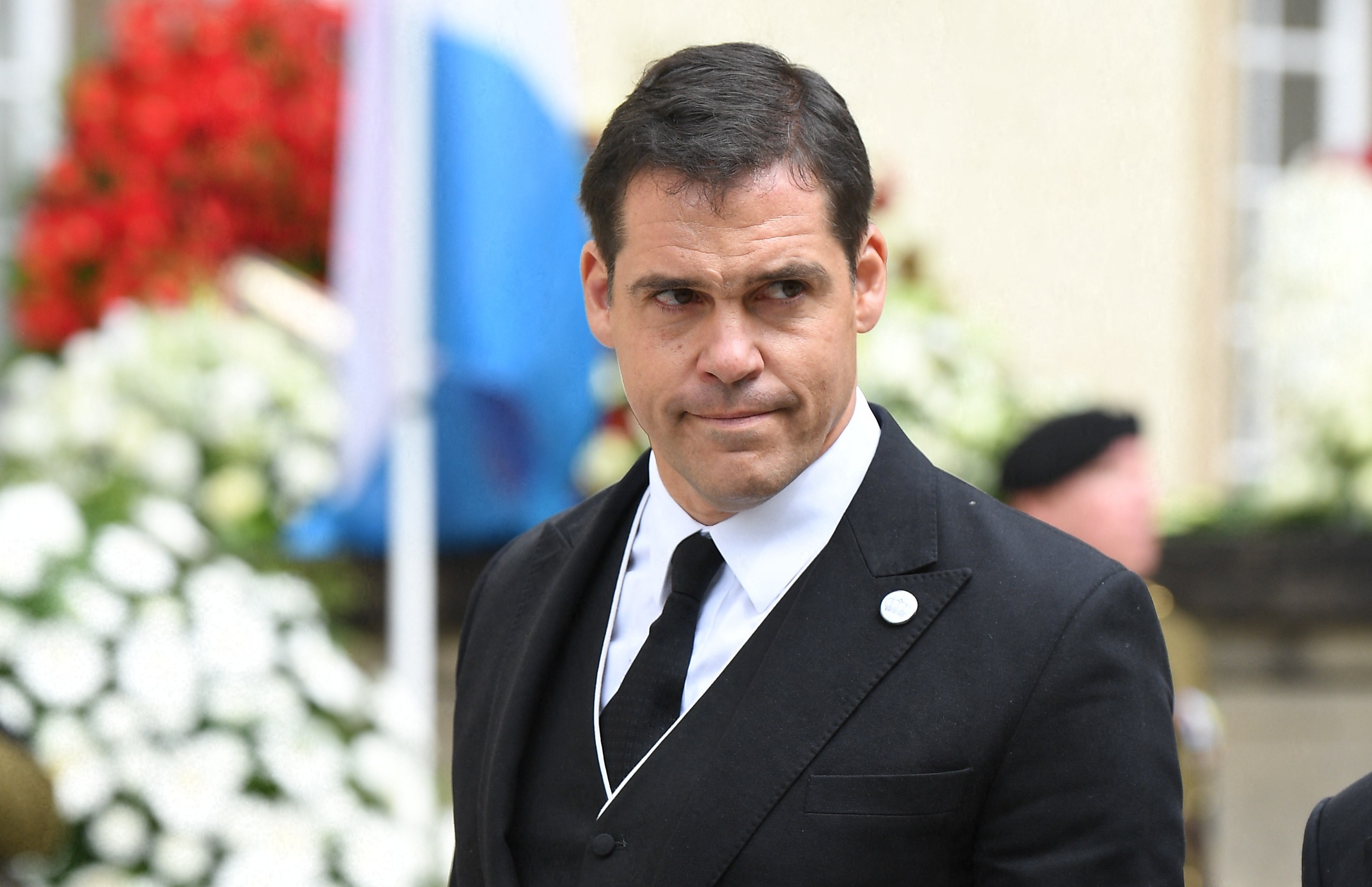
Louis-Alphonse de Bourbon
NIVIERE DAVID/ABACAPRESS.COM/SHUTTERSTOCK
Their high-tech analysis of a piece of the mummified heart, stored with other royal relics in the Basilica of Saint-Denis, found fungal material rather than the bacterial agents in gangrene.
“By analysing the blood residues that were still present around the heart, we realised that it wasn’t bacteria at all, but rather fungi,” Charlier said. This might have led to septicemia, blood poisoning, that killed the king, he said. The fungal skin disease, not known in the 18th century, is treatable, though with difficulty.
De Bourbon, who holds the courtesy title Duke of Anjou, said it was enlightening to have fresh details about his ancestor, the absolute monarch who laid down the centralised state and put his stamp on Europe. “The exact medical cause of his death is an additional element to understand the last moments of the sovereign, to be able to imagine whether he suffered or was able to pass away peacefully,” he told Le Parisien newspaper.
• Second-rate artist ground up Louis XIV’s heart to make paint
Accounts of the time spoke of the king’s fortitude in the face of his suffering. The Marquis de Dangeau, another court diarist, wrote: “His majesty listens unperturbed. He talks of death as a journey that he is waiting to take.”
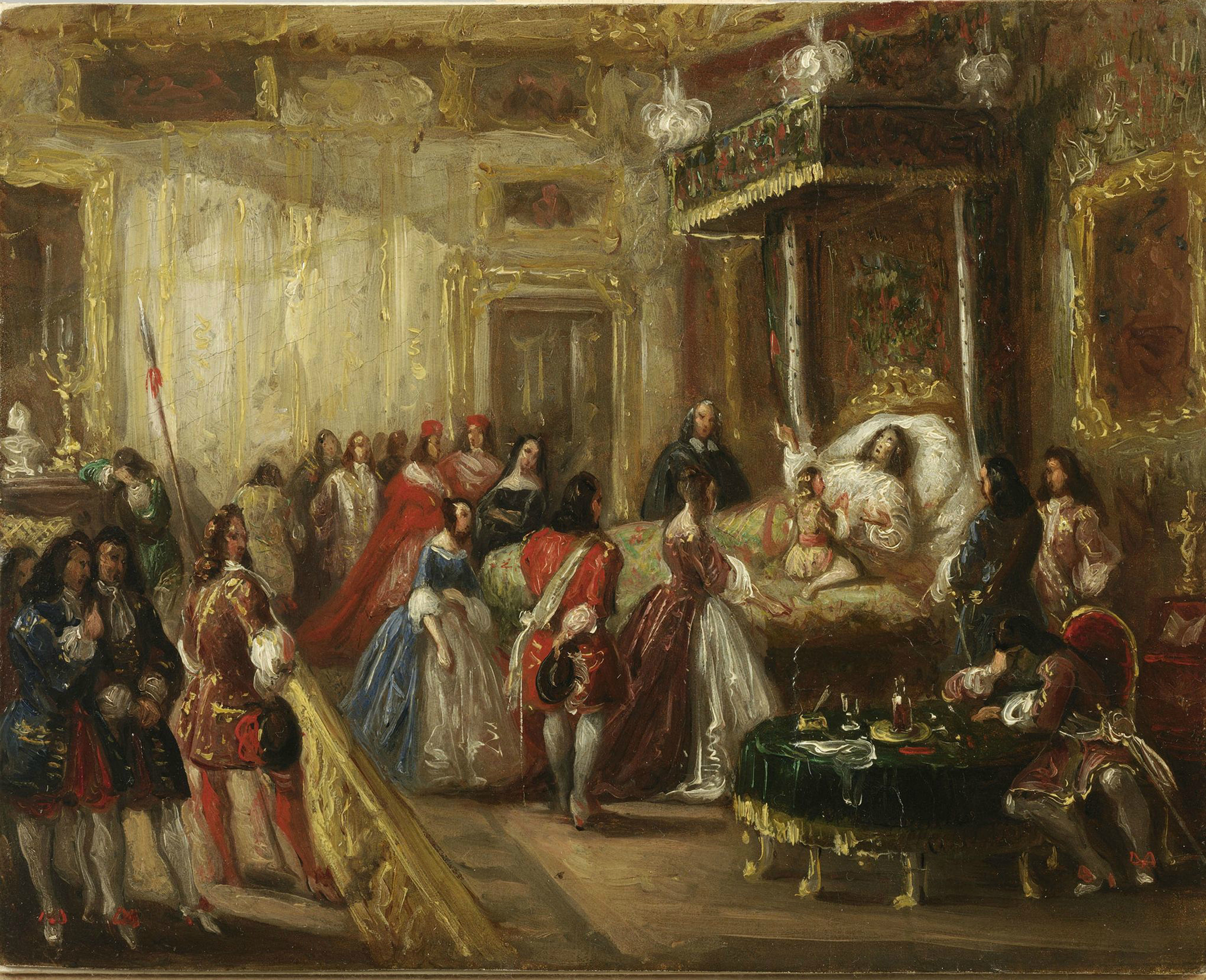
The death of Louis XIV, from the collection of Musée Antoine Lécuyer, Saint-Quentin
FINE ART IMAGES/HERITAGE IMAGES/GETTY IMAGES
Madame de Maintenon, the king’s mistress, adviser and secret wife, found him enfeebled, but “he retains that tranquil grandeur which has never left him”.
Charlier, a pioneer in the field of paleopathology, which combines imaging, microbiology and other techniques with archaeology on historical “cold cases”, has made a speciality of French royalty.
In 2010, he and his team identified a mummified head in a private collection to be that of the 16th-century king Henri IV. Their findings have been disputed by other experts.
His work is aimed at advancing forensic medicine, said Charlier, who is based at the University of Versailles Saint Quentin. “We are testing methods with archaeology which we go on to use in forensic medicine on bodies that are not well preserved. It’s as if Louis XIV was our guinea pig for improving our techniques of identification.”