
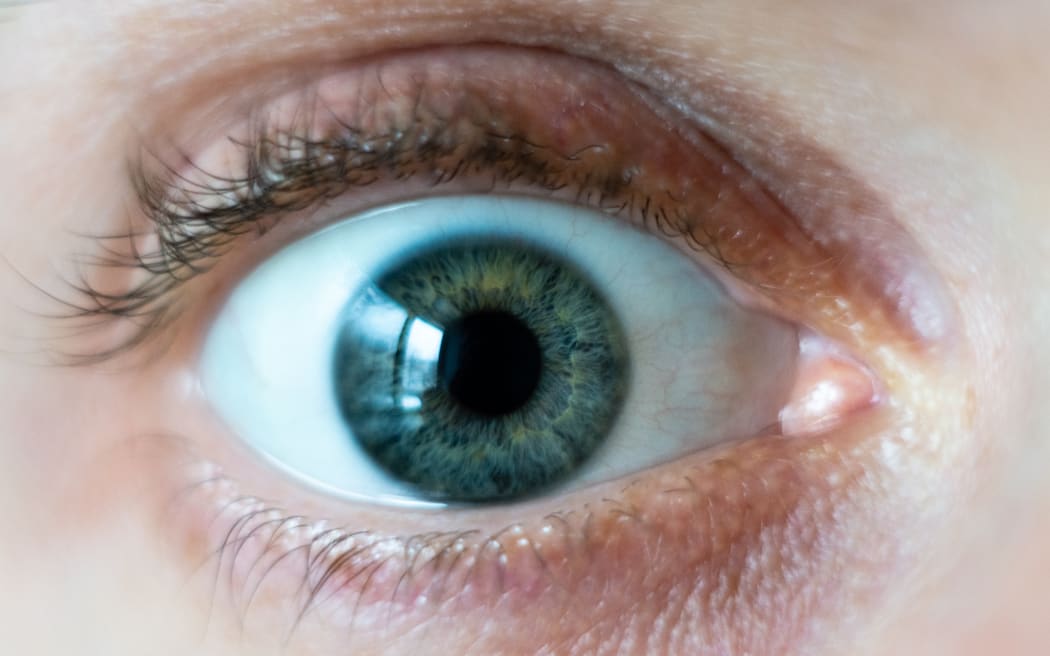
If things went wrong, the stem cells could turn into other cells – like for hair or teeth – instead of eyes.
Photo: 123RF
A University of Auckland team has made a breakthrough in using umbilical stem cells to treat an eye condition that can lead to blindness.
Professor Trevor Sherwin and his team have been using the cells to try to treat keratoconus, a disease of the cornea, the thin, clear dome on the front of the eye.
To be successful the stem cells had to be able to integrate into existing tissue before morphing into the right kind of cell. If things went wrong, they could turn into other cells – like for hair or teeth.
Sherwin told Nine to Noon that on Wednesday his team informed him of promising results – in lab tests on a donated, diseased cornea, the cells had started to create the right type of proteins.
For many people, corneal transplant was the only option to repair the eye if they developed keratoconus. Other treatments only slowed or stopped progress.
But there was a long wait list, and the tissue had to come from a deceased donor, he said.
The team was trying to find another way.
“Some people around the world are looking at how to grow a cornea in a dish as a replacement tissue for the lack of deceased donors etcetera. We’re taking a slightly different tack in that what we would really like to do is to be able to regenerate the cornea in situ, so, in the eye, in the person who needs the treatment.
“The way we would like to do that is to deliver some stem cells into the cornea and for those stem cells to integrate into the tissue and then regenerate that tissue in the patient themselves requiring no further surgery, hopefully.”
Keratoconus caused the cornea to become very thin and the cornea to develop a cone shape that meant the eye could not work how it was supposed to.
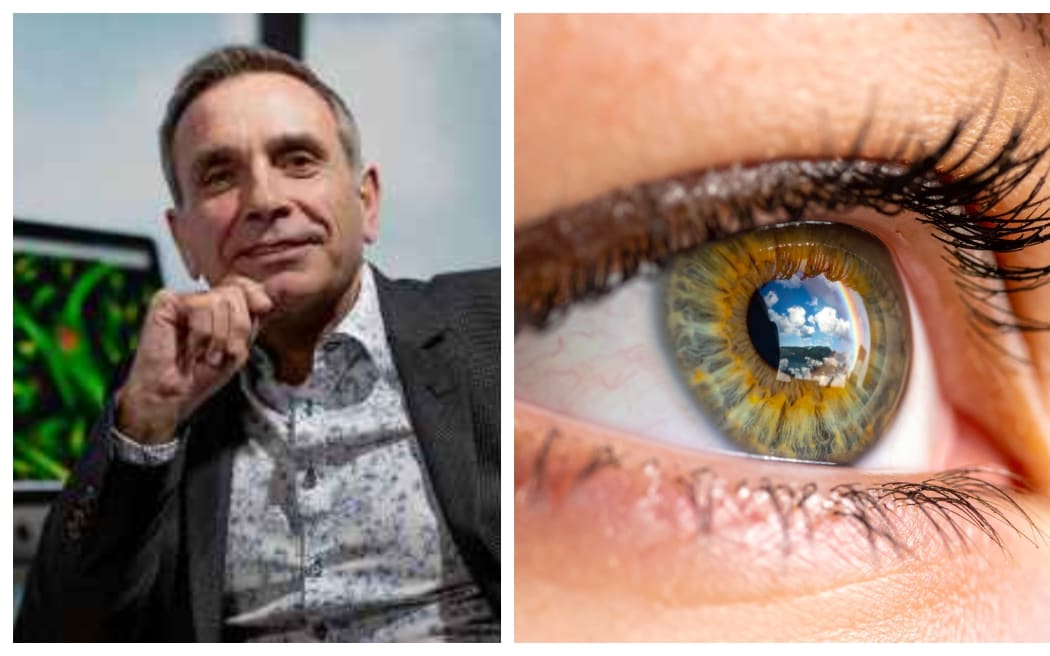
Professor Trevor Sherwin.
Photo: Supplied / 123rf
The team was also developing potentially groundbreaking eye drops for the condition.
Sherwin said they were a combination of a growth factor and a steroid, and had shown in the lab they could force cells to create a protein not usually made after birth.
It was hoped that, when used with a special type of contact lens, the eyedrops could treat and reshape the cornea.
Again, it would mean people would not need a transplant.
The next step in the work was to go to clinical trials on people.
There were other treatments for keratoconus, but they only stopped or slowed the damage. They could not repair it.
The new methods were known as regenerative medicine.
“What we hope is by regenerative medicine we can restore the tissue and restore the function back that the patient lost as part of whatever event they suffered,” Sherwin said.
Sign up for Ngā Pitopito Kōrero, a daily newsletter curated by our editors and delivered straight to your inbox every weekday.