
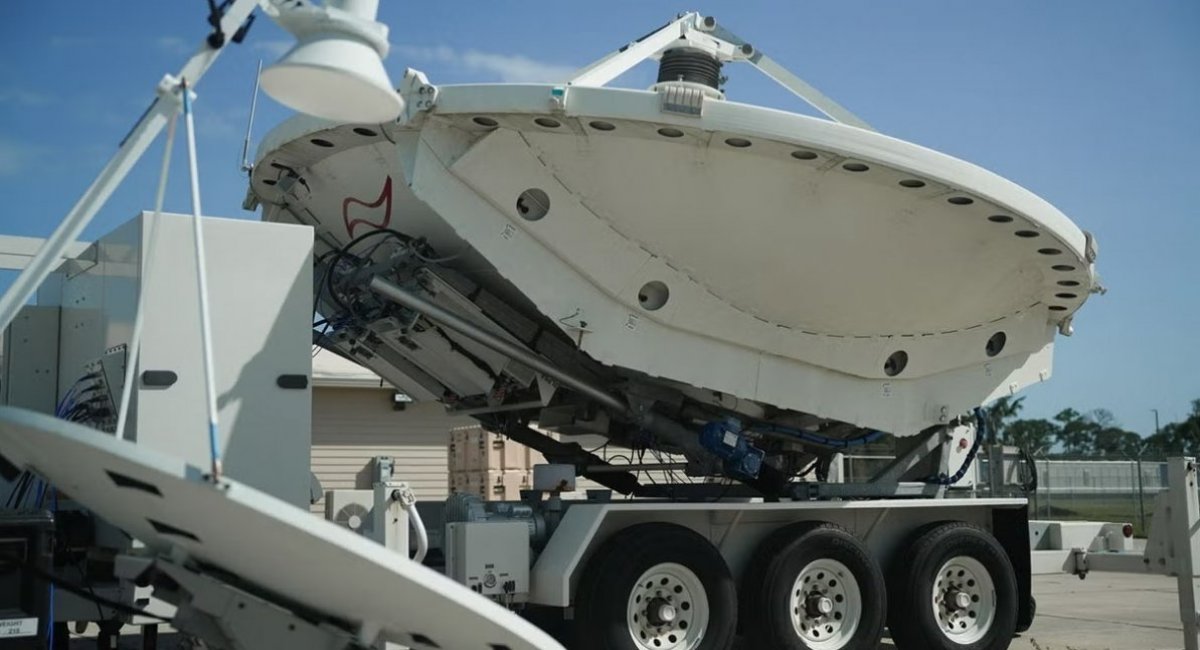
American L3Harris Technologies defense contractor has announced the delivery of the first serially produced Meadowlands anti-satellite electronic warfare system to the United States Space Force. The milestone, confirmed on December 11, marks a significant leap in U.S. capabilities amid intensifying global competition in space. The exact deployment location of the new system remains classified due to its strategic sensitivity.
The Meadowlands is a large, ground-based electronic warfare platform designed to disrupt adversary satellite communication. By generating extremely powerful radio-frequency interference, the system can sever data links between enemy satellites and their ground stations. In doing so, it directly undermines hostile reconnaissance, navigation, and communication capabilities during conflict.
Read more: Taurus Neo Engine Replacement Could Allow Ukraine to Obtain These Cruise Missiles
Compared to earlier Counter Communications System units fielded by the U.S. military, Meadowlands system offers a broader frequency range and substantially greater operational flexibility. It is also more mobile, allowing faster relocation to avoid detection or to support theaters where space-based threats are most acute. Its open-architecture design enables frequent software upgrades and integration of emerging technologies, a key priority as space becomes an increasingly contested domain.
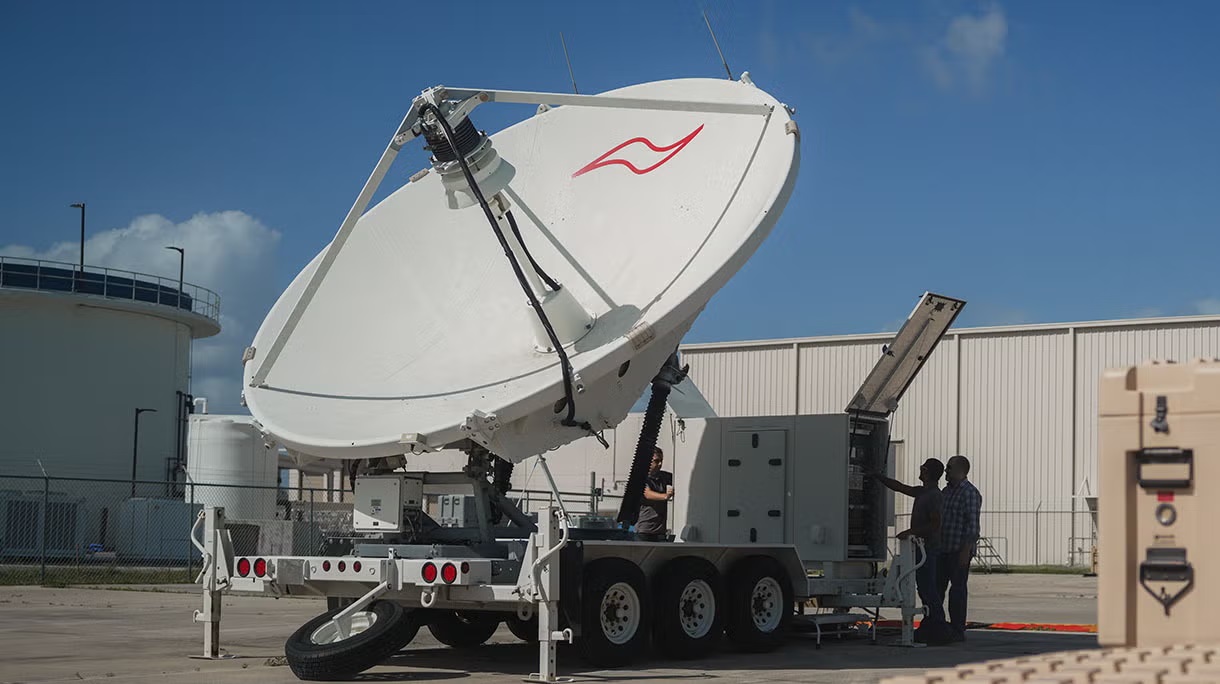 The Meadowlands anti-satellite electronic warfare system / Photo credit: L3Harris Technologies
Meadowlands system officially entered service with the Space Force in June 2025 for government testing. Just six months later, the first serial production unit is now being handed over, an unusually rapid timeline for a system of this scale. According to the Pentagon, the acceleration reflects urgent operational needs, as both China and russia are outpacing the United States in the militarization of space through aggressive behavior and rapid capability development.
One of the most striking examples occurred last year, when Chinese Shiyan-24C and Shijian-605 satellites demonstrated advanced maneuvering and interaction techniques. General Michael Guetlein, Deputy Chief of Space Operations, described the incident as a “fight in space”, emphasizing that China was actively practicing tactics and procedures for space-based offensive operations.
Recent assessments from the Center for Strategic and International Studies further illustrate China’s expanding capabilities. Over the past five years, China has nearly doubled its total satellite constellation, from 117 in 2019 to 267 in 2024. When counting only intelligence, surveillance, and reconnaissance satellites, the growth is even more dramatic: from 66 to 196, a nearly threefold increase.
Russia, too, has made its ambitions clear. In 2020, U.S. Space Command publicly confirmed that russia tested anti-satellite capabilities using the Kosmos-2543 satellite, which maneuvered in a manner consistent with space-based weapons tests. Such activities underscore the growing threat environment that the Space Force must prepare to counter.
Read more: AI Designs Drone Fuselage That Looks Like Skeleton, Weighs 45% Less Than Human Design