
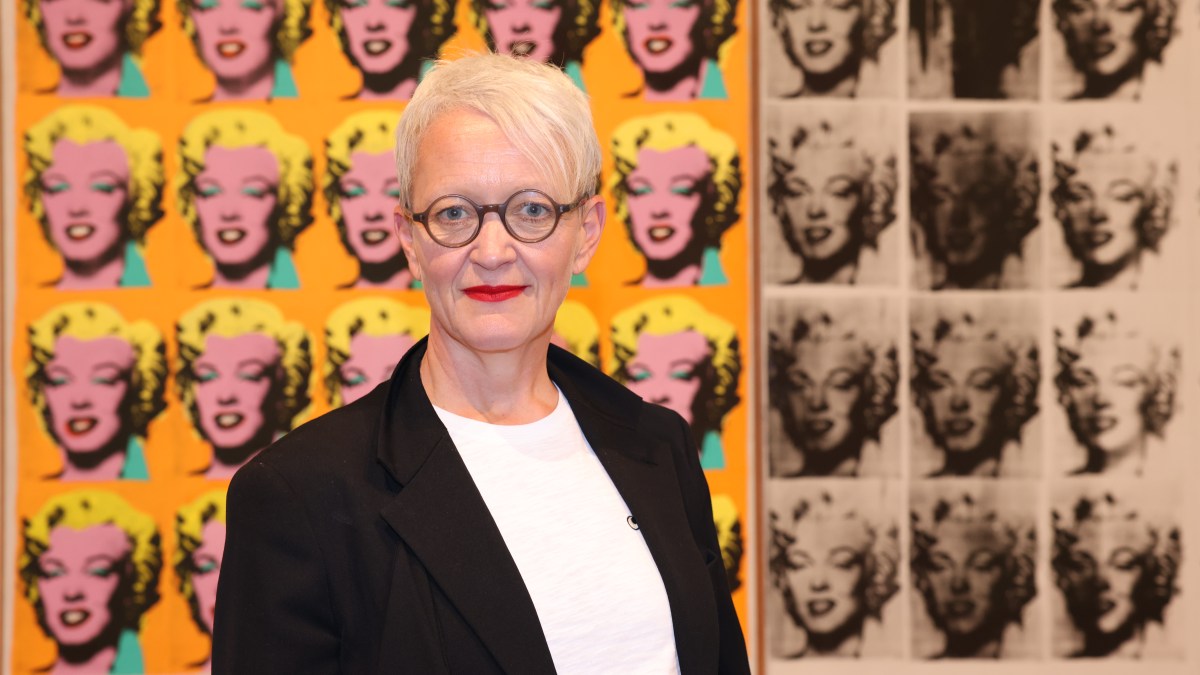
The director of Tate has surprisingly announced her departure after a turbulent year in which the organisation has lost visitors, money and begun facing up to the National Gallery planting its tanks on its lawns.
Maria Balshaw, 55, who has been director of Tate and its four galleries since 2017, said her final project would be curating next year’s career-spanning exhibition on Tracey Emin at Tate Modern.
• Female artists hit their peak in later life, says Tate director
Balshaw took over the key cultural post from Sir Nicholas Serota, now Arts Council England chairman, after he had held it for 29 years and wrought a revolution in how the nation viewed contemporary art, which was symbolised by the opening of Tate Modern.
The conversion of the disused power station into Britain’s prime exhibitor of contemporary art is one of the cultural success stories of the century, attracting about five million visitors annually.

Balshaw, who had previously held various posts in Manchester including director of the Whitworth Art Gallery, was praised as a “trailblazer” by the Tate chairman, Roland Rudd.
“She has never wavered from her core belief — that more people deserve to experience the full richness of art, and more artists deserve to be part of that story,” Rudd said.
“As the home of British art and of international modern and contemporary art, Tate today reflects the audiences we serve and the artists who make up our nation.”
Balshaw led the organisation — which includes Tate Modern, Tate Britain, Tate St Ives in Cornwall and Tate Liverpool — through the turbulent Covid years and has been praised for organising more exhibitions based on the work of hitherto overlooked female artists, including this year’s on Emily Kam Kngwarray.
• Emily Kam Kngwarray review — a stunning and belated debut
She also took a stand on the funding of the arts by fossil fuel companies, criticising the British Museum over its decision to sign a £50 million sponsorship deal with BP, and helped Tate to secure 150,000 members, the largest arts membership in the world.
The past 12 months have been tricky for Tate, however, with the organisation making job cuts, dealing with industrial disputes, and having to operate on a deficit budget.
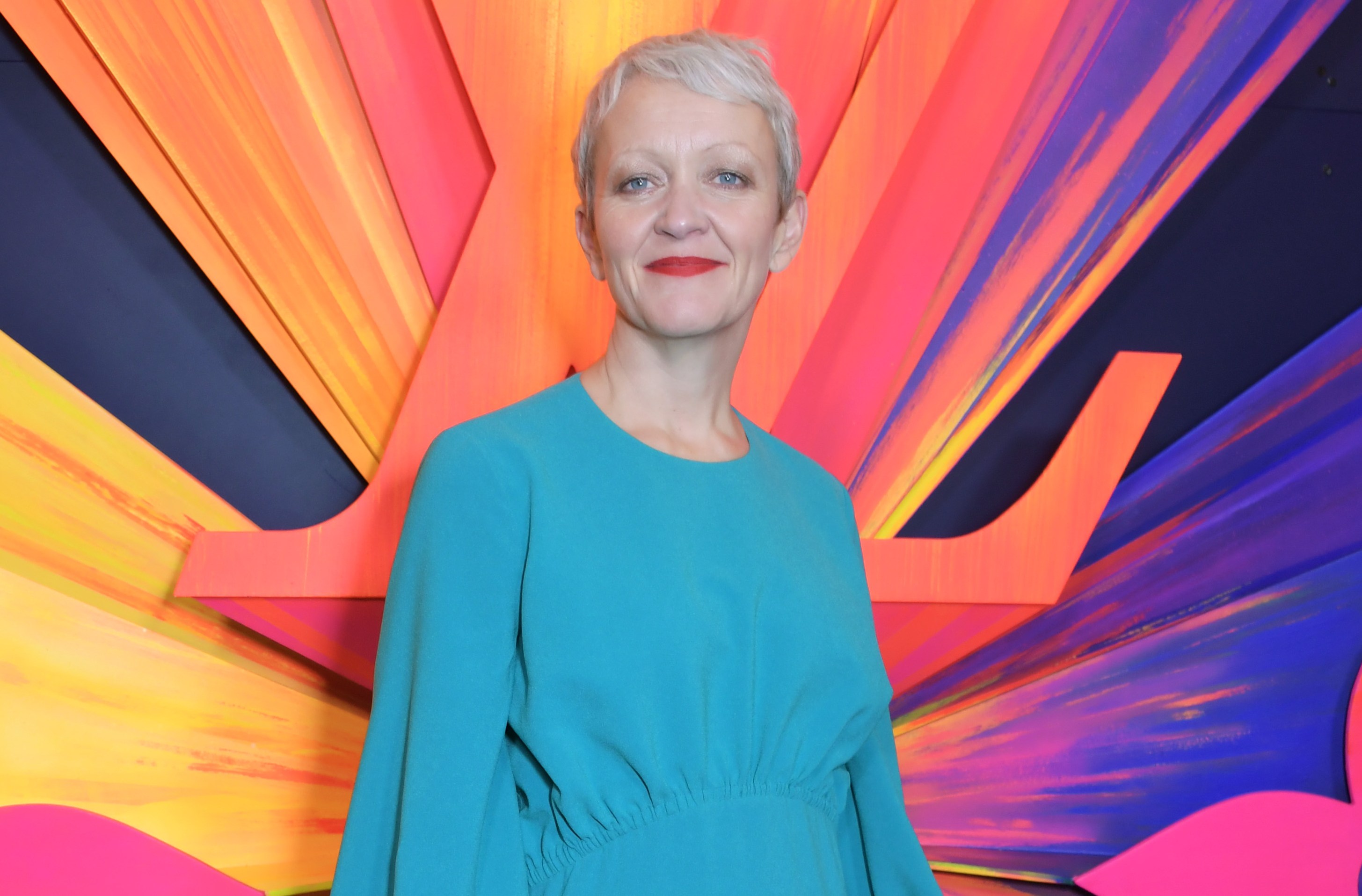
Balshaw’s final project will be Tracey Emin’s exhibition at Tate Modern
DAVID M. BENETT/DAVE BENETT/GETTY IMAGES
It has also seen a dramatic drop in visitors at its galleries with the organisation acknowledging a 20 per cent drop in numbers since its pre-Covid 2019 figure. It said this was almost all from a drop in international visitors.
Tate’s pre-eminence as the home of Britain’s national contemporary art collection is also facing a challenge after the National Gallery announced the tearing-up of an informal agreement that it would stick to collecting pre-20th century art, leaving the modern and contemporary fields to Tate.
• Nigerian Modernism, Tate Modern review — a fascinating whirlwind
Balshaw, who with her husband Nick Merriman, the former boss of the Horniman Museum and English Heritage, formed one of the country’s leading cultural power couples, said she felt the time was right “to pass on the baton”.
She said the next director would “take the organisation into its next decade of innovation and artistic leadership”.
“My greatest thrill has always been to work closely with artists, and so it is fitting that Tracey Emin’s exhibition at Tate Modern will be my final project at Tate,” Balshaw added.