
Napier’s daily water use was sitting at around 35 million litres.
A Hastings council spokesperson said water use across the twin cities was at “unsustainable levels”.
“With the hot and dry conditions, both councils are asking people to use water wisely, fairly and think about how water use impacts the whole community,” the spokesperson said.
“Water infrastructure – bores, pumps and reservoirs – have a fixed capacity, and during periods of high demand Napier and Hastings often reach their limits.”
The dry conditions have also increased the fire risk in the region.
Fire and Emergency New Zealand Hawke’s Bay acting district manager Tony Kelly said crews had responded to 15 vegetation fire callouts in the last 30 days in the Napier, Hastings and Tukituki East zones.
“Fireworks are well known for starting fires in these dry conditions, and we’ve seen them start in this zone in previous years. All it takes is one spark for a devastating wildfire to spread.”
During a prohibited fire season, no open fires are allowed and all fire permits are suspended. Anyone who wants to light an open-air fire must apply for a permit.
“I urge everyone to think carefully before they plan any kind of fire or apply for a fire permit,” Kelly said.
“Our job is to protect people, property and the environment and placing these restrictions will give us greater control over burning in our district.”
The Wairoa Inland, Tararua West and Tararua Central zones will also be moving into a restricted fire season today.
MetService meteorologist Devlin Lynden said Hawke’s Bay would definitely see some rain over the coming week.
“There will be a change in temperature as a front moves in with a south to southeasterly flow, keeping temperatures down,” Lynden said.
“The front will arrive on Tuesday, with some welcome showers in the evening.”
However, he said the front would move quickly to the east with perhaps a few showers in the afternoon on Wednesday, before a ridge of high pressure moves in for Thursday and Friday.
Water use under Level 3
Under level 3 restrictions, sprinklers and other automated watering systems are banned.
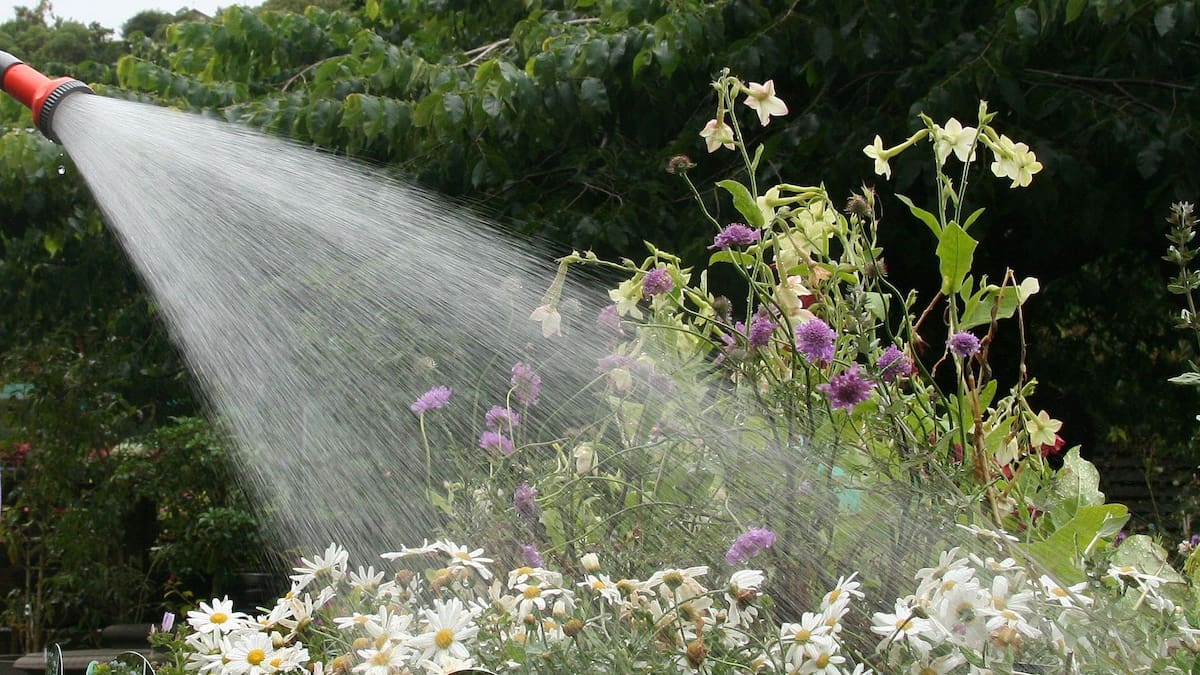
Hand-held hoses can be used on gardens between 6am and 8am in the morning and 7pm and 9pm in the evening on alternate days.
Hanging baskets, planter boxes, roundabouts and some areas of new plantings in public gardens will be sparingly watered every night at off-peak times, as will batting blocks on cricket pitches, which, for health and safety reasons, have to be watered.
Council gardening crews will start work earlier than usual to ensure essential watering is finished by 8am.
Facilities that have their own bores can continue using water, including Splash Planet (for irrigation), Tōmoana Showgrounds (for irrigation), some schools and public gardens, the racecourse and Hawke’s Bay Regional Sports Park.
Splash pads and water play features across both cities will continue to operate, as they turn off automatically when not in use.
Last week, Central Hawke’s Bay District Council moved Kairakau, one of its beach communities, into Level 4 water restrictions, meaning they need to restrict the flushing of their toilets.
Level 4 is the highest level of water restriction available to councils and means residents are unable to use dishwashers, top up pools or wash boats, cars and houses.
LDR is local body journalism co-funded by RNZ and NZ On Air.