
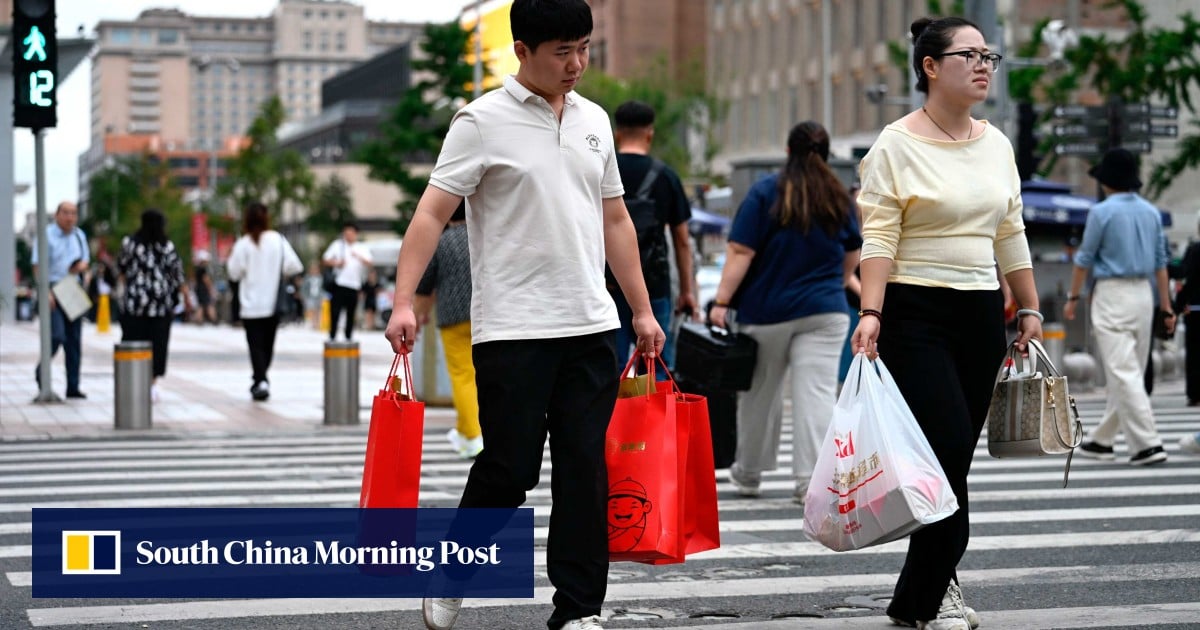
Hong Kong stocks fell by the most in three weeks on Monday after key economic data showed China’s slowdown extended into November, keeping investors on edge over the sustainability of a nearly 30 per cent market rally this year.
The Hang Seng Index closed 1.3 per cent lower at 25,628.88, its steepest drop since November 21. The Hang Seng Tech Index slumped 2.5 per cent. On the mainland, the CSI 300 Index and the Shanghai Composite Index both lost 0.6 per cent.
Drug makers led the declines as Hansoh Pharmaceutical Group slumped 7.6 per cent to HK$39.74 and Innovent Biologics tumbled 4.1 per cent to HK$81.75. Chinese search engine operator Baidu slid 5.8 per cent to HK$118.70 and short-video platform operator Kuaishou Technology declined 4.5 per cent to HK$64.45. Alibaba Group Holding fell 3.6 per cent to HK$148.60.
On the upside, Ping An Insurance Group advanced 2.4 per cent to HK$65.25 following a Morgan Stanley note that said the market was underestimating the insurer’s growth and profit potential. Hang Seng Bank rose 0.3 per cent to HK$153.50 as its shareholders are set to vote on a US$14 billion plan by parent HSBC Holdings to privatise the lender on January 8.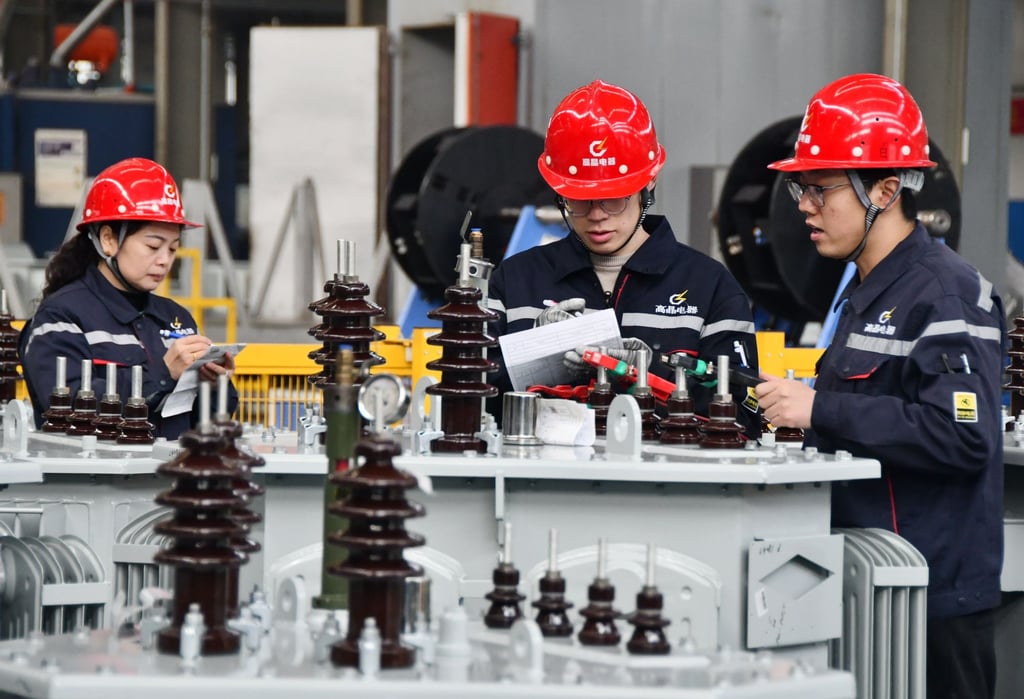 Workers assemble transformers at Hebei Gaojing Electrical Equipment’s factory in Handan, north China’s Hebei province. Photo: CFOTO/Future Publishing via Getty Images
China’s retail sales rose 1.3 per cent from a year ago in November, data from the National Bureau of Statistics showed. That was the weakest pace since December 2022, when China lifted all Covid-19-related restrictions. The figure also trailed a consensus estimate for a 2.9 per cent increase.
Industrial production climbed 4.8 per cent last month, while fixed-asset investment contracted 2.6 per cent in the January-to-November period. Both figures fell short of projections. A separate report by the bureau showed that the decline in home prices continued apace last month.