
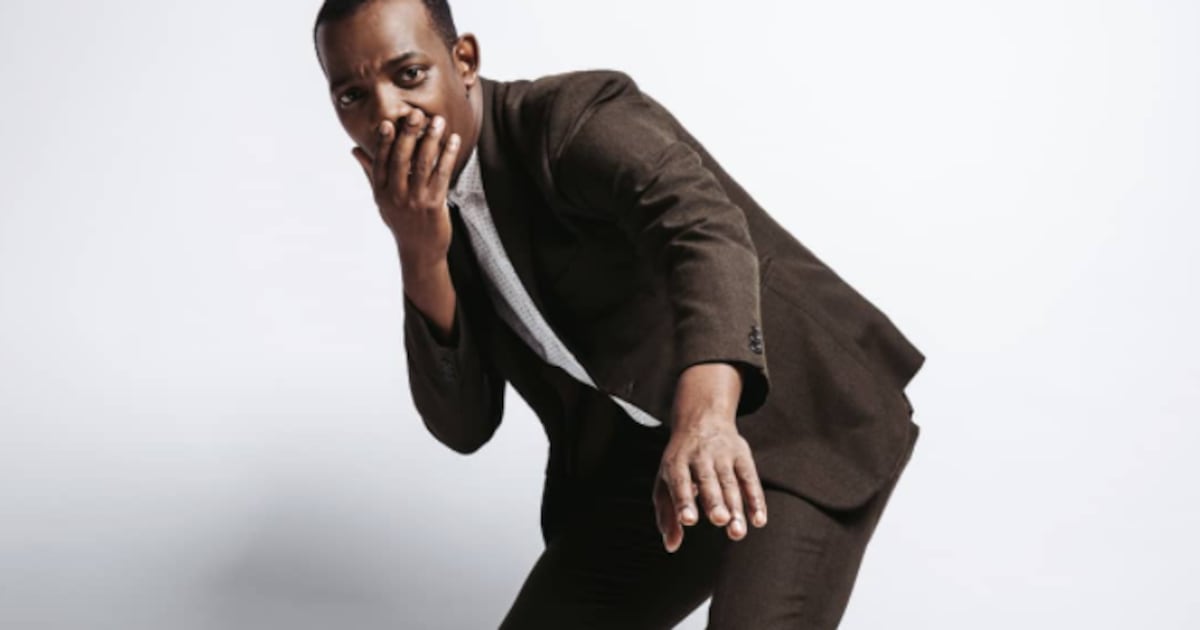
Zakes Bantwini has weighed in on the state of the South African Music Awards (Samas) following their 31st edition on Sunday.
The Grammy-winning DJ and producer penned an opinion piece speaking on the impact the award ceremony has had in the entertainment industry over the years and lamenting how that has slowly deteriorated.
“I remember when the Samas meant the whole country stopped. Not just musicians; everyone — politicians, business people, athletes, teachers, families. Everyone gathered around their TVs. The Samas weren’t just an industry event; they were a South African event. The cultural weight of that night was massive. Think about what the Grammys mean in America — that’s what the Samas used to be for us,” Zakes wrote.
“Now? Yesterday came and went. Barely a mention on social media. Artists weren’t there. Fans didn’t care. All that energy that used to exist around this event — the red carpet, the interviews, the collaborations, the conversations — the next day, it’s gone. We’ve let the Samas shrink from something the whole nation cared about to something most people don’t even notice.”
Local awards are now overshadowed by global recognition of South African musicians, he said.
“We get more excited about global recognition than we do about our own awards. South African fans wait for the world to tell them who their best artists are before they take notice.
Risa needs to rebuild trust. That means accountability, transparency and a real commitment to recognising excellence wherever it comes from
— Zakes Bantwini
“I’m not saying international validation isn’t important; it is. Competing globally means you’re meeting world-class standards. But we can’t let chasing international recognition make us forget about our own institutions. When we do that, we’re saying our own people’s validation doesn’t matter as much. We’re teaching the next generation that you only matter if you get recognised overseas first.”
Zakes called out the judges for awarding artists whose relevance is questionable, and the Recording Industry of South Africa (Risa) for failing to lead the reform.
“This industry has given me everything — my career, my platform, my life. That’s why I won’t stop talking about what needs to change. Risa needs to make the judging process transparent. They need panels with diverse voices, not just the same gatekeepers but people who are actually in touch with what’s happening: young curators, regional representatives, specialists across different genres.
“Risa needs to rebuild trust. That means accountability, transparency and a real commitment to recognising excellence wherever it comes from.
“It’s a lot of work but it’s not impossible. Other countries have reformed their music awards to better reflect what’s actually happening. We can do the same. But it takes leadership with vision and the guts to make real changes; not just surface-level adjustments.”