
A new generation of robot-driven jobs could soon reshape how work is done. The shift ties back to the push for large-scale manufacturing growth to support artificial intelligence, according to Nvidia (NASDAQ:NVDA) CEO Jensen Huang.
“We want to re-industrialize the United States. We need to be back in manufacturing,” Huang said recently on “The Joe Rogan Experience” podcast. He also said Americans do not need PhDs or elite credentials to succeed, emphasizing that manufacturing underpins AI companies like Nvidia and strengthens long-term job creation.
Don’t Miss:
Huang told host Joe Rogan the country cannot build chip facilities, data centers, or supercomputing sites without reviving the trades that support them. He said as a result construction and electrical roles remain central to expanding national AI capacity.
He said U.S. President Donald Trump’s pro-growth energy direction allowed factories for AI, chips, and supercomputers to be built at scale. Without that foundation, Huang said construction and electrician jobs would be “challenged,” slowing the critical infrastructure development needed for AI progress.
Trending: Deloitte’s #1 Fastest-Growing Software Company Lets Users Earn Money Just by Scrolling — Accredited Investors Can Still Get In at $0.50/Share.
Workforce shortages are rising in sectors critical to U.S. resilience, including manufacturing, AI and cybersecurity, according to a report by JPMorgan Chase & Co. (NYSE:JPM).
It also said technology workforce needs are projected to grow twice as fast as the overall labor market. Manufacturing may require 3.8 million new employees by 2033, with about half of those jobs at risk of remaining unfilled.
At the same time, the National Association of Manufacturers says there were nearly 13 million manufacturing workers in September, with employment slipping by 6,000 from August as the sector moves back toward pre-pandemic levels.
Huang told Rogan industrial work is indispensable because every AI breakthrough depends on physical systems that must be built, powered, and maintained. He said energy growth drives industrial growth, and that expansion drives job creation. Without that chain, he said prosperity weakens and national competitiveness declines.
See Also: GM-Backed EnergyX Is Solving the Lithium Supply Crisis — Invest Before They Scale Global Production
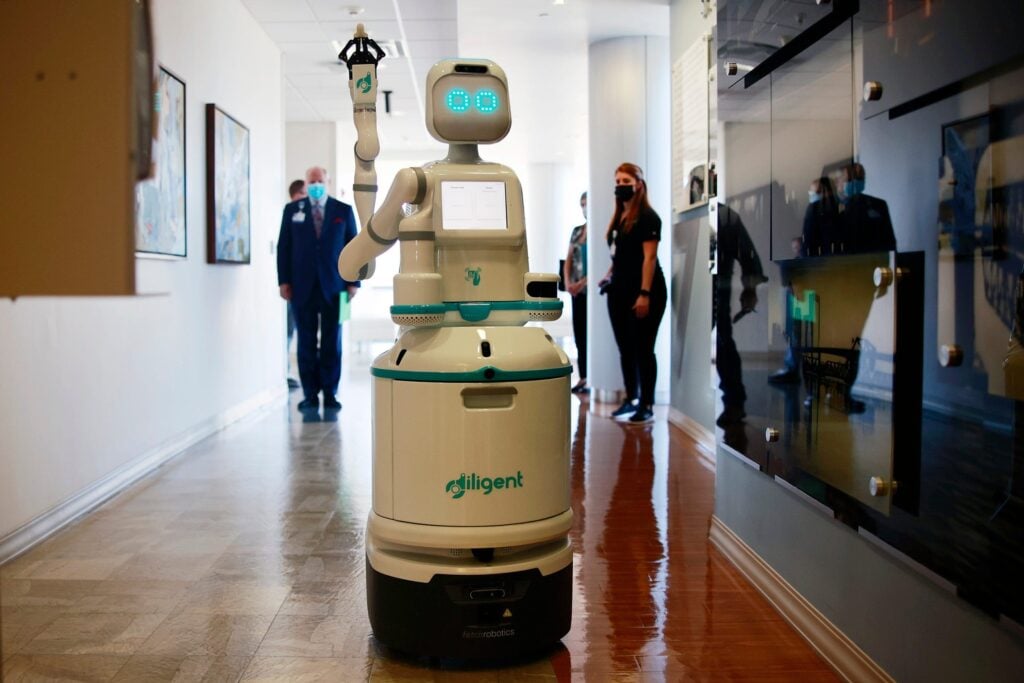
In addition, Huang said robotics will generate new industries that do not exist today. He pointed to Tesla (NASDAQ:TSLA) CEO Elon Musk, who has said Tesla aims to use Optimus humanoid robots for internal tasks in its factories and eventually make them available to other companies.