
The German economy has been on an emotional roller-coaster ride this year, swinging from optimism to pessimism, culminating in policymakers finally acknowledging – after years of denial – that the era of good times is truly over.
After the U-turn on fiscal stimulus and the new government coalition agreement, optimism returned to Germany, only to enter a new phase of national depression in the second half of the year due to doubts about creative budget accounting and a clear lack of structural reforms. Since the end of 2022, there have been only two quarters in which the economy actually grew.
Still, this dreadful economic performance has at least one upside: at the end of the year, everyone seems to have finally understood that Germany’s economic problems are not just a fatal concatenation of unfortunate circumstances but rather the result of years of underinvestment, a lack of structural reforms and the rise of China from export destination to system rival. US tariffs and the stronger euro exchange have only aggravated the problems, but are not the root cause.
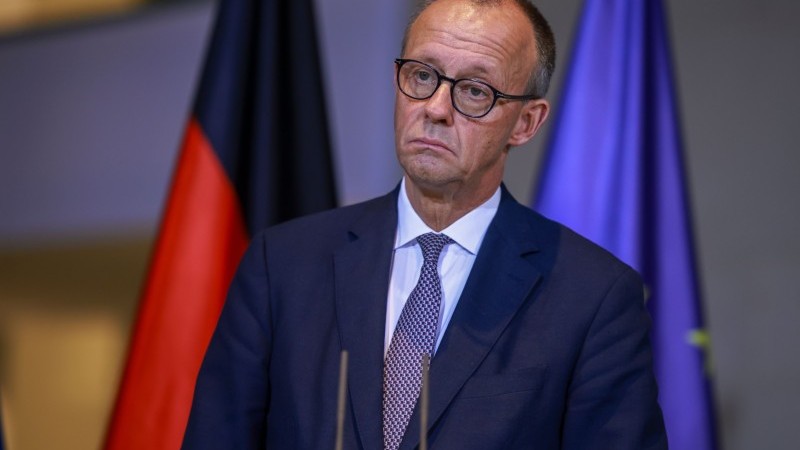
The new government’s decision to ramp up infrastructure and defence investments is only the start. To some extent, these investments, together with the recently announced subsidies for industrial energy prices, are a bare minimum to restore competitiveness. More is needed. Whether it is the well-known reduction of red tape, the introduction of e-government, mastering and lowering the financial burden of demographics or tax cuts, the “to-do” list for German Chancellor Friedrich Merz and his government is probably longer than an average child’s Christmas wish list.