
“Some PSGEs emphasise that challenges are not minor, and that their experiences indicate systemic issues that require more than incremental adjustments,” the report says.
“In some cases, PSGEs described feeling forced to repeatedly remind Crown agencies, or even litigate, to have commitments met – despite lacking the resources to continually enforce what was agreed.”
One PSGE reported deep frustration at delays and unmet commitments, noting economic and cultural impacts.
The entity described how delays in receiving title blocked participation in a joint venture and prevented use of the whenua (land) and limited access to security.
Several PSGEs questioned whether public organisations have a clear understanding of their settlement commitments and agency responsibilities.
One PSGE told researchers: “If the Crown was to be graded on its performance of the settlement intent following the Crown apology, it would receive an F. The Crown has lost the wairua [spirit] of the settlement.”
The report shows improvements against some metrics. As of July 1, 83.3% of commitments were either complete or on track, compared with 76.7% the previous year. The number of delivery issues has reduced from 4.9% to 3.5%.
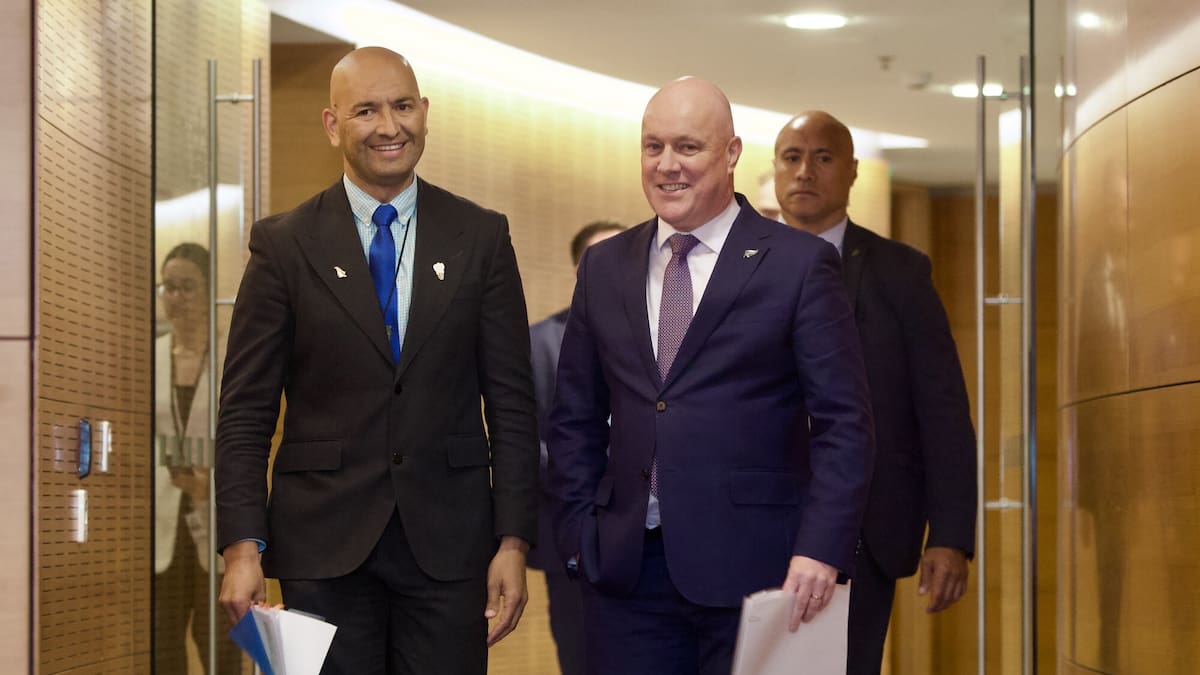
Māori Crown Relations Minister Tama Potaka said the report showed encouraging progress but “there was still work to do” to improve the Crown’s Treaty relationships and “ensure timely delivery of our commitments”.
“Strong Treaty relationships are built on trust and partnership. This report helps keep those priorities front of mind for every agency,” Potaka said.
“Looking ahead, I will be closely monitoring progress made by agencies to strengthen post-settlement relationships with PSGEs, and to ensure timely delivery on commitments.”
Julia Gabel is a Wellington-based political reporter. She joined the Herald in 2020 and has most recently focused on data journalism.