
“It’s appalling that anyone with half a brain would be able to walk into one of Latin America’s most important museums and steal a Picasso.”
So spluttered a disbelieving Brazilian auction house director after thieves used a car jack and crowbar to break into the Art Museum of Sao Paulo via the front door.
Before dawn on December 20, 2007, three men entered the country’s leading art museum while security guards were changing shift.
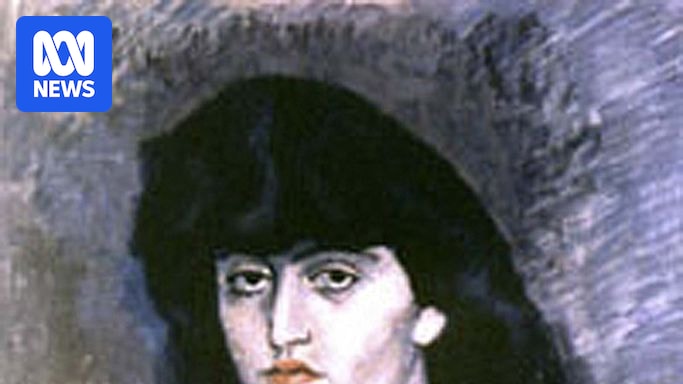
In under four minutes, they made off with Pablo Picasso’s 1904 Portrait of Suzanne Bloch and The Coffee Worker, by Brazilian painter Candido Portinari.
Painted during the Spanish artist’s “blue period”, the depiction of surly-looking singer Bloch was valued at US$50 million at the time of the robbery.
Neither painting was insured and the museum had no alarm system. The lax security sparked outrage in the art world and it was revealed that most of the museum’s collection was uninsured.
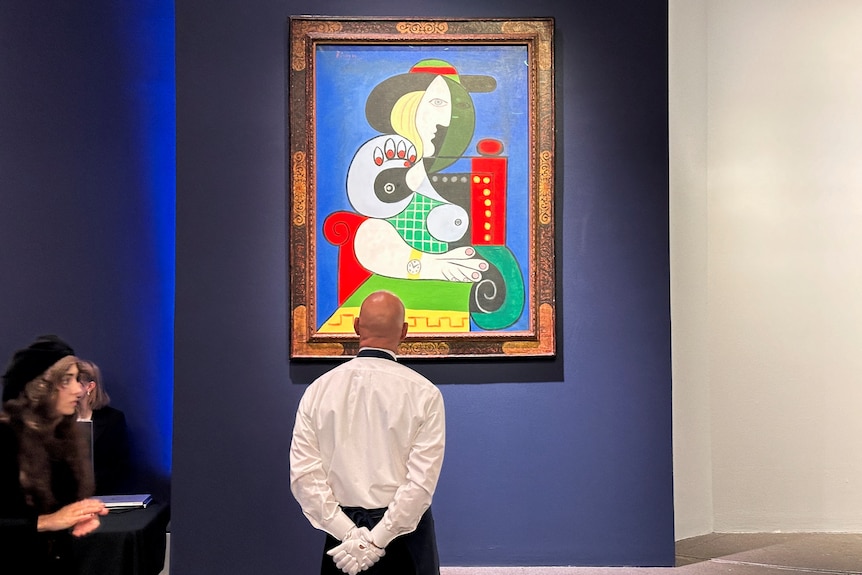
Picasso is considered one of the most important artists of the 20th century. He was also prolific, which has led to a huge amount of his works being stolen. (Reuters: Ben Kellerman)
Luckily for the museum’s management, the thieves — who hadn’t bothered wearing masks and were captured on CCTV — were apprehended a few weeks later.
The paintings were discovered leaning against a house on the outskirts of Sao Paulo and were escorted back to the museum in a police motorcade with a helicopter hovering above.
The museum’s president then announced he planned to install security equipment similar to that used by The Louvre in Paris; a less reassuring statement than it might have seemed in 2007, given the recent Louvre jewel heist by four thieves with a crane.
Not the first, or last, stolen Picasso
The 2007 Brazilian heist was not the last time a nimble thief would target a Picasso. And as many Melburnians know, it certainly wasn’t the first.
“We have stolen the Picasso from the National Gallery,” read a ransom note, addressed to Victoria’s then arts minister, Race Mathews, in 1986 after The Weeping Woman was taken from The National Gallery of Victoria.
Purchased a year earlier for $1.6 million, the painting was widely considered one of the gallery’s most important acquisitions. But not everyone was happy with the attention given to a dead, international artist.
A group called the Australian Cultural Terrorists claimed responsibility for the theft, which they said “involved less risk than shoplifting cotton hankies from David Jones”.
The group demanded an increase in arts funding and the establishment of an art prize (to be called “The Picasso Ransom”) for young artists.
After a media frenzy, The Weeping Woman was eventually found in a locker at Spencer Street (now Southern Cross) train station. The identity of the thieves remains unknown.
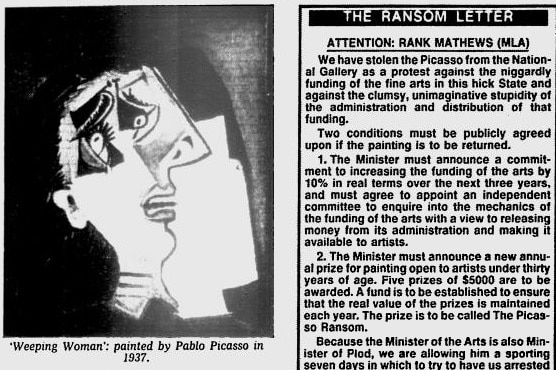
The Weeping Woman ransom letter was published in The Age in 1986. (Google Archives)
The Australian Cultural Terrorist’s motivation might have been unique, but holding a gallery ransom is a common reason for stealing famous artworks, given they are near impossible to sell and fetch a fraction of their value. Still, there are countless examples of thieves making off with a Picasso.
Picasso’s Pidgeon with Peas was among five paintings stolen from Paris’s Musee d’Art Moderne in 2010. A thief nicknamed “spider-man” claimed to have dumped the cubist painting in the trash when he went on trial in 2017. But authorities believe the painting, valued at $23 million euros, was smuggled out of France. It’s whereabouts remains unknown.
In 2012 Picasso paintings were stolen from museums in Greece and The Netherlands. Picasso’s artworks have also been stolen from museums in the UK, Switzerland and Sweden as well as from private collections.
In fact, according to the Art Loss Register, Picasso is the artist with the most stolen work. Not what he had in mind when he apparently said: “Good artists borrow, great artists steal”.