
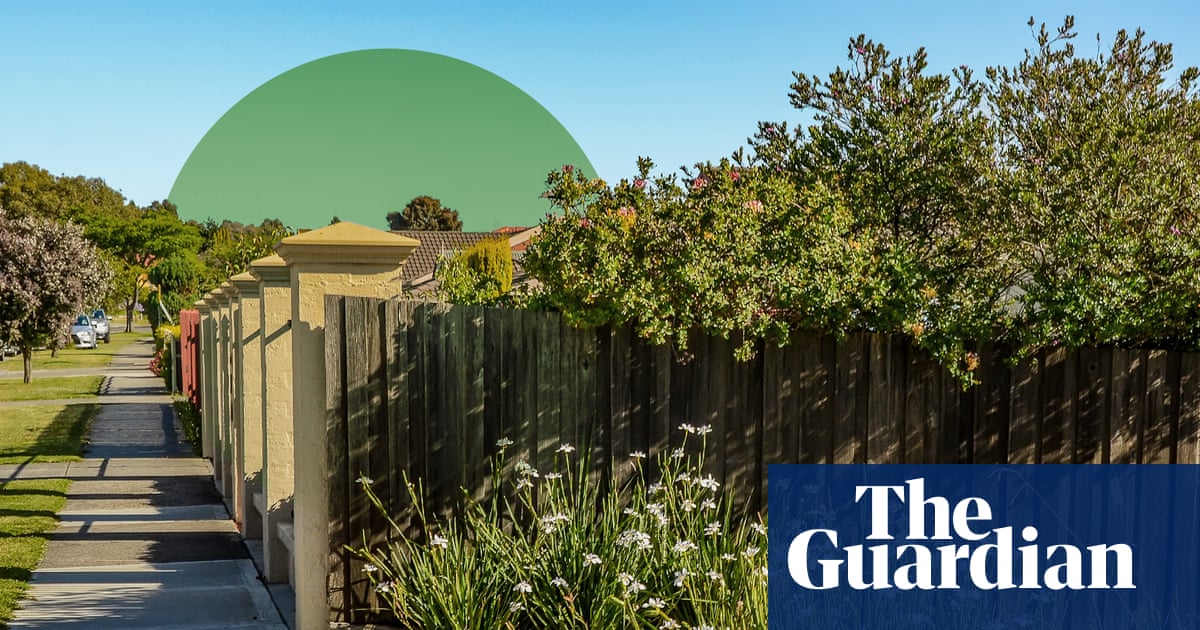
At the end of our street, in an east coast city, is a huge park that’s easy to miss. Wedged in a valley between dead-end streets, its tall trees and fern-lined creek are a haven for native wildlife – and kids – especially on hot summer days.
Yet pockets of remnant bushland like this are a rarity in Australia’s rapidly growing cities.
Instead, some of the most common green spaces in cities harbouring native species are actually places we can be quick to disregard: narrow strips of vegetation along roadsides, beside railways or under powerlines; and small shrubs or trees near carparks or behind shops.
These unlikely places, along with verge gardens, back yards and balconies, can become critical habitats for the nearly 400 threatened species that reside in Australian cities and urban areas, says Dr Kylie Soanes, a conservation biologist at the University of Melbourne.
“They can turn a suburb from being somewhere that’s hostile for nature to somewhere completely livable,” Soanes says. Each patch is important by itself, perhaps offering a species food, shelter or water – “but when you bring it all together, that’s what makes that landscape a habitat”, Soanes says.
Research shows that endangered mammals, such as the southern brown bandicoot, happily reside in pockets of seemingly disused vegetation, while numerous small patches of greenery can support a greater richness of threatened species than a few larger reserves.
So how can we create more of these green spaces in cities and enhance existing ones, to help more native species survive and bring nature back into urban lives?
Learn from local knowledge
It starts by getting to know your local area and paying attention to the other species we live alongside, Soanes says.
Cities are extraordinarily biodiverse places. Finding out more about the plants and animals – that might only exist in your neighbourhood or town – is a great way to begin.
Council websites often list local environmental groups that work in the area and are mostly run by volunteers who know the landscape, take pride in their local species and are always looking for more helpers to plant, weed and measure local biodiversity.
Local nurseries and plant guides are also good sources of information about what native species grow well in your area. But bear in mind urban soils often differ from natural environments. They may be heavily compacted, making them hard to work with, Soanes says, so loosening soils and mulching before planting can help.
Whether you’re working with a local Landcare group at a nearby reserve or in your own back yard, Soanes says it’s also helpful to recognise that restoring an ecosystem might not be possible. “‘How can I make this place better for nature?’ is sometimes a more useful goal” than trying to recreate a previous ecosystem, she says.
Improve shared spaces
If your outdoor space is limited, you can still support native wildlife with a few small additions. “Don’t underestimate the power of a pot of native plants and a birdbath,” Soanes says. “Having those [food and] water sources through urban environments are really critical.”
Installing nest boxes high up in trees can also attract native species, giving them a safe hide-out and place to breed. Birds, sugar gliders and microbats that eat half their weight in insects every night might become your neighbours.
Street-side gardens are another way of enhancing urban biodiversity. Replacing mown lawn with native plants also saves water, cools suburbs and allows species to move through urban areas.
For instance, the Melbourne Pollinator Corridor, a community-led initiative stitching together street gardens across four suburbs with the goal of connecting Melbourne’s Royal Botanic Gardens and Westgate Park, has so far transformed about 1,800 sq m of public land into bushes buzzing with native insects, including blue-banded bees.
These green spaces can be low maintenance, with the right plants. Researchers at the University of Melbourne have developed a “plant palette” and tested pruning techniques to create guidelines on how to plant woody meadows – plots of native groundcover, hardy shrubs and small trees planted in such a way that excludes weeds and promotes flowering.
The guidelines have been used by government agencies, developers and councils to transform at least 59 roadsides, roundabouts, train stations and railway sidings.
While these spaces are typically managed by local councils and agencies, Soanes says councils tend to act on feedback they receive from residents voicing their support of and desire for more green spaces in cities.
However, there may be good reason why a space isn’t suitable for native plantings, so Soanes says eager green thumbs should talk to their council first about potential urban greening sites. “Find a solution together for what will work in that space,” she says.
Make new connections
Local communities, organisations and landholders have also banded together to amplify the benefits of their bush regeneration efforts in regional areas.
One initiative aims to link up bush regeneration sites to create safe corridors for sugar gliders in the Great Eastern Ranges, which stretch from Queensland to Victoria. These “glideways” reconnect fragmented forest habitats so gliders can move through the landscape, bolstering their population health and capacity to recover from events such as bushfires.
Working as part of a bigger collective can be an antidote, Soanes says, to feeling like efforts to regenerate small pockets of bushland are futile when deforestation continues. “That’s a really powerful thing … to be able to show people, ‘Here’s what you can do in your spot that will make a difference.’”