
The proposed subdivision plan of Homestead Bay. Image / Supplied
Residents warned that the scale of the development, which would be one of the largest greenfield subdivisions ever approved in the district, would significantly change the character of the area.
Some submitters argued the proposed density was inconsistent with nearby neighbourhoods such as Jacks Point, which has largely developed at lower densities, and said the use of superlots created uncertainty about the ultimate scale of development.
Infrastructure capacity was a major concern, with residents pointing to increased traffic on State Highway 6, the timing of a proposed southern corridor spine road, pressure on water, wastewater and stormwater systems, and construction impacts over a project expected to be staged across up to 19 subdivision stages.
Wastewater disposal was one of the most contentious issues.
The project includes a standalone wastewater treatment and land disposal system, raising concerns about long-term environmental risks near Lake Wakatipu.
Kā Rūnaka raised objections to the cultural effects of wastewater discharges, saying impacts on the mauri of the lake could not be fully mitigated, even if environmental standards were met.
Residents also raised concerns about the loss of wetlands, visual impacts from large-scale earthworks, and the cumulative effect of multiple large developments planned for the southern corridor.
Ōraka residents sought larger landscape buffers and building height restrictions along their boundary with the site, warning of impacts on views, privacy and amenity.
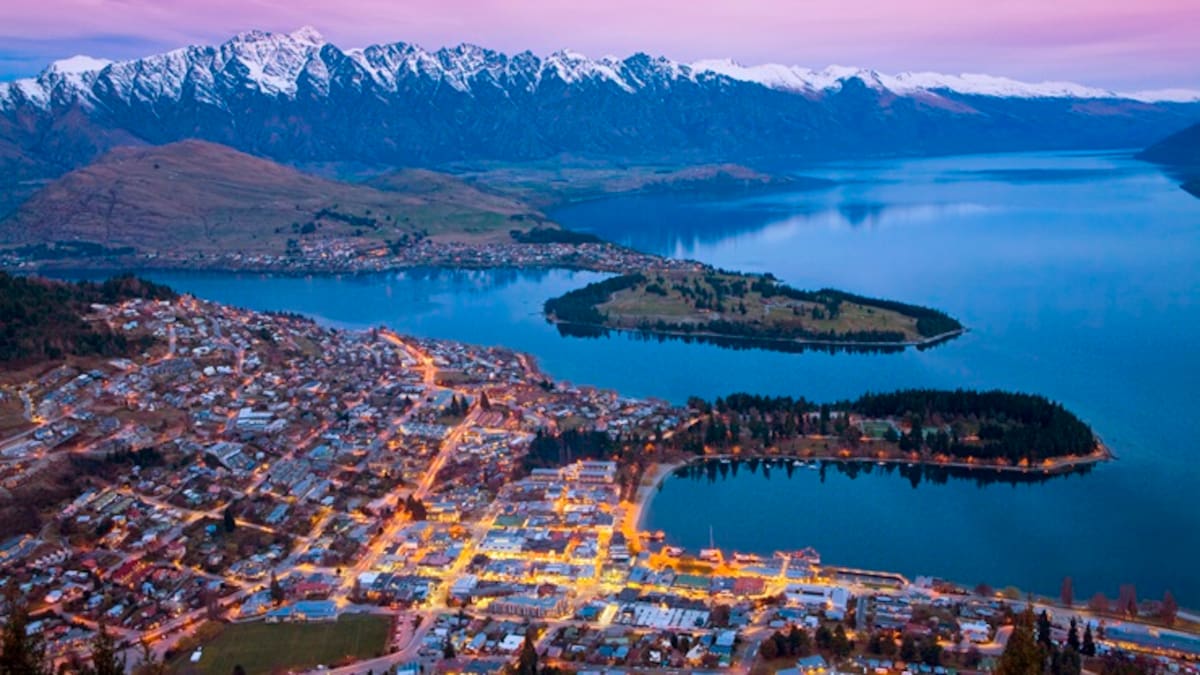
The development will be built on the southern corridor alongside State Highway 6, between The Remarkables and Lake Wakatipu. Image / Supplied
In its decision, the panel acknowledged the project would result in real adverse effects, including the loss of six wetlands, significant earthworks and landscape change, long-term construction impacts, and pressure on transport and servicing infrastructure.
However, the panel concluded those effects were not sufficiently significant to justify declining the application under the Fast-track Approvals Act.
The panel placed significant weight on the project’s regional benefits, particularly its contribution to housing supply in a district facing persistent shortages.
The site has long been identified for growth through the Queenstown Lakes Spatial Plan, which earmarks the southern corridor as a priority development area.
While only 1438 homes are directly enabled by the current consents, the panel accepted evidence that the superlots could ultimately deliver between 2531 homes, which it found broadly consistent with the Act’s Schedule 2 description of “approximately 2800 residential allotments”.
The panel said benefits tied to future superlot development were less certain and therefore given reduced weight, but still relevant.
The proposed subdivision could eventuate in up to 2800 new homes in the Queenstown Lakes District. Photo / File
Technical concerns around wastewater were considered resolved following expert conferencing, with conditions allowing either ongoing on-site treatment or future connection to council wastewater infrastructure if it becomes available.
The panel also accepted additional mitigation measures, including increased landscape buffers along the Ōraka boundary, reduced building heights (down to 6m) on edge lots, about 19ha of native planting, pest and weed control programmes, and extensive monitoring and adaptive management requirements.
The project will be rolled out in stages, with construction expected to begin once final consents are issued and detailed design and infrastructure work is completed.
Ben Tomsett is a multimedia journalist based in Dunedin. He joined the Herald in 2023.