
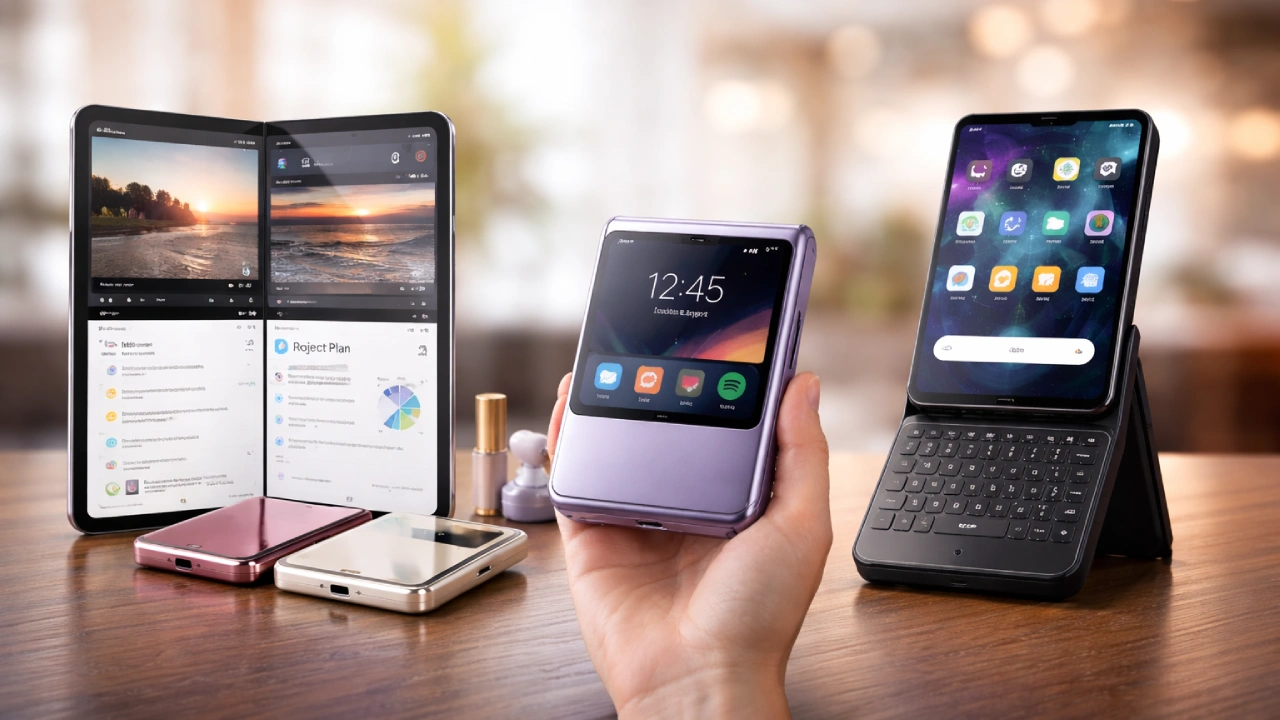
HighlightsFoldable phones deliver tablet-like multitasking and immersive screens for productivity and travel.Flip phones offer a compact design, stylish appeal, and better selfies thanks to their outer displays.Sliding phones remain a niche choice for keyboard lovers and users seeking unique phone form factors.
If you are shopping for a new “cool” phone in 2025, it probably is not a plain slab. You are likely staring at three very different ideas of what a phone can be: the big book-style foldable, the compact flip, and the nostalgic-but-modern slider. Each comes with its own mix of delight, compromise, and long-term trade-offs.
Here is a grounded, human-centric comparison to help you decide what actually fits your life.
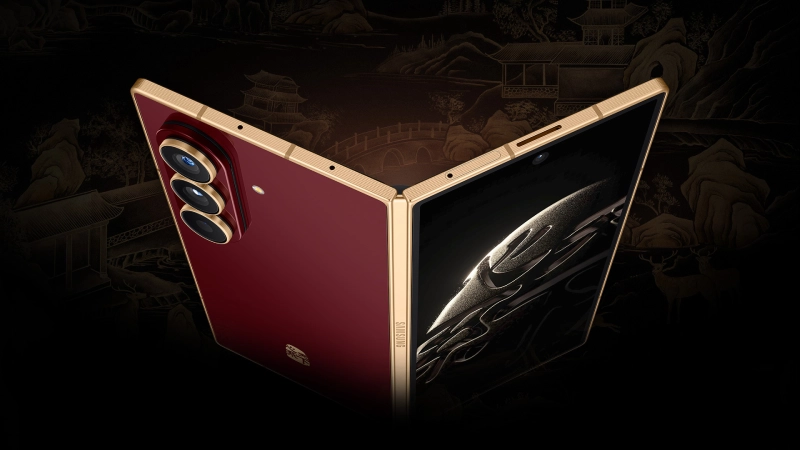 Image Source: Samsung China What are we talking about, exactly?Foldable phones (book-style)
These open like a book into a small tablet. Think Samsung Galaxy Z Fold series, OnePlus Open, and Google Pixel Fold-type devices. When shut, they are a thick phone; when open, they are a mini-tablet you can hold in one hand.Flip phones (clamshell foldables)
These are modern takes on the classic flip phone: tall, regular smartphones that fold in half to become tiny squares in your pocket. Examples include the Samsung Galaxy Z Flip series and the Motorola Razr series.Slider phones
Less common but still around in niche or gaming-focused models. A main screen slides up or to the side to reveal a second screen, a keyboard, or game controls. Historically: Nokia N95, BlackBerry sliders; more recently, gaming phones with sliding mechanisms or concept dual-screen sliders. Foldable Phones: mini-tablet in your pocketThese are the reasons why people love foldables:
Big, immersive screen: The biggest reason to buy a foldable is productivity and media. Open it up, and you have an almost tablet-sized display for reading PDFs, split-screen multitasking, watching shows, or editing documents more comfortably. For students, professionals, and avid readers, this can replace carrying a tablet in many situations.
Multitasking power: Foldables usually offer sophisticated multitasking, such as running three apps at once, drag-and-drop between windows, floating windows, etc. If you constantly switch between notes, browser, and email, this is a genuine workflow upgrade.
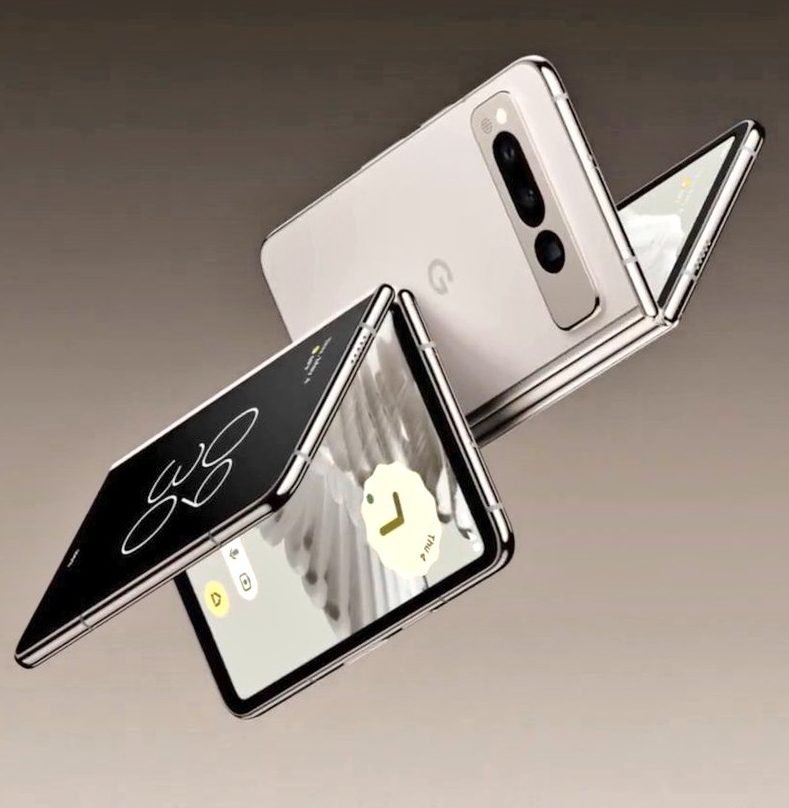 Honor foldable phone | Image credit: Honor
Great for travel and work: On a plane or train, a foldable is excellent for movies, offline documents, maps, and long articles. It is also friendlier for remote work—responding to long emails, reviewing slides, or joining video calls is just easier on a bigger screen.
The downsides
Price and fragility: Foldables are still among the most expensive mainstream phones. The complex hinge and flexible OLED display are more delicate than standard glass screens. While durability has improved with each generation, they remain more susceptible to damage from drops, dust, or sand, and out-of-warranty repairs can be punishingly expensive.
Bulk and weight: You gain a larger screen, but you also gain thickness and weight. In the pocket, they feel chunky. For people who already dislike heavy phones, this is a daily annoyance.
Battery life and software quirks: Larger internal screens consume more power; though manufacturers have optimized software and added bigger batteries, you are still driving two displays. Some apps also do not fully exploit the big screen, or may behave oddly in split-screen or unfolded modes.
Who should pick a foldable?You read, watch, or work a lot on your phone (documents, PDFs, split-screen multitasking).You travel often and want a single device that doubles as both a phone and a tablet.You are comfortable paying premium prices and treating your device with care.
If your phone is effectively your primary computer, a foldable can be worth every rupee.
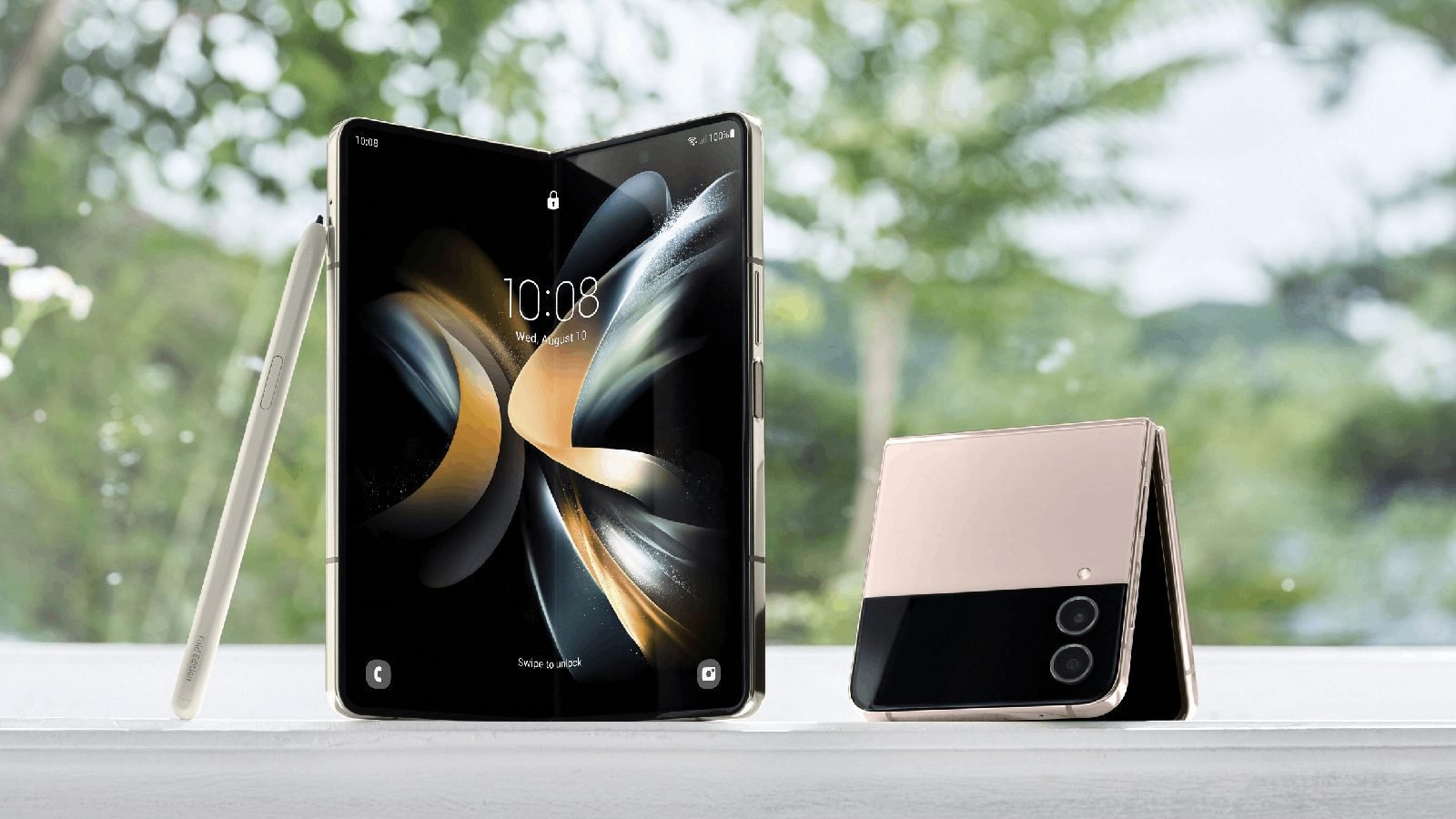 Samsung Galaxy Fold 4 and Flip 4 | Image credit: Samsung Flip Phones: fashion-first, pocket-friendly funWhy do people love them?Compact and satisfying to use:
Flip phones fold down into a small square that fits in small pockets, handbags, and clutches. If you are tired of huge slabs stretching your jeans pocket, this alone can feel like freedom.
“Flip” nostalgia and personality:
The act of flipping the phone open to answer calls and snapping it shut to hang up feels oddly empowering and nostalgic. Flip phones look and feel more like accessories, often with bold colors and customizable outer displays.
Outer screen convenience:
Modern flips have external displays for quick tasks like checking notifications, controlling music, replying to messages with quick replies, using the camera as a viewfinder for selfies, or seeing directions, without opening the phone.
Great cameras for selfies:
Because the primary rear camera can double as a selfie camera via the outer screen, you can get much better selfies and video calls than with typical front cameras.
The downsidesStill fragile and not cheap:
While flips are usually more affordable than big foldables, they are still costlier than many standard high-end slabs. The flexible inner display and hinge remain vulnerable to long-term heavy use.
Battery constraints:
The compact body leaves less room for a large battery. Many flip phones have “good enough” rather than “amazing” battery life. If you are a heavy user, you may need a mid-day top-up.
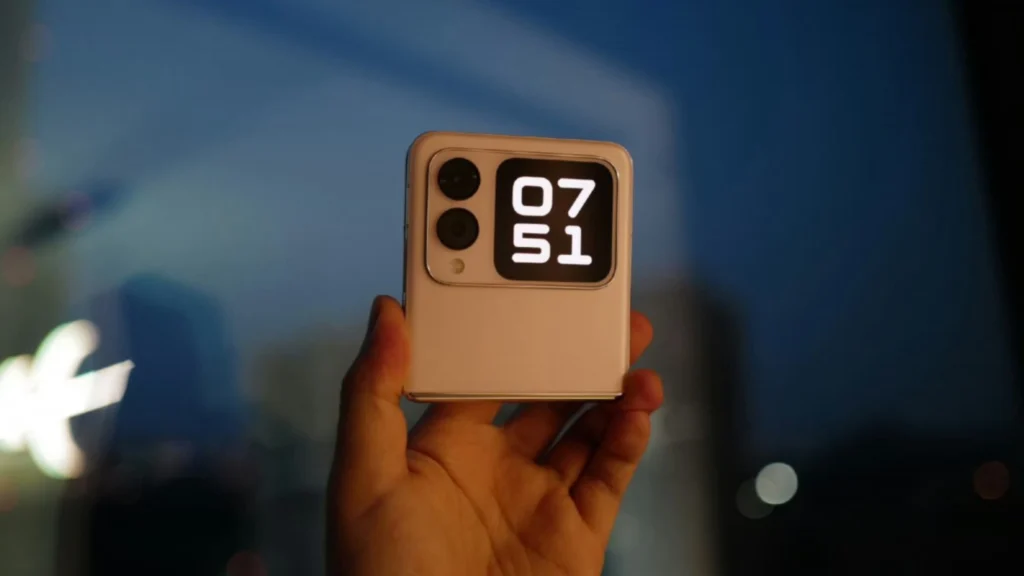 Huawei Nova Flip Phone | Image credit: GSMarenaNo big-screen productivity boost:
Unlike book-style foldables, flips unfold into a regular tall phone screen. You get style and compactness, not a tablet-like workspace. If you want serious multitasking, the Flip will feel more like a standard flagship.
Who should pick a flip phone?You care a lot about design, compactness, and one-handed handling.You want something fun and different, but do not need a tablet-sized screen.Your typical day is messaging, social media, some streaming, photos, and calls – not heavy document editing.
Put simply, flips are for lifestyle and comfort rather than maximum productivity.
Sliders: the niche, experimental choiceWhy people still carePhysical keyboards or dedicated controls:
For some users, nothing beats a physical keyboard for long messages or emails. Older slider phones offered this, and there is still nostalgia and niche demand. Some gaming-oriented sliders expose shoulder buttons or extra controls, turning the phone into a pseudo-console.
Dual-screen or hidden components:
Concept and niche devices have used sliding mechanisms to hide a secondary screen, camera array, or extra speakers. In theory, sliders can offer innovative layouts without the complexities of a fully flexible display.
Flat, solid main screen:
Unlike foldables, sliders can maintain a traditional, rigid display without a crease because the screen itself does not bend.
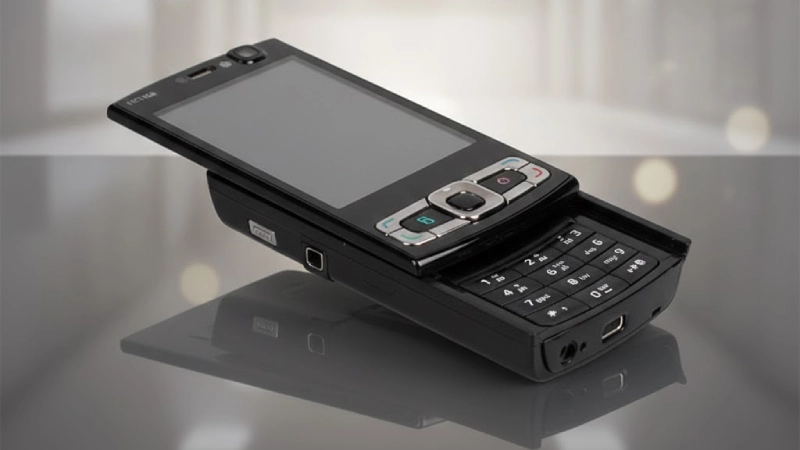 This Image Is AI-generatedThe downsidesRarity and poor ecosystem:
In 2025, sliders are rare. That means fewer options, less long-term support, and weaker resale value. Repairs can be complicated because fewer parts are available and fewer technicians are familiar with them.
Mechanical wear and tear:
Any moving part can wear out. Sliders add rails and moving cables, which can collect dust, loosen over time, or start to wobble.
Not optimized for mainstream apps and use cases:
Because sliders are niche, most apps and interfaces are not deeply optimized for their unique layouts. You get novelty, but not always a better experience.
Who should pick a slider?You are a niche user: a keyboard diehard, a retro tech fan, or someone drawn to unusual form factors.You are okay with trade-offs in software polish, support, and availability.
For most people, sliders are more of a passion choice than a practical one.
So, what should you actually pick?
Here is a more emotional, lifestyle-based way to decide:
Pick a Foldable (book-style) if:Your phone doubles as your main work and study device.You read long documents, research papers, or e-books on your phone.You love the idea of one device replacing both your phone and tablet.You are willing to invest in a premium, somewhat fragile gadget.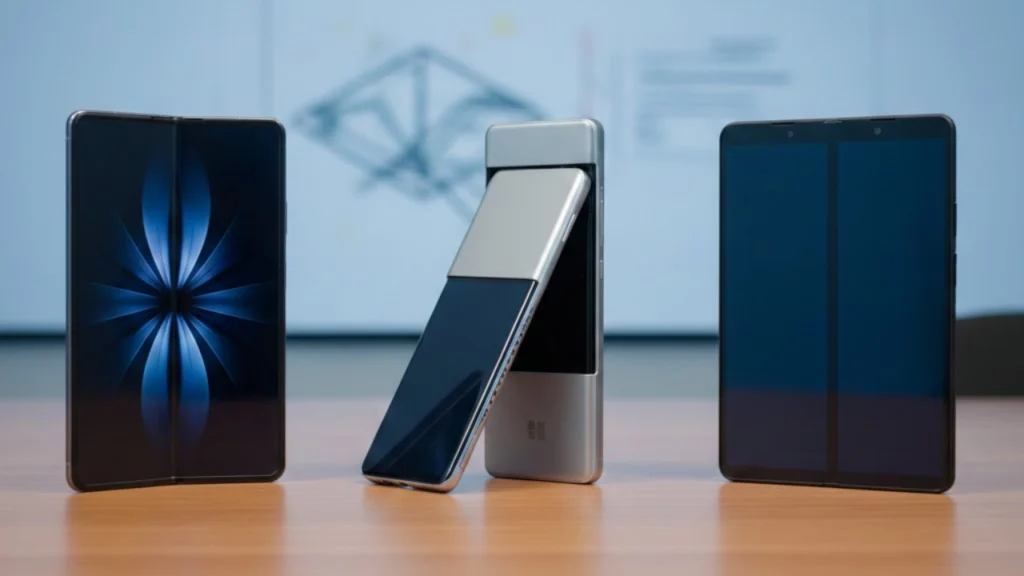 Image Credit: GeminiPick a flip phone if:You want something compact, stylish, and genuinely fun to use.You are tired of carrying a giant slab everywhere.You take a lot of photos and selfies and like the idea of using the main cameras for that.You can live with “good enough” battery life.Pick a slider if:You consciously want to be different and do not mind living with a niche device.You crave physical keyboards or specialized controls.You are okay with accepting potential repair issues and limited long-term support.Final thought: head over heart, or heart over specs?
Technically, foldables are the most “ambitious” devices, flips are the most “livable,” and sliders are the most “individualistic.” But in the end, your phone is something you touch hundreds of times a day. How it feels to flip, fold, or slide it open matters just as much as raw specifications.
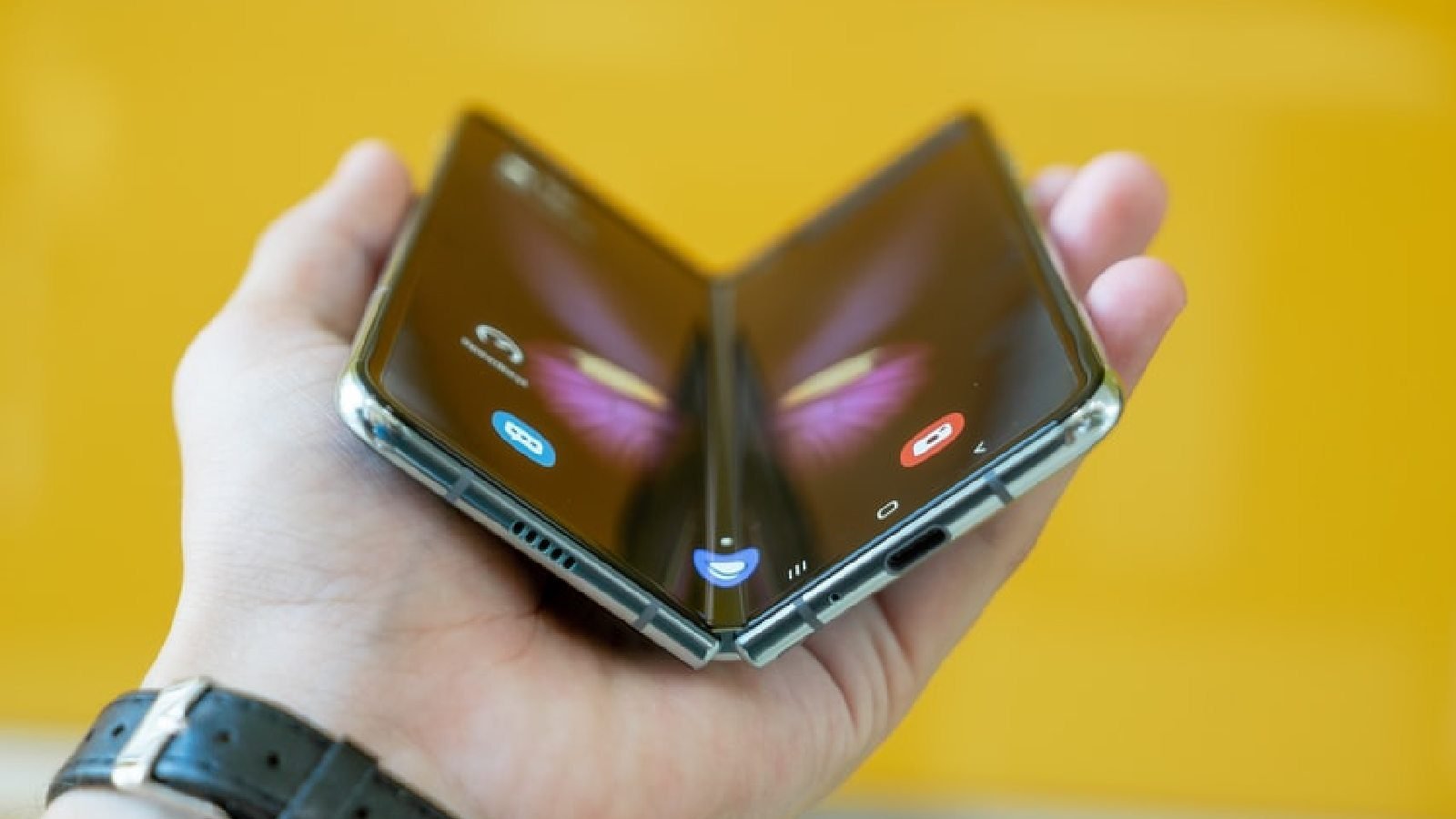 Foldable phones | Image credit: Mika Baumeister/Unsplash
Suppose you can, go to a store and actually hold them. Open and close the hinge a few times. Slide the mechanism if you find a slider. Ask yourself: which one makes you smile, and which one feels like a burden?
Your best pick is the one that quietly makes your daily life a little easier and a little more joyful every single day.