
Some species officially bid us farewell this year.
They may have long been gone, but following more recent assessments, they’re now formally categorized as extinct on the IUCN Red List, considered the global authority on species’ conservation status.
We may never see another individual of these species ever again. Or will we?
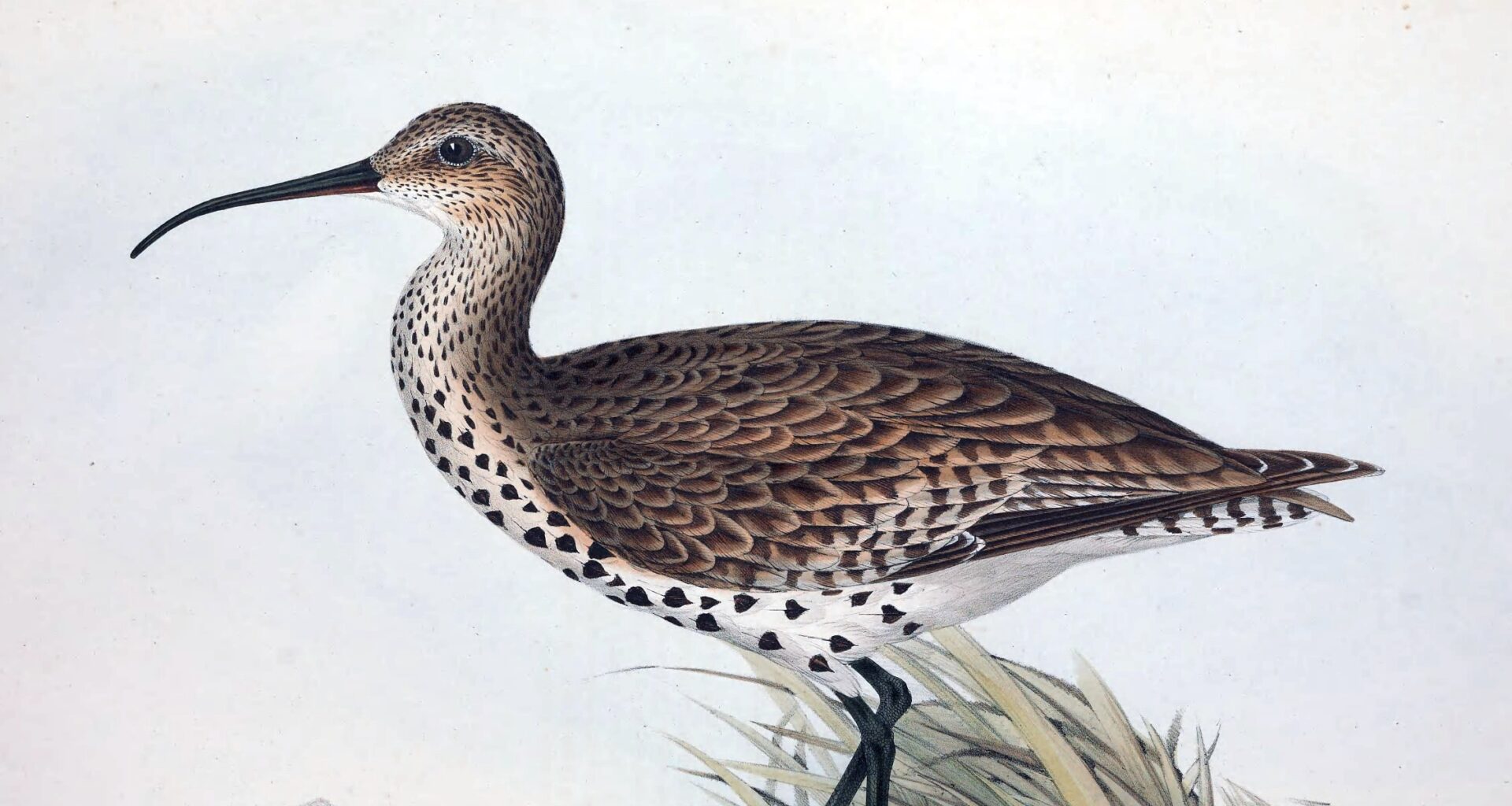
Slender-billed curlew
This grayish-brown migratory waterbird, known to breed in Siberia and the Kazakh Steppe, and migrate to Europe, North Africa and the Middle East, long evaded detection.
The last known photo of the slender-billed curlew (Numenius tenuirostris) was taken in February 1995 on Morocco’s Atlantic coast. Since then, researchers suspected it had gone extinct, but only recently did assessments confirm this.
“We arguably spent too much time watching the bird’s decline and not enough actually trying to fix things,” Geoff Hilton, conservation scientist at U.K.-based charity Wildfowl & Wetlands Trust, previously told Mongabay.
Christmas Island shrew
The Christmas Island shrew (Crocidura trichura) was once widespread on Australia’s Christmas Island.
But in the 20th century, there were just four confirmed records of this tiny mammal: two in 1958, one in 1984, and the last in 1985. The species’ latest conservation assessment concludes it has gone extinct.
Researchers say a blood-borne parasite transmitted by accidentally introduced black rats, which wiped out two of the island’s endemic rat species, may have also helped decimate populations of the Christmas Island shrew.
Australian mammals
Three Australian species of bandicoots — the marl (Perameles myosuros), southeastern striped bandicoot (Perameles notina) and Nullarbor barred bandicoot (Perameles papillon) — were also declared extinct on the IUCN Red List this year. All three species were last assessed in 2022.
Bandicoots are small, mostly nocturnal, insect-eating mammals found in Australia, New Guinea and nearby islands.
All three now-extinct species were likely wiped out by the loss of habitat and the spread of feral cats, researchers say.
The last known marl specimen was collected in 1907, and researchers suspect the species was likely extinct by 1910. The southeastern striped bandicoot likely went extinct by the late 1800s, while the last known record of the Nullarbor barred bandicoot was from the 1920s.
Plants
Diospyros angulata, a large tree native to the island country of Mauritius, is only known from two herbarium collections made in 1839 and 1851. Subsequent surveys didn’t reveal any individuals either in the wild or in cultivation. Researchers say it likely went extinct by 1981.
Delissea sinuata, a plant known only from the Waianae Mountains on the island of O‘ahu, Hawai‘i, was last observed in 1937, researchers say.
Mollusks
A species of cone snail, Conus lugubris, was once abundant in a small part of the Cape Verde Islands off West Africa. But by the turn of the 20th century, it likely went extinct as much of its habitat was degraded by coastal development, researchers say. It was last observed in 1987.
Banner image: Illustration of a slender-billed curlew by Elizabeth Gould & Edward Lear via Wikimedia Commons (Public domain).
