
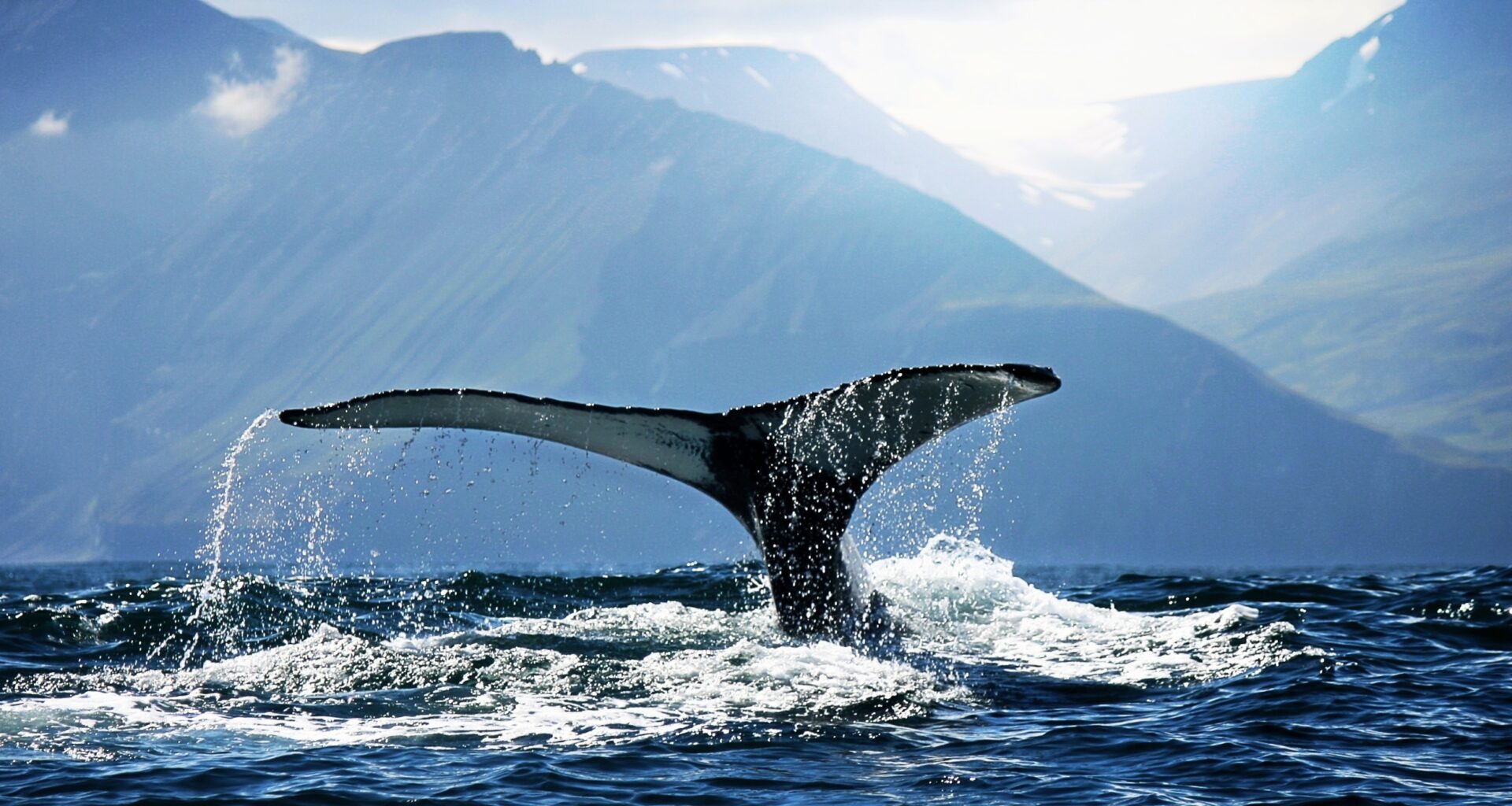
Whales travel across vast oceans and connect distant marine regions. Along these long routes, viruses and bacteria can also move between animals, oceans, and ecosystems.
For a long time, scientists learned about whale diseases only after animals died and washed ashore. Such an approach leaves large gaps in knowledge, especially in remote Arctic waters.

Drone-based research now offers a safer way to track whale health while animals remain alive and active.
Why whale health matters
Large whales face many pressures at once. Warming oceans change food availability. Increased shipping raises noise levels. Growing tourism brings closer contact between humans and marine life.
Disease adds another serious risk. Some viruses weaken the immune system, making whales more vulnerable to other infections and environmental stress.
Cetacean morbillivirus stands out as one of the most dangerous whale viruses. Scientists have linked morbillivirus outbreaks to mass deaths of whales and dolphins across the world. Infection can damage lungs, brain tissue, and immune defenses.
Infected animals may survive early stages but remain vulnerable for years afterward. Continuous monitoring helps detect early warning signs before large outbreaks occur.
Drones collect whale breath
Scientists used consumer drones fitted with sterile Petri dishes. Each drone hovered a short distance above a whale blowhole during exhalation.
Warm breath released droplets carrying cells, viruses, and genetic material. Researchers later tested samples in laboratories using molecular methods that detect even small traces of pathogens.
“Drone blow sampling is a game-changer. It allows us to monitor pathogens in live whales without stress or harm, providing critical insights into diseases in rapidly changing Arctic ecosystems,” said Professor Terry Dawson from the Department of Geography at King’s College London.
Testing whale samples for viruses
Between 2016 and 2025, research teams collected samples from humpback whales, sperm whales, and fin whales.
Sampling areas included winter feeding grounds in northern Norway, summer feeding areas in Iceland, and breeding zones near Cape Verde.
Skin biopsies added another source of information, while one stranded pilot whale provided organ samples for comparison.
High-density feeding areas play an important role in disease spread. Whales gather closely in such zones, often alongside seabirds and human activity.
Close contact increases chances for virus transmission between animals and across species.
Virus found above the Arctic Circle
Laboratory testing revealed cetacean morbillivirus in humpback whale groups feeding in northern Norway.
Detection also occurred in a sperm whale showing signs of poor health and in a stranded long finned pilot whale. Genetic analysis showed close links to dolphin morbillivirus strains already known from other Atlantic regions.
Before such findings, no confirmed molecular evidence placed morbillivirus circulation above the Arctic Circle.
The results suggest earlier absence likely reflected limited surveillance rather than true safety. Migratory species regularly carry pathogens into Arctic waters during feeding seasons.
Immune stress and co-infections
Researchers also detected herpesviruses in humpback whales across Norway, Iceland, and Cape Verde. Herpesviruses often remain silent in healthy animals. Problems arise when immune systems weaken.
Morbillivirus infection can suppress immunity, opening the door for opportunistic viruses such as herpesvirus.
Groups testing positive for morbillivirus also carried herpesvirus. Such co-infections increase disease severity and complicate recovery.
Skin biopsies detected one gammaherpesvirus, while breath samples revealed alphaherpesviruses linked to respiratory tissues.
No evidence appeared for avian influenza virus or Brucella bacteria during sampling. Even so, scientists stress continued vigilance. Both pathogens pose risks to marine mammals and humans, especially in shared feeding areas.
Long-term surveillance is essential
“Going forward, the priority is to continue using these methods for long-term surveillance, so we can understand how multiple emerging stressors will shape whale health in the coming years,” said study lead author Helena Costa from Nord University.
Drone based breath sampling offers repeated, low stress monitoring over many seasons. Regular screening helps track infection trends, identify new threats, and understand how climate change alters disease patterns.
Early detection supports faster conservation responses and better protection for vulnerable whale populations.
As Arctic ecosystems change rapidly, tools like drone health monitoring provide a vital window into unseen biological risks. Science now has a way to listen to whale breath and learn what oceans silently carry.
Collaborating partners included King’s College London, The Royal (Dick) School of Veterinary Studies at The University of Edinburgh, and the Norwegian Institute of Nature Research (NINA).
The study is published in the journal BMC Veterinary Research.
—–
Like what you read? Subscribe to our newsletter for engaging articles, exclusive content, and the latest updates.
Check us out on EarthSnap, a free app brought to you by Eric Ralls and Earth.com.
—–