
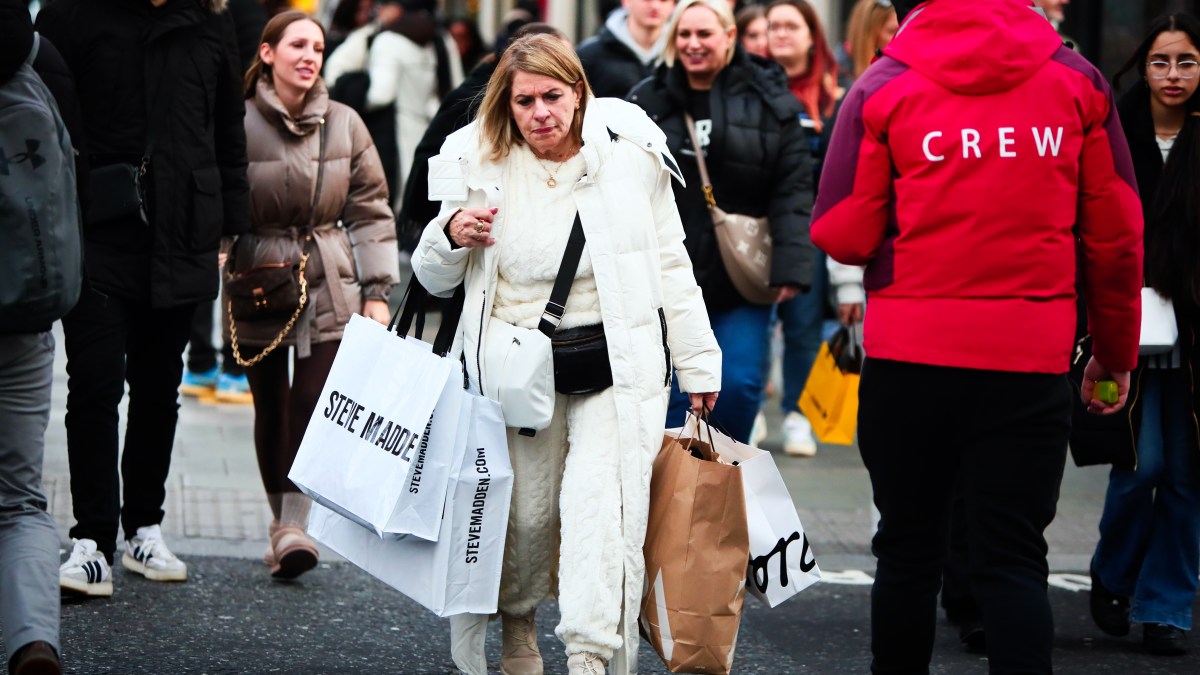
Price-conscious shoppers hunting for deals and households dining out after Christmas pushed footfall slightly higher across Britain on Saturday.
Across all UK retail destinations, footfall rose by 1.6 per cent year on year on December 27, data from MRI Software, the retail tech business, showed.
Footfall on high streets grew by 2.4 per cent, while retail park footfall rose by 2.1 per cent. Shopping centres experienced a 0.6 per cent decline, however.
Jenni Matthews, a retail analyst at MRI Software, said high streets had led the charge as “shoppers may well have combined sales shopping with leisure, dining and social activities”.
She added that as “family gatherings end and people start to brush off those festive cobwebs, it’s anticipated footfall will continue to rise over the next couple of days with consumers likely shopping the sales, making the most of the festive events and attractions within towns and cities and stocking up on New Year’s Eve essentials, keeping the festive retail period firmly in motion”.
The data, which does not capture sales so cannot give an indicator of how much money was spent, showed a slowdown from Boxing Day, when retail footfall rose to a surprise ten-year high.
The increase across all retail destinations followed a 14.2 per cent rise in December 27 last year, when compared with the same period in 2023.
Matthews said this year’s “modest increase was still positive but with such a strong double-digit rise recorded last year, it could reflect trends starting to stabilise”.
While the data showed a slight boost, industry analysts cautioned that the “golden quarter” overall remained difficult. Despite late footfall flurries, rising business costs and weak consumer confidence meant the period was projected to deliver only negligible volume growth for many retailers.
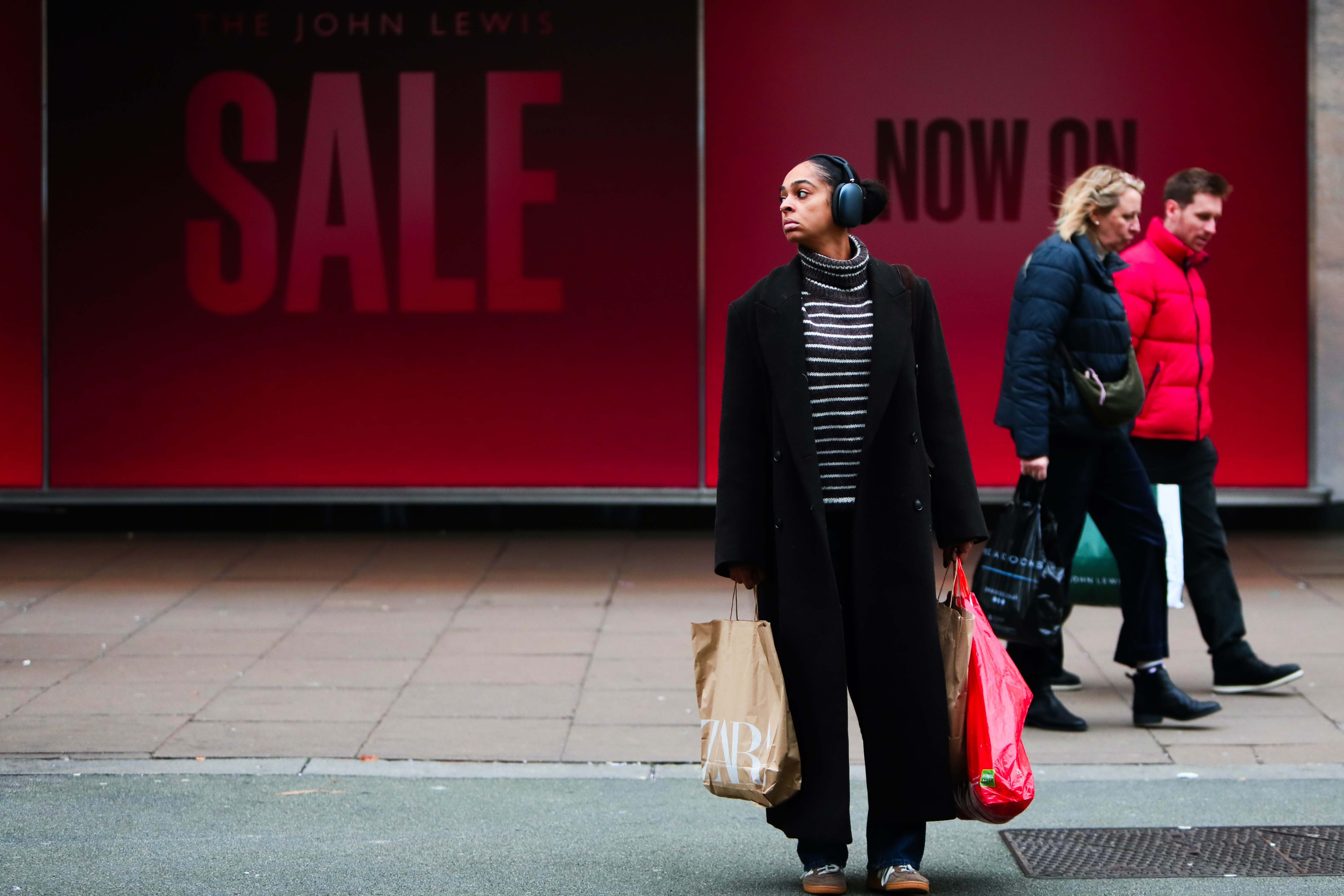
People may have combined shopping with leisure activities, an analyst suggested
ALISHIA ABODUNDE/GETTY IMAGES
Rachel Reeves’s second tax-raising budget has drawn criticism for hitting consumer confidence over the key quarter trading period covering Black Friday and Christmas, when retailers typically make a disproportionate amount of their annual profit. The high street is also under continuing pressure from a shift in consumer behaviour towards shopping online as opposed to bricks-and-mortar stores.
Sales volumes fell by 0.1 per cent in November, according to the Office for National Statistics. Separate figures from the British Retail Consortium and KPMG showed retail sales rose by 1.6 per cent year on year in October, down from 2.3 per cent the previous month, with transactions at their weakest since May.
Retailers were hoping for a late surge in spending in the final days before Christmas. However, early indicators pointed to a subdued performance on “Super Saturday”, December 20, when in-store footfall was down 6.9 per cent year on year as shoppers delayed purchases in anticipation of deeper discounts, according to Sensormatic Solutions.
Retailers release trading statements in January, which are unaudited snapshots that provide the first official look at their performance during the golden quarter.
Next, the clothing and homewares retailer often seen as a sector bellwether, will be the first to report on January 6, followed by Marks & Spencer and Tesco two days later.