
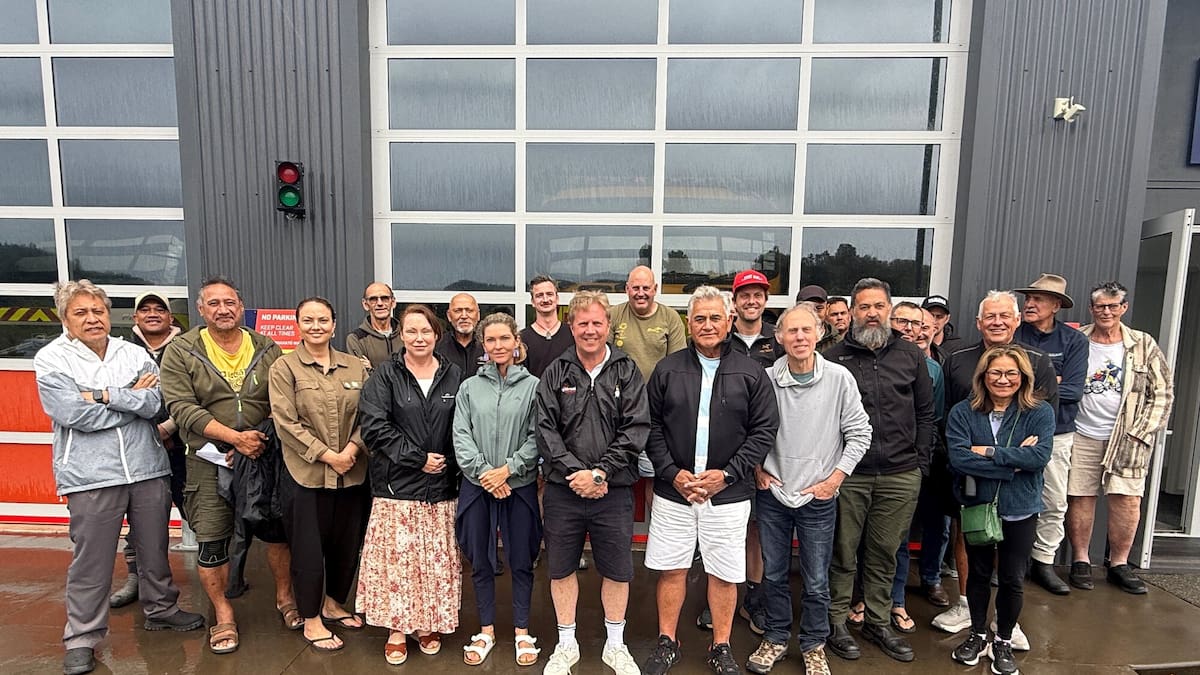
A meeting of community stakeholders over the gold clam threat.
“Iwi, community groups, councils and government agencies all share responsibility as kaitiaki. Our united focus is simple – protect Ōkāreka now, before it’s too late.”
Gold clams pose a serious and irreversible threat to freshwater ecosystems.
They are most commonly spread by recreational boats moving between waterways.
Once established, they cannot be eradicated, meaning prevention is the only effective option.
Gold clams. Photo / NZME
Haumaha said the priority was the health and wellbeing of all 14 lakes in the Rotorua area.
“Ōkāreka is part of a much bigger picture, and every decision we make has to support the long-term protection of the entire lake system.”
Options being considered include managed and monitored boat ramp access, prioritising local use, requiring stricter biosecurity measures for visiting vessels, and increasing education and on-the-ground support.
As part of the immediate response, warranted officers and community volunteers will be stationed at the main Ōkāreka boat ramp.
They will help educate boaters on rules and regulations and encourage thorough “Check, Clean, Dry” practices before vessels enter the lake, while also managing access.
Their role is focused on prevention, education and ensuring consistent biosecurity behaviour over the summer period.
Te Arawa Lakes Trust is also advocating nationally for stronger biosecurity controls.
Haumaha said the trust encourages all lake users to follow “Check, Clean, Dry” procedures every time they moved between waterways.
Haumaha said there was only one chance to keep the gold clam out.
“This activity at Ōkāreka is a short-term, preventative measure. The coalition agrees that medium and long-term solutions – including stronger national controls, infrastructure improvements and sustained community education – must remain a priority to keep all Te Arawa lakes protected.”
Warranted officers and volunteers will monitor the boat ramp. Photo / Supplied
Ōkāreka Communities Association chairman Neil Oppatt said the action was community led.
“People who live here, recreate here and love this lake. They all want the same thing – to keep it healthy for our kids and mokopuna.
“If gold clams reach Ōkāreka or Tarawera, the ecological damage would be permanent,” Oppatt said.
Tarawera Ratepayers Association chairman Mike Allen said ratepayers had been supportive.
“Our members understand that once gold clams arrive, they don’t leave. Acting early is the most cost-effective and sensible approach.”
Rotorua MP Todd McClay. Photo / Maryana Garcia
Rotorua MP Todd McClay described today’s meeting as constructive, with all participants contributing their views.
He said a Biosecurity Controlled Area Notice remained in place over the Te Arawa (Rotorua) lakes to mitigate the risks from gold clams.
“It’s extremely important that all boat users are aware of their responsibilities and take them seriously. Every boat entering from outside the Rotorua lakes area must be appropriately cleaned at an official wash station,” McClay said.
“Non-compliance with the order puts our lakes at risk and could result in enforcement action,” he said.
“Effective measures to protect our lakes from this serious biosecurity threat, while ensuring certainty and access for lake users and supporting local businesses, are a priority.”
Kelly Makiha is a senior journalist who has reported for the Rotorua Daily Post for more than 25 years, covering mainly police, court, human interest and social issues.