
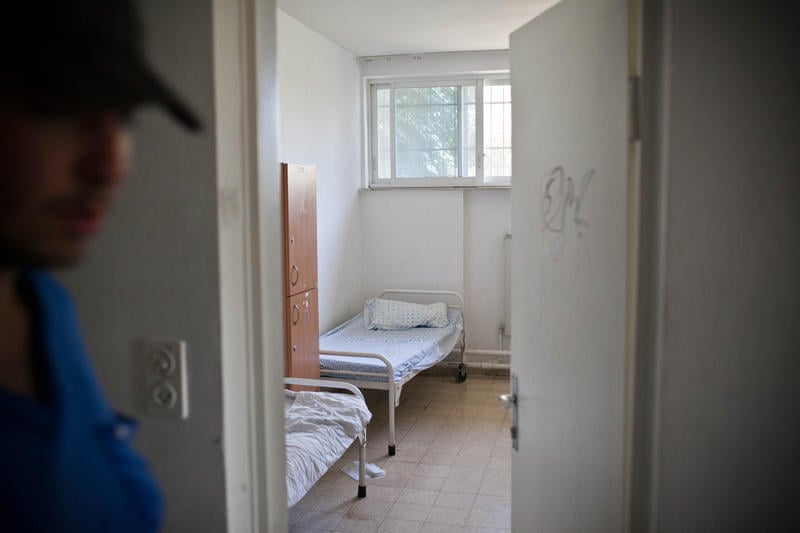
After two years of war and national trauma, a record 32 percent of Israelis say they need professional mental health support, according to a end-of-year survey conducted by Maccabi Healthcare Services.
Among Israel Defense Forces personnel serving as conscripts or reservists over the past year, the situation appeared more severe: 39% reported needing mental health support, 26% were concerned about depression, and 48% had sleeping issues.
The survey was conducted in November among a representative national sample of 1,100 Israelis, ages 20-75, from across the country, combining self-reported survey data with anonymized medical records from approximately 2.7 million Maccabi members. Maccabi is the second-largest of the four health maintenance organizations serving Israelis.
According to the survey, nearly one in three Israelis said they feel they need professional mental health support. Seventeen percent of respondents described their mental state as fair or poor, compared with 13% before the war.
Lifestyle habits show mixed trends, with 62% of Israelis describing their physical health as very good or excellent, an increase compared with the period before the war.
Get The Times of Israel’s Daily Edition
by email and never miss our top stories
By signing up, you agree to the terms
Only nine percent define their health as fair or poor, a significant decline from the levels recorded shortly after the war began on October 7, 2023, when thousands of Hamas-led terrorists stormed southern Israel from Gaza, killing 1,200 people and kidnapping 251.

Illustrative image of someone smoking. (Tunatura; iStock by Getty Images)
A 30% increase in smoking
Smoking rates worsened during the past year, with 30% of smokers reporting that they increased their smoking.
At the same time, Maccabi data shows high use of fitness services, with approximately 2.5 million workout sessions booked through the health fund’s UP app app in 2025. Pilates was the most popular activity, followed by gym workouts and yoga.
However, sedentary behavior remains widespread, with Israelis sitting an average of 8.2 hours a day, and 20% reporting that they sit for more than 11 hours daily. Approximately 30% of Israelis report not engaging in any aerobic physical activity. Yet almost half of Israelis report that they adhere to a healthy lifestyle to a large or very large extent, an increase of about 15% compared with the prewar period.
Medical data from Maccabi’s records shows a seven percent increase in winter morbidity during the 2024–2025 season compared with the previous winter. The number of births declined by 4% compared with 2024. Preventive screenings for breast cancer remained stable, while cervical cancer screening rates rose slightly.

Illustrative image of wellness and fitness (DGLimages; iStock by Getty Images)
The use of injectable medications to treat obesity increased sharply. In 2025, more than 100,000 Maccabi members purchased hundreds of thousands of packages of weight-loss injections, while the number of bariatric surgeries dropped by 17% compared with the previous year.
The most common medical diagnosis during 2025, given by both family physicians and pediatricians, was upper respiratory tract infection.
Among family doctors, the next most frequent diagnoses were for abdominal pain, coughing, and lower back pain. Among pediatricians, they were sore throat, abdominal pain, and fever.
Half the population consults with medical staff
The survey also pointed to changes in how Israelis seek medical information. Fifty-seven percent report searching for medical information online, 50% consult doctors or medical staff, 44% use health fund or hospital websites, and 32% turn to artificial intelligence tools. However, only 21% say they place high trust in AI-based medical recommendations, while a third report no trust at all.
Attitudes toward flu vaccination remained cautious. Forty percent of respondents said they have never received a flu shot, and only 4% of those were considering vaccination this year. The data was collected in November, before the peak of flu season in December.
Maccabi officials said the findings highlight both resilience and strain in Israeli society, underscoring the need to expand mental health services and adapt health policy to the challenges expected in the coming years.
“In a period of change and uncertainty, it is essential to understand the health of Israeli citizens based on up-to-date objective data alongside the public’s own perceptions,” said Sigal Dadon-Levi, CEO of Maccabi Healthcare Services. “I call on decision-makers in Israel to use the data to formulate more precise policy and provide real responses to the health challenges we face.”
Is The Times of Israel important to you?
If so, we have a year-end request.
Every day during the past two years of war and rising global antisemitism, our journalists kept you abreast of the most important developments that merit your attention. Millions of people rely on ToI for fact-based coverage of Israel and the Jewish world.
We care about Israel – and we know you do too. So as 2025 draws to a close, we have an ask: show your appreciation for our work by joining The Times of Israel Community, an exclusive group for readers like you who appreciate and financially support our work.
Already a member? Sign in to stop seeing this
You appreciate our journalism

You clearly find our careful reporting valuable, in a time when facts are often distorted and news coverage often lacks context.
Your support is essential to continue our work. We want to continue delivering the professional journalism you value, even as the demands on our newsroom have grown dramatically since October 7.
So today, please consider joining our reader support group, The Times of Israel Community. For as little as $6 a month you’ll become our partners while enjoying The Times of Israel AD-FREE, as well as accessing exclusive content available only to Times of Israel Community members.
Thank you,
David Horovitz, Founding Editor of The Times of Israel