
Ruth Nicol
New Zealand Listener·
5 Jan, 2026 06:02 PM3 mins to read
Subscribe to listenAccess to Herald Premium articles require a Premium subscription. Subscribe now to listen.Subscribe now
SaveShare this article
Reminder, this is a Premium article and requires a subscription to read.
Copy LinkEmailFacebookTwitter/XLinkedInReddit
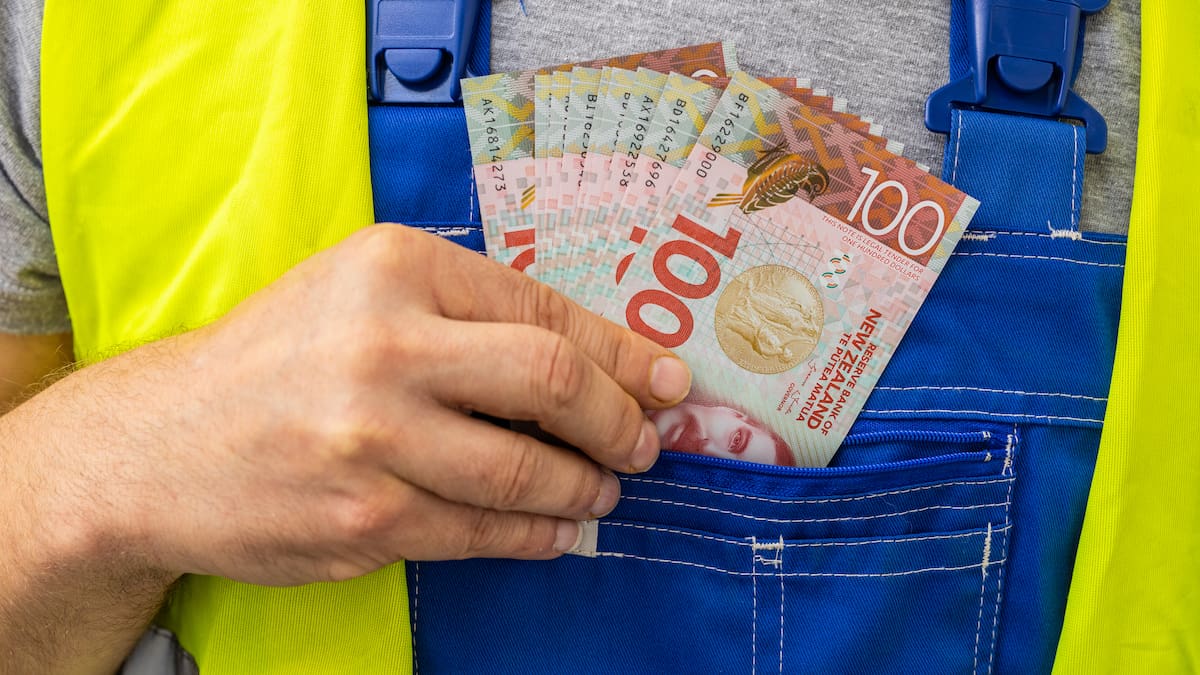
The importance of having cash during emergencies is becoming such an issue that several European countries now recommend keeping €70-100 (NZ$140-200) per household member in case of emergencies, or enough to pay for essentials for 72 hours. Photo / Getty Images
From cyclones and tsunamis to software glitches, our dependence on cables can bring everything to a shuddering halt. Where is Plan B? In Part II of her feature on what’s at risk if the internet fails, Ruth Nicol on the necessity for cold, hard cash.
In
an earthquake- and storm-prone country, Kiwis are urged to put together at least a rudimentary emergency kit, with water, cans of food, a battery-operated radio and possibly a power bank to charge devices. But we may not necessarily have thought about including cash – preferably in a range of denominations and including some coins.
SaveShare this article
Reminder, this is a Premium article and requires a subscription to read.
Copy LinkEmailFacebookTwitter/XLinkedInReddit