
Months of escalating tensions between the United States and Venezuela came to a head on Saturday when the U.S. carried out a covert operation to capture President Nicolás Maduro and his wife, Cilia Flores. In the aftermath of this incursion, Elon Musk’s Starlink is swooping in to supply Venezuelans with emergency internet services.
“Starlink is providing free broadband service to the people of Venezuela through February 3, ensuring continued connectivity,” Starlink posted on X Sunday. Hours later, Musk reposted the statement, adding, “In support of the people of Venezuela,” with a Venezuelan flag emoji.
The move is notable, but not altogether surprising. Musk has been a vocal critic of Maduro for the past two years and called his capture “a win for the world and a clear message to evil dictators everywhere.” Meanwhile, Starlink has become a geopolitical disruptor in its own right, supporting connectivity and battlefield communications in war-torn Ukraine, Sudan, and multiple Middle Eastern conflict zones.
Starlink’s growing defense presence
Following their capture, Maduro and his wife were transported to New York to face charges related to drug trafficking, terrorism, and firearms. The couple is being held in federal custody at MDC-Brooklyn and is expected to appear in court at 12 p.m. ET today.
The U.S. incursion into Venezuela involved airstrikes that primarily targeted military infrastructure but reportedly damaged some homes and killed at least 40 people, including civilians. Venezuela faced significant connectivity issues long before this attack, but the incursion will worsen them at a time when access to information is more important than ever.
Following the airstrikes, part of the nation’s capital, Caracas, reportedly lost power and internet connection. Local outlets also reported outages in the state of Miranda.
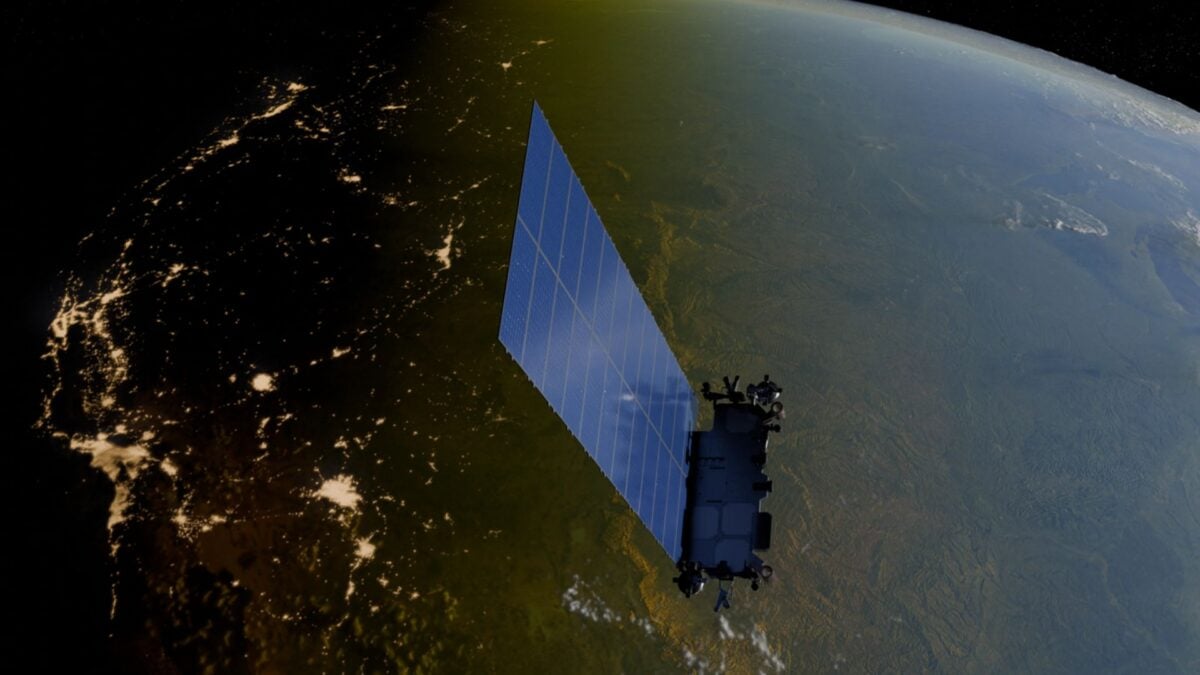
Enter Starlink: the largest satellite megaconstellation in the world. More than 9,000 active low-Earth orbit satellites provide broadband internet access to remote areas or places with damaged infrastructure, like war zones. The service has become essential to Ukraine’s defense against the Russian invasion. It has also kept a field hospital running in Gaza and provided relief from internet blackouts in Sudan.
Musk casts a lifeline to Venezuela
Starlink’s availability map lists Venezuela as “coming soon,” but in a statement, the SpaceX subsidiary explained that Venezuelans who already have a Starlink kit can now access the service through a roaming plan. Both active and inactive customers will have free service credits proactively applied to their accounts.
“While we do not [yet have] a timeline for local purchase availability, if and when there are updates they will be communicated directly through official Starlink channels,” the statement reads.
Starlink’s growing presence in conflict zones has been praised as a vital lifeline for military and critical civilian operations, but it has also raised concerns about a single private company’s ability to control internet access during wartime.
Such concerns factored into the U.S. Department of Defense’s decision to bring Starlink’s activities in Ukraine under its oversight in 2023 through a contract with SpaceX. It’s unclear whether the DoD will oversee Starlink’s deployment in Venezuela, but this rapid response underscores the company’s evolving role as a strategic actor in global conflict.