
The registrar will reject it if it is non-compliant and clubs would have to start over again.
Over the next 13 weeks, the association estimated the average daily registration rate (based on the actual registration rate over the eight weeks to December 31, 2025) needed to increase three-fold, for all ICSOs to continue to have a legal identity.
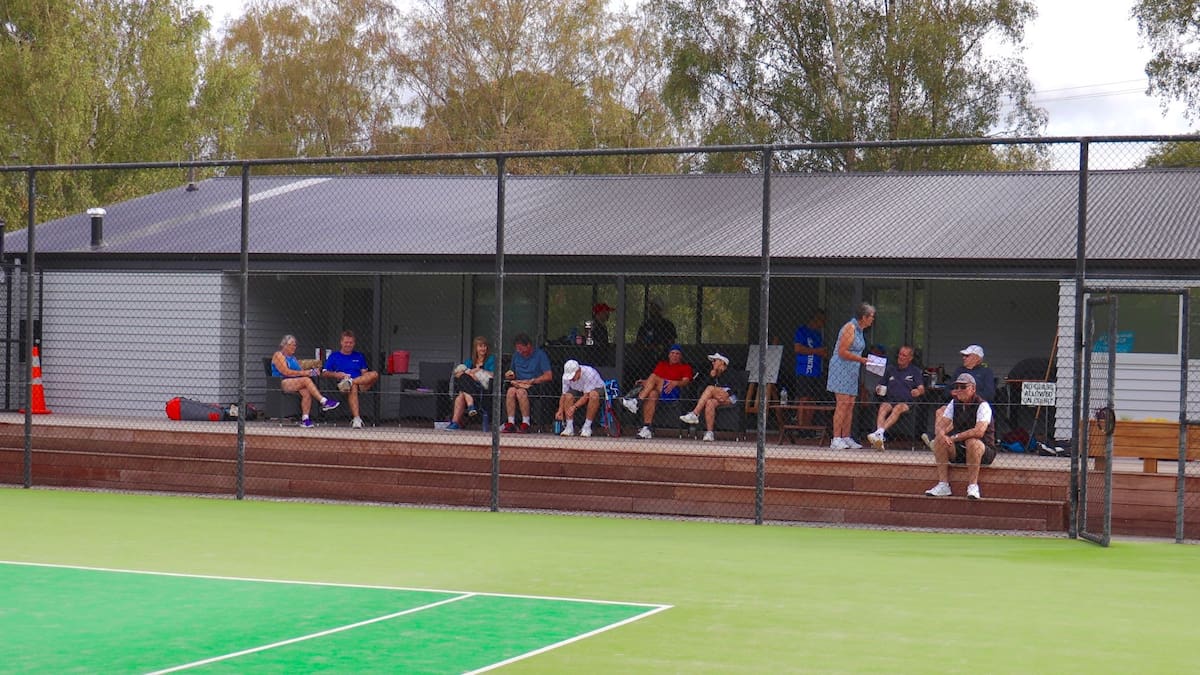
Tennis clubs are among those that need to register. Photo / Bridget Tunnicliffe, RNZ
If the current registration rate was maintained between now and “dissolution day”, it estimated 36% of currently registered ICSOs would cease to have incorporated status, affecting many sporting codes and communities.
The association believed many ICSOs were still unaware of their legislative obligations or oblivious to their impact, with many ICSOs likely to continue operating in an unincorporated state once they had been involuntarily dissolved by the Registrar of Incorporated Societies in April.
While there had been an increase in registrations over the past eight weeks, since the association undertook its last analysis, most sport codes had fewer than half of their clubs registered under the new act.
Lawn and indoor bowls had achieved the greatest compliance, with around three-quarters of all clubs registered. Only one in 10 equestrian clubs had taken the necessary steps to remain registered.
Some of the country’s biggest codes – cricket, netball, and rugby union – all languish among the sports with lower rates of registration.
The association has asked the Minister for Commerce and Consumer Affairs to extend the deadline by at least a further 12 months to avoid the unintended consequences for local communities, which rely on volunteers to deliver sport throughout New Zealand.
-RNZ