
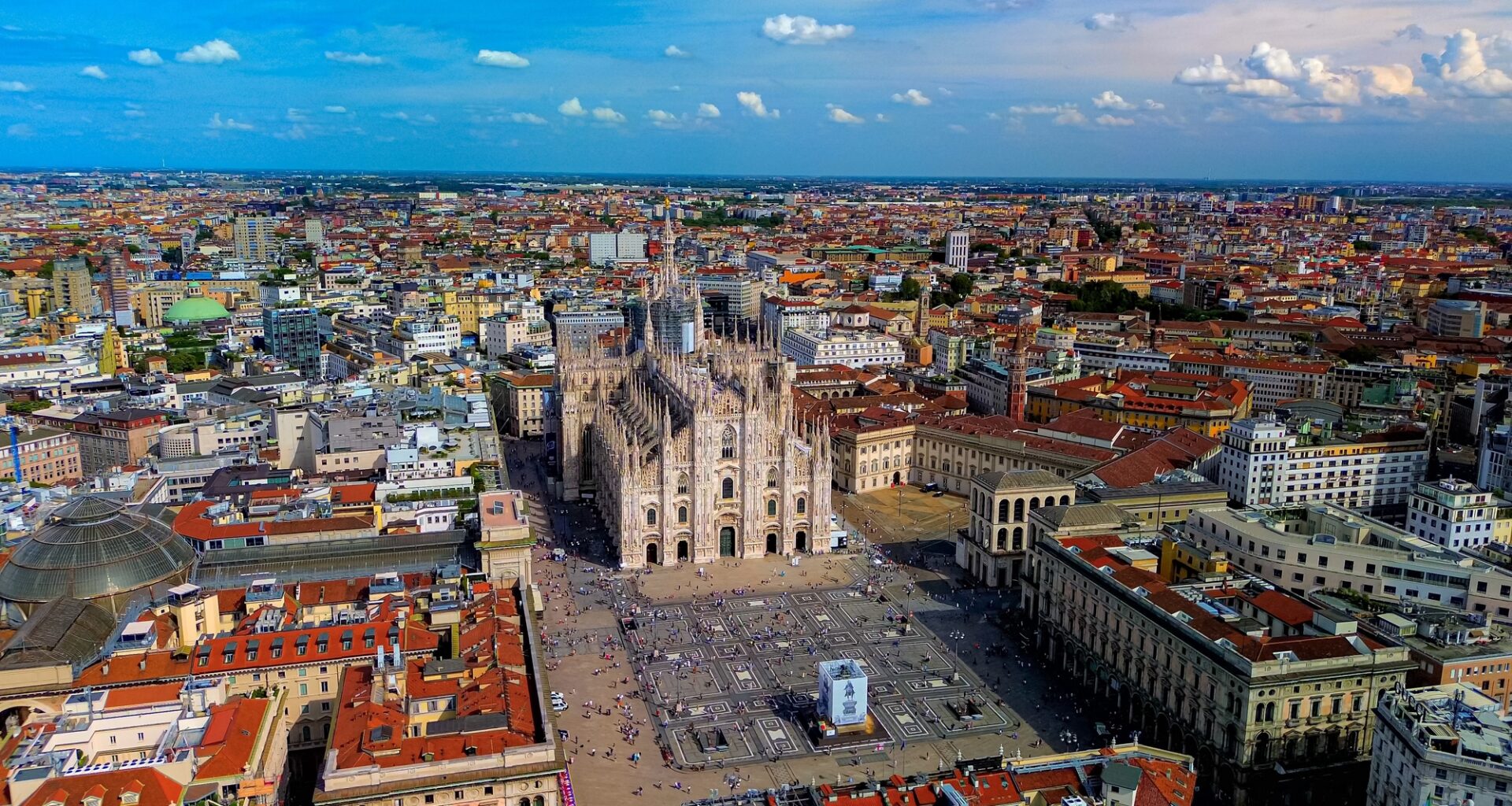
 Aerial view of Piazza Duomo, Milan. Image © VILTVART via Shutterstock
Share
Or
https://www.archdaily.com/1037496/one-month-to-go-adaptive-reuse-and-alpine-transport-upgrades-shape-the-road-to-milano-cortina-2026
One month remains until the Opening Ceremony of the Olympic Winter Games Milano Cortina 2026, with competitions set to run from February 4 to 22, 2026. The Opening Ceremony will take place on February 6 at the Milano San Siro Olympic Stadium and will bring together approximately 2,900 athletes from around the world competing across 16 sports, with 116 gold medals to be awarded. The Olympic Winter Games return to Italy twenty years after Torino 2006 and seventy years after Cortina 1956. This edition, however, adopts a markedly different approach, proposing a shift away from the traditional high-cost, high-waste model toward adaptive reuse, renewable energy, and long-term regional development. The most geographically dispersed Winter Games in history plan to rely on 92% existing or temporary venues, build on regions with established tourism industries, avoid major environmental disruption, and implement circular design and recycling strategies, the results of which will become evident in the coming months. The Milano Cortina 2026 Winter Paralympics will follow, taking place from March 6 to 15, 2026.



For this edition, the two primary competition sites are the city of Milan and Cortina d’Ampezzo, the alpine resort in the Dolomites located more than 400 kilometers (250 miles) away by road. Athletes will also compete across three additional mountain clusters beyond Cortina, while the Closing Ceremony will be held in Verona, 160 kilometers (100 miles) east of Milan. This dispersed geography presents a significant transportation challenge, as venues spread across the Alps increase mobility demands and require sustainable, efficient transport systems. Investments planned for the Games are intended to result in lasting public infrastructure upgrades and improved regional connectivity. According to Fondazione Milano Cortina 2026, the event is framed as a long-term investment in Italy’s Alpine regions, aimed at expanding tourism capacity beyond 2026, supporting small hospitality businesses, and generating sustained employment in eco-tourism. Planning efforts emphasize avoiding “white elephant” infrastructure, assets whose maintenance costs outweigh their benefits, by adopting a circular economy framework based on modular construction, reuse of temporary structures, and efficient resource management.
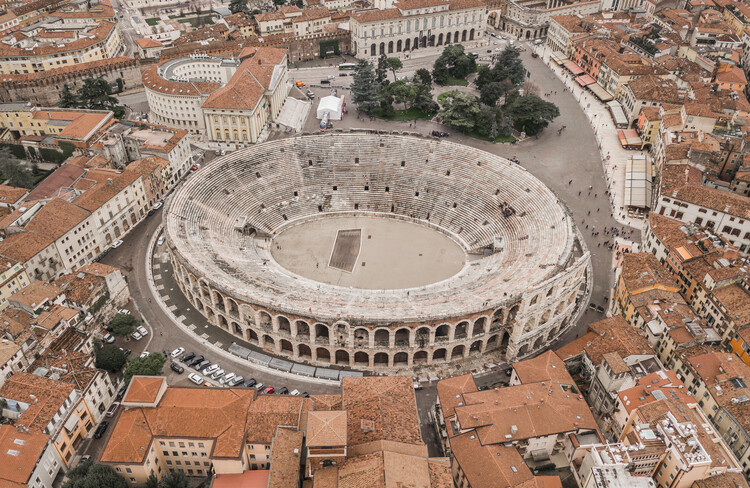 Aerial view of Arena di Verona, Italy. Image © Aleksandr Medvedkov via Shutterstock
Compared to previous editions, Milano Cortina 2026 involves virtually no new construction. Adaptive reuse initiatives, such as the conversion of the Fiera Milano Rho Events Center for ice skating events and the planned transformation of the Milan Olympic Village into a self-sustaining neighborhood after the Games, exemplify Italy’s effort to host an environmentally and economically responsible Olympics. The Games aim to operate using 100% certified renewable electricity, significantly reduce disposable materials, and meet ambitious recycling targets as part of a broader commitment “to protect, cultivate, and promote the natural beauty of the places that will host the Games.” These objectives will soon be tested as the countdown continues. The Olympic Torch Relay, which began on December 6, will pass through more than 300 municipalities, stop in 60 cities, and illuminate World Heritage sites along a 12,000-kilometer route. It will arrive in Cortina d’Ampezzo on January 26, 2026, exactly 70 years after the Opening Ceremony of the 1956 Games, before concluding in Milan, entering San Siro on the evening of February 6, 2026. The full sports calendar is already available, offering a month-by-month guide to the highly anticipated event. Find below ArchDaily’s coverage of the infrastructure that will host the 2026 Milano Cortina Winter Olympics.
Related Article The 20 Most Anticipated Projects of 2026 Six Sites Host the Olympic Villages of Milano Cortina 2026 With a Focus on Existing Infrastructure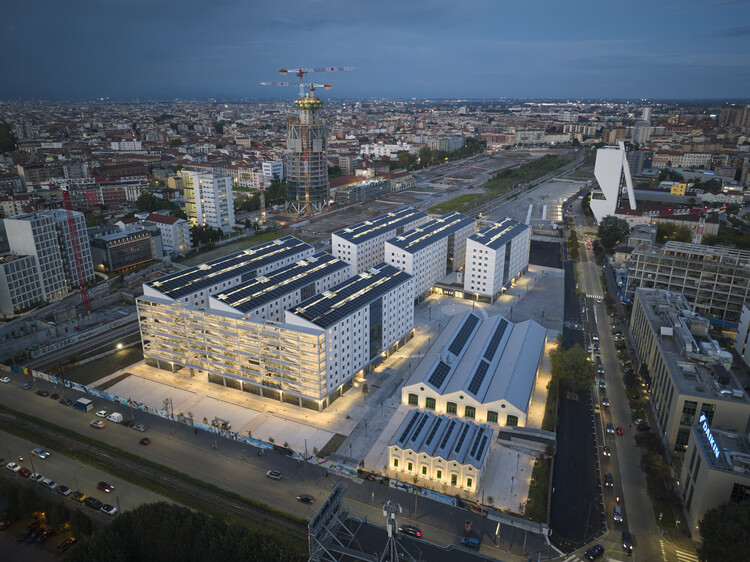 Milano Olympic & Paralympic Village. Image © Dave Burk | SOMMilan’s 2026 Olympic Village by SOM Completed Ahead of Winter Games
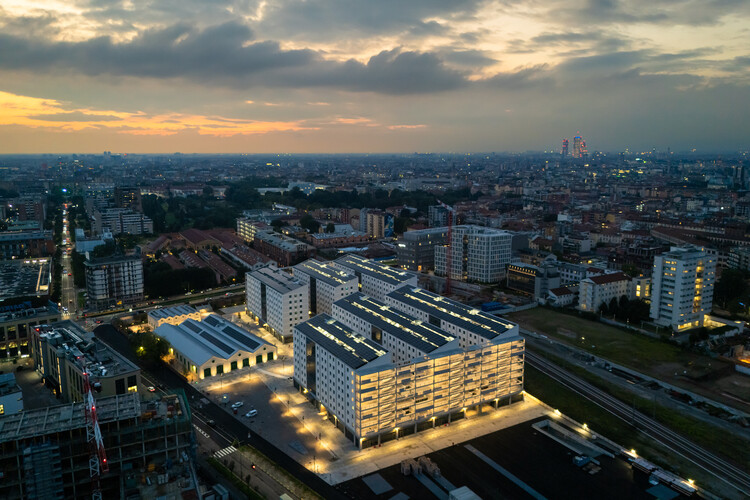 Milano-Cortina 2026 Olympic Village. Image © Alberto FanelliSOM’s Olympic Village for Milano-Cortina 2026 Combines Athlete Housing with Long-Term Urban Use
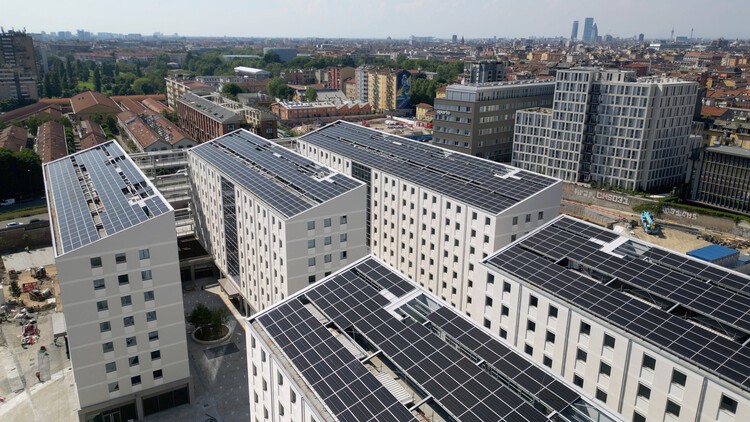 Milano Cortina 2026 Olympic Village by SOM, July 2025. Image © Delbo Andrea via ShutterstockItaly Prepares 15 Sports Venues for the Milano Cortina 2026 Winter Olympics
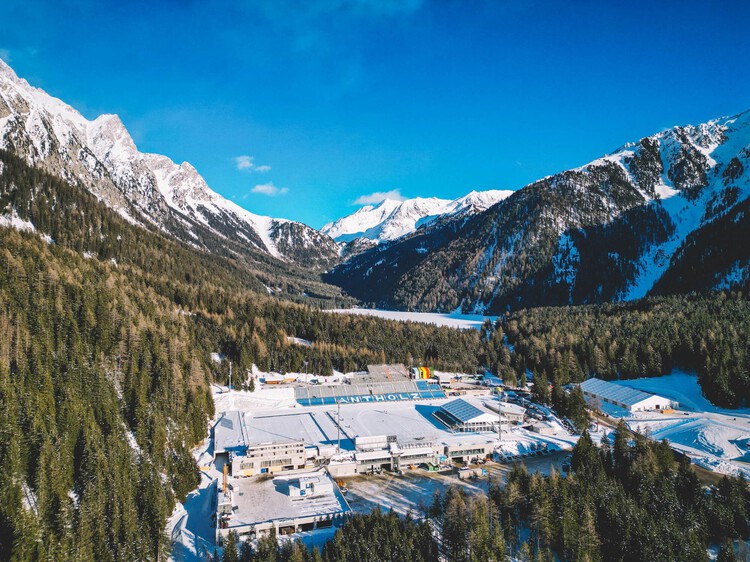 Anterselva. Image Courtesy of Milano Cortina 2026Milano Cortina 2026: How the City Is Preparing for the Winter Olympics
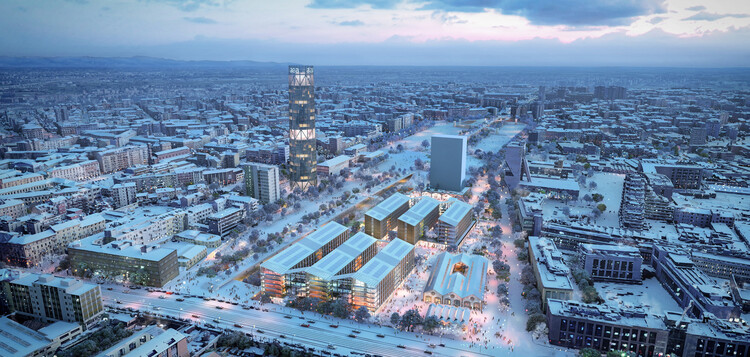 Olympic Village / Skidmore, Owings & Merrill (SOM). Image © SOM | PixelflakesCRA–Carlo Ratti Associati Designs Self-Sufficient Bivouac Pavilion for the 2026 Milano Cortina Winter Olympics
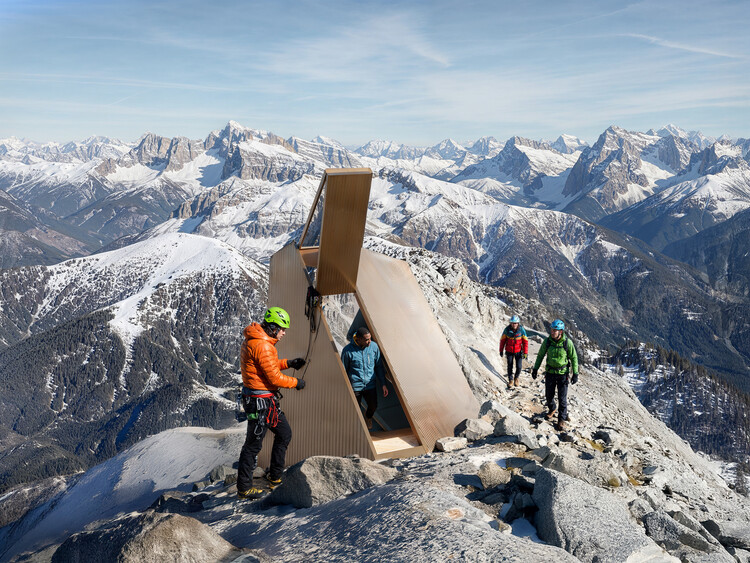 CRA-Carlo Ratti Associati and Salone del Mobile.Milano’s digitally fabricated bivouac. Render. Image © CRA-Carlo Ratti AssociatiCarlo Ratti Designs Olympic and Paralympic Torches for Milano Cortina 2026
 Carlo Ratti, the designer of the Olympic and Paralympic Winter Games Milano Cortina 2026 torch. Image Courtesy of Milano Cortina 2026
We invite you to check out ArchDaily’s comprehensive coverage of Milano Cortina 2026 Winter Olympics.