
 Contrary to popular belief, ammonites, ancient marine mollusks, survived the asteroid impact that wiped out the dinosaurs. Recent fossil discoveries in Denmark indicate some ammonite species persisted for up to 200,000 years after the catastrophe. However, their eventual extinction was likely due to slow ecosystem recovery and limited reproduction, a phenomenon known as ‘Dead Clade Walking’. It is popularly believed that around 66 million years ago, a massive asteroid slammed into Earth, wiping out the dinosaurs and three-quarters of all species, and sent the planet into one of the darkest phases, where the planet was enveloped by a dark cloud of dust, soot, and ashy clouds that prevented sunlight from entering the surface for years.But it is surprising to know that even in such difficult and next-to-negligible chances of survival, there was a creature that stayed put even when the dinosaurs were wiped off the planet.
The species that survived the dinosaur-killer asteroid impact 66 million years ago
Ammonites, the iconic spiral-shelled sea creatures that ruled the seas and oceans for over 340 million years.Earlier, they were supposed to have vanished right with T. rex. But what if they didn’t? Recent fossil discoveries are completely changing what we know about this ancient extinction story, suggesting that these tough mollusks outlasted the initial catastrophe by tens or even hundreds of thousands of years.According to a new study published in Scientific Reports, some ammonites kept swimming long after the impact. This “Dead Clade Walking” surprise challenges everything we knew. Study researchers say, “Our results confirm ammonite survival into the Danian for the bulk of the Cerithium Limestone fauna.”
Ammonites outlive the asteroid impact
For ages, experts figured ammonites bit the dust immediately when the Chicxulub asteroid hit 66 million years ago, triggering ocean acidification and food web meltdowns. But fossils from Denmark’s Stevns Klint, which is a UNESCO site well known for its pristine rock layers, tell a different tale.Researchers, led by Professor Marcin Machalski of the Polish Academy of Sciences, found ten ammonite specimens in early Paleogene limestone, formed well after the Cretaceous–Paleogene boundary. According to the Scientific Reports study covered by IFLScience, these indicate survival for up to 200,000 years post-impact.The fossils belong to genera like Hoploscaphites, Baculites, and Fresvillia. No signs of mismatched sediment or shell damage appeared; instead, natural dissolution voids and sponge spicules matched the Danian-era rock. 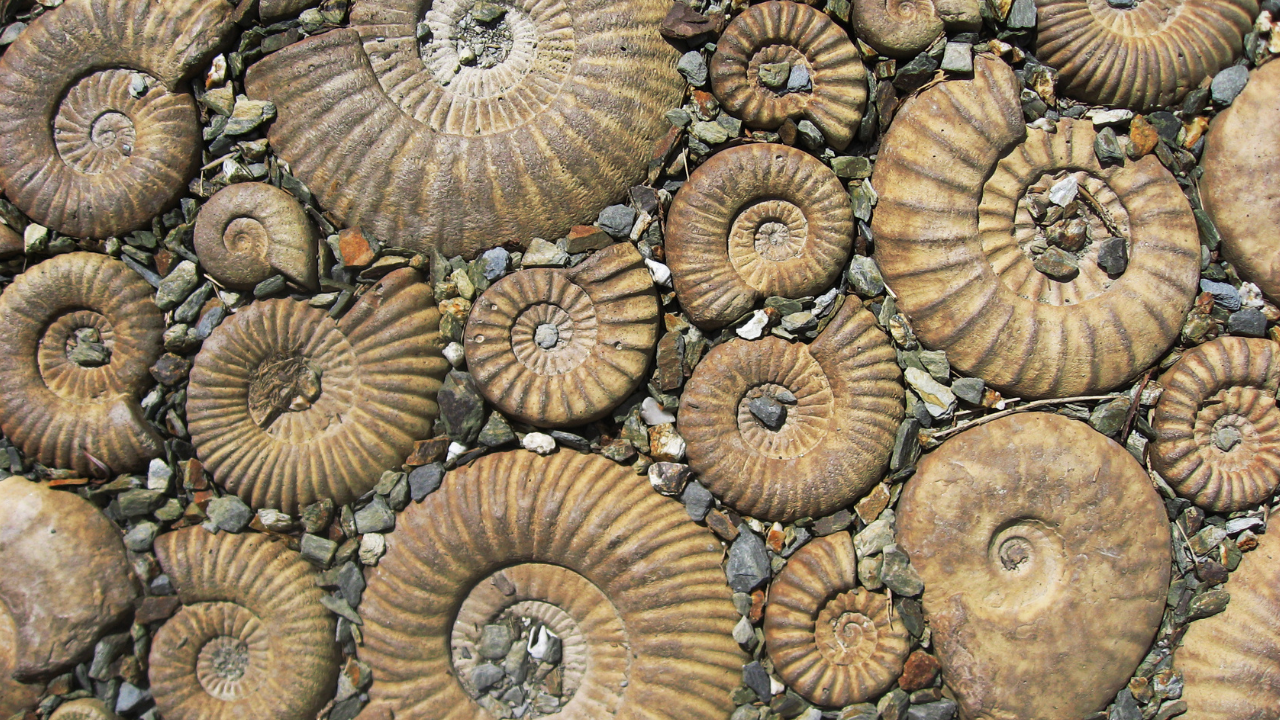
Ammonites
Then why did they go extinct later?
The impact led to furies like tsunamis, wildfires, and a “nuclear winter”, which didn’t finish them off right away. Oceans stabilised chemically over time, but ecosystems lagged. Ammonites, tied to fragile plankton chains, struggled as prey recovered slowly. Limited reproduction and low genetic diversity sealed their fate, different from the deeper-dwelling nautiloids, which live even today. Science.org quotes paleontologist Margaret Yacobucci: “It convincingly shows that some ammonite species did indeed survive the asteroid impact before disappearing for good.” 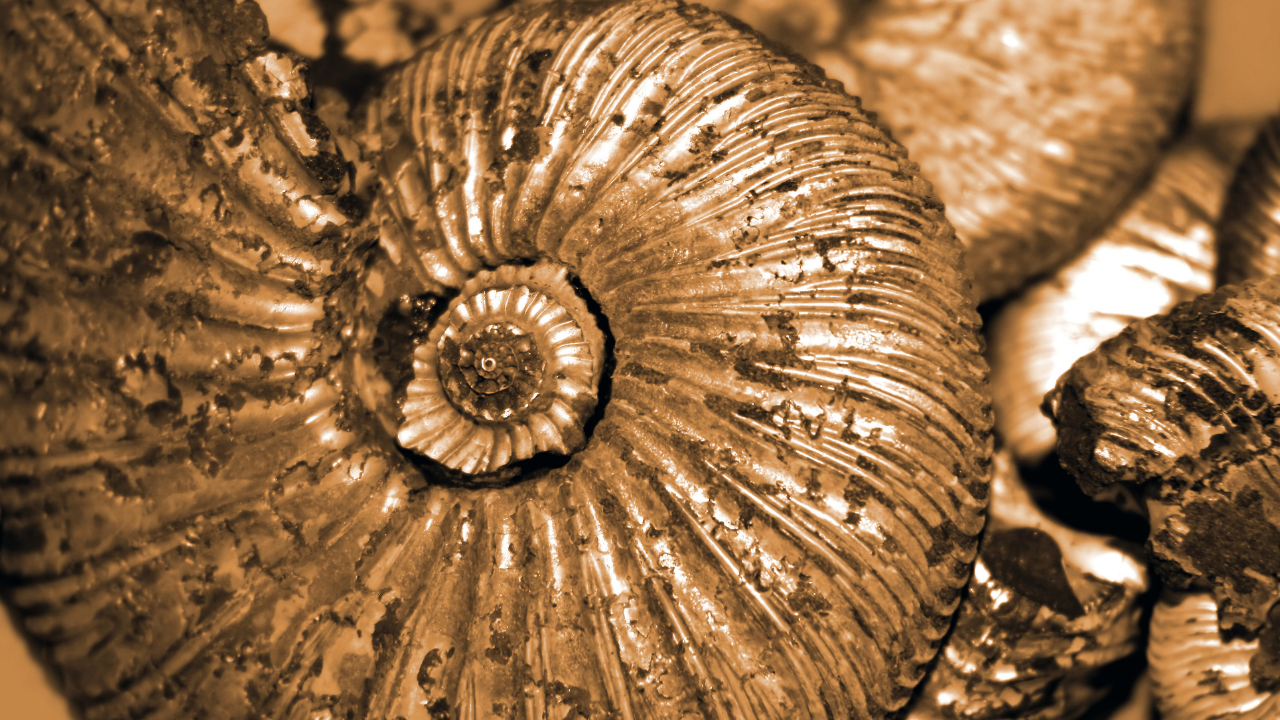
Ammonites
Machalski’s team, examining Sigerslev quarry and Rødvig samples, dismissed old ideas of redeposited fossils. This pattern is similar to the concept called Dead Clade Walking, which describes species surviving disasters but failing later.
Their numbers reduced over time
These ammonites weathered multiple prior mass die-offs but couldn’t hack the long game after K–Pg. Nautiloids’ slower life cycles and habitat flexibility gave them an edge. The discovery calls for caution in reading fossil gaps, as future digs might push timelines further.