
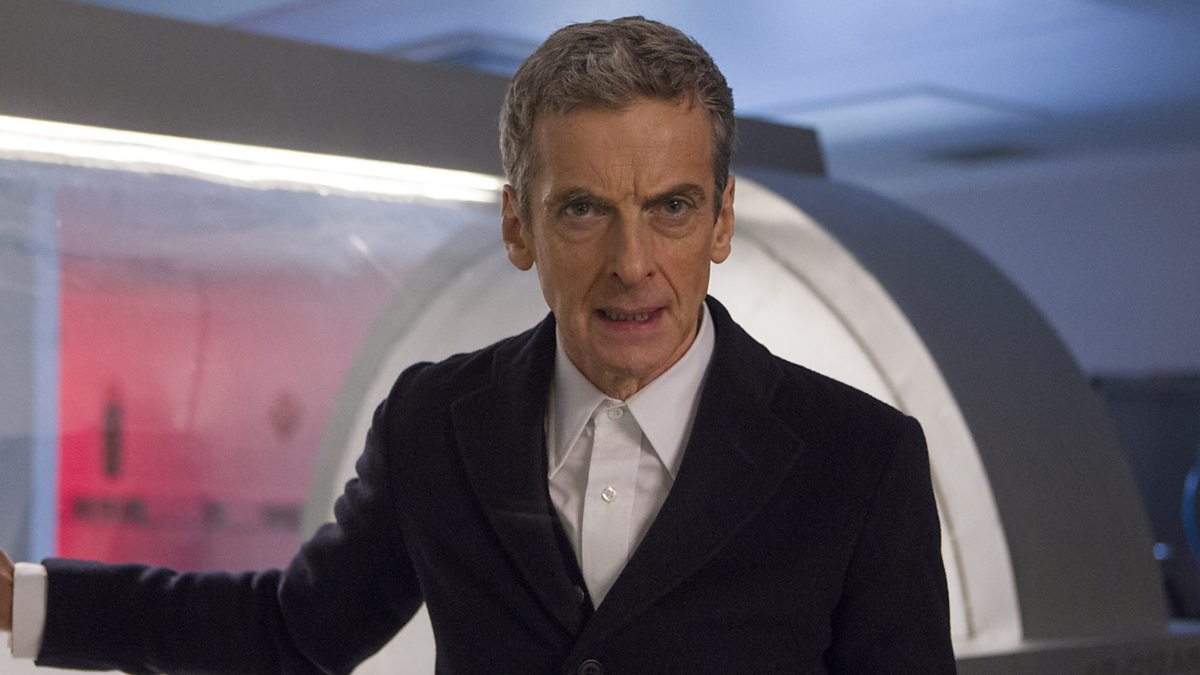
“There were more things that you had to do rather than just, I mean, I think in the old days, if you were John Pertwee or Tom Baker or something like that, you probably, you know, you spend most of your year making it and then a bit of your year promoting it,” he said. “But it wasn’t this in-your-face kind of thing that suddenly was really important to the BBC, or suddenly really important to a brand that had to be maintained.”
Before Capaldi’s first season as the Doctor, the show embarked on a global world tour that spanned seven cities across five continents and featured exclusive previews and fan meet-and-greets. He’s not wrong that it’s hard to imagine anything of that scope or scale occurring during the show’s classic era.
The actor also rightly points out that Doctor Who used to be more overtly targeted towards a children’s audience than the adults of today, who are increasingly likely to buy merchandise, but also much more prone to writing long screeds complaining about some aspect of the show online.
“It was just a show that some kids really loved, and other kids didn’t care about, but wanted to watch football, or you grew out of, you know,” Capaldi said. “It became this sort of very important thing. I think less in a cultural way and more in an economic way.”
While the former Doctor doesn’t specifically reference any storylines from recent seasons or the behind-the-scenes woes the show is currently facing, he certainly seems to feel that the show’s global success has perhaps become more of a hindrance than a help.
“I think the show is a little bit of a victim of its success. You know, the show that I loved was a tiny thing, a little small thing that survived. It just survived, but nobody knew that it was warming its way into the culture in such a deep way. And I think that’s what I have an affinity with.”