
Reading Time: 3 minutes
Holding landowners accountable for the impacts of uncontrolled deer is the next step in controlling deer numbers.
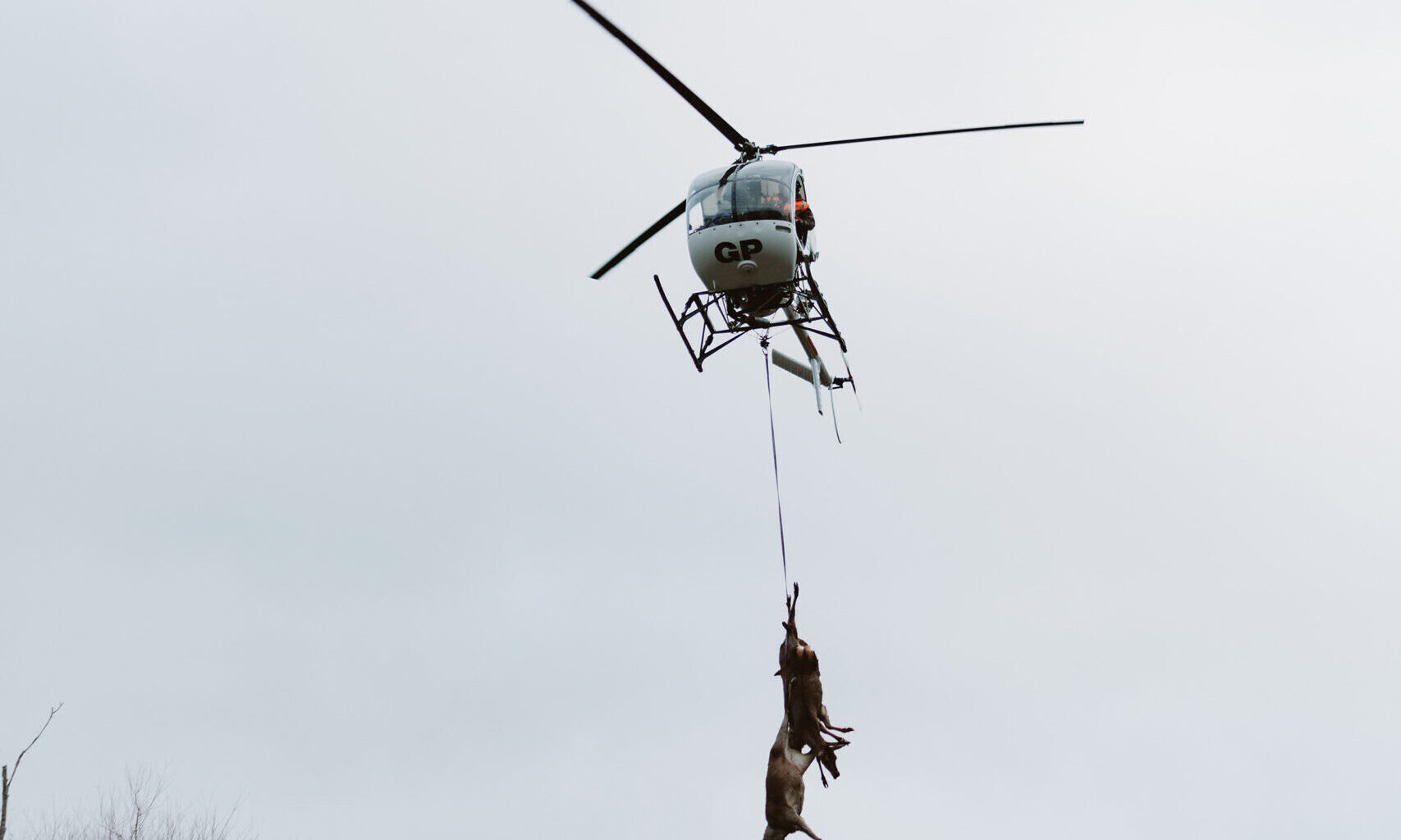
So says the founder of Trap and Trigger NZ, Jordan Munn, who does aerial deer control across New Zealand.
He told Farmers Weekly there needs to be regulatory reform that holds people accountable for the impact deer from their property have on neighbours.
The Department of Conservation has said feral deer numbers are growing by about 30% a year, and Federated Farmers last year called for a national control plan to cover pests such as deer as well as pigs, Canada geese and ducks.
In 2022-23, wild animals populated 83% of sites on public conservation land, up from 63% in 2013, DoC said.
Munn said his work is split in three, with private landowners, local government and national government giving him equal amounts of culling work.
He is not aware of any overarching body managing deer nationally across private and conservation land.
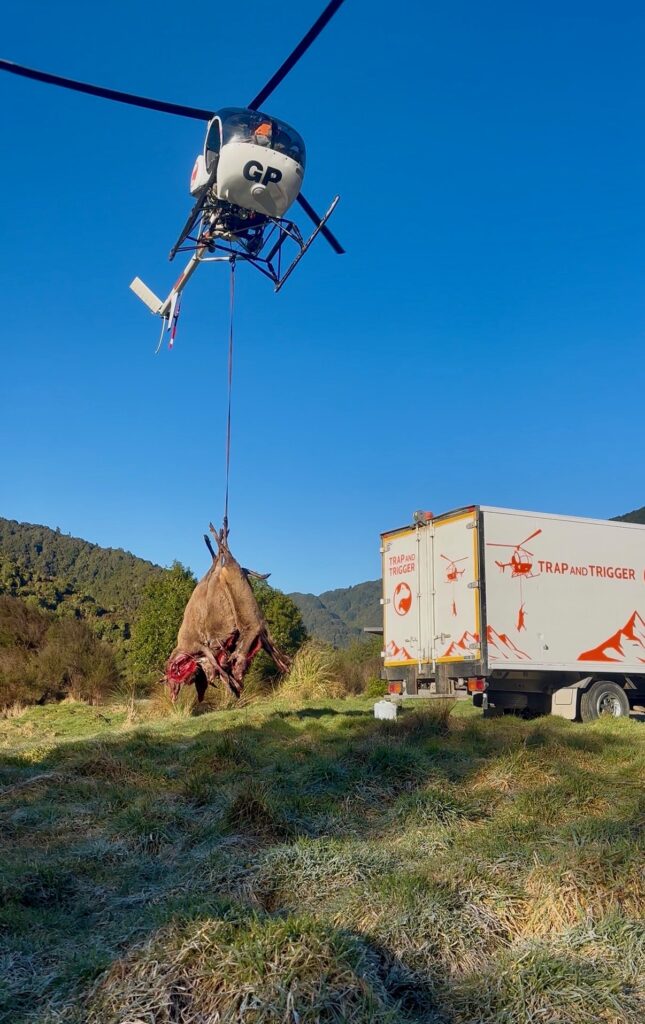 Jordan Munn says deer numbers bounce back. ‘We shot 1200 deer in a week on a 1000 hectare farm. We’ve shot that [farm] every month for the last three years and can still shoot 50 deer a month.’ Photo: Supplied
There are too many conflicts of interest across forestry, public and private land, he said.
When Trap and Trigger wants to sell venison from recovered deer, it often comes up against a conflict of landowner interests.
To sell the meat from culled deer he needs landowners in a 2km radius from a culled property to sign a toxin declaration.
Often neighbours won’t sign the declaration, in an attempt to protect feral deer, he said.
On average deer populations increase 35% annually and a reduction of more than that is required to reduce numbers.
He said his company shoots on average 3000 to 4000 deer per year – and has shot as many as 10,000 deer in a year – but numbers bounce back.
“We shot 1200 deer in a week on a 1000 hectare farm. We’ve shot that [farm] every month for the last three years and can still shoot 50 deer a month,” Munn said.
One of his forestry clients spends $1 million a year on pest control, but deer repopulate forests from neighbouring land, often farmland.
Richard Dawkins, Federated Farmers’ spokesperson on pest issues, said the diverse priorities and values among different stakeholders complicated a national deer management strategy.
Some farmers, for example, like having deer on their property, but others want to eradicate them, with forestry protecting young trees by culling deer, but then easing off once trees are established, he said.
Hunters alone cannot control deer and a “knock down phase” where high numbers are culled through aerial control is likely needed, he said.
Regulations could help councils get deer populations down to sustainable numbers through regional pest management plans, he said.
Farmers reluctant to allow hunters onto their property can use accredited hunters from local deerstalkers associations.
Roy Sloan, general manager of the Fiordland Wapiti Foundation, said regulatory changes addressing access to properties with large deer populations would make control easier.
He echoed Munn, saying accountability is needed when feral deer on one property negatively influence a neighbour’s property.
More facilities to process feral deer have to be built, and disease testing requirements to sell feral deer venison need to be simpler, he said.
Better marketing of wild venison as a quality protein is also key, he said.
Aerial operations aren’t the only fix, with hunters on the ground playing a role, especially when deer retreat to forests.
He said the foundation has shown vegetation monitoring combined with culling means both conservation outcomes and hunter needs can be met.
Mike Perry, DoC wild animals manager, told Farmers Weekly his department manages introduced wild animals on around 1.4 million hectares of public conservation land, mostly to reduce goat browsing pressure.
Wild Animal Recovery Operations (WARO) operators who apply for commercial concessions that DoC manages recovered 3787 deer from public conservation land between July 2024 and June 2025.
DoC contracts aerial and ground shooting, without meat recovery, for wild animal management, he said.