
“There’s a lot of placebo effect,” says Dr. Joan Von Feldt, a past president of the American College of Rheumatology. “And PRP is not reimbursed by insurance, which should be a big red flag.”
In part, the reluctance to give PRP a full-throated endorsement is due to the inconsistency of study results. A randomized clinical trial published in JAMA in 2021 found that PRP injections did not significantly improve knee osteoarthritis symptoms after 12 months. But in 2025, a study published in The American Journal of Sports Medicine determined that PRP injections to the knee provided clinically significant pain relief, though the study’s authors also called out the lack of standardization in PRP protocols.
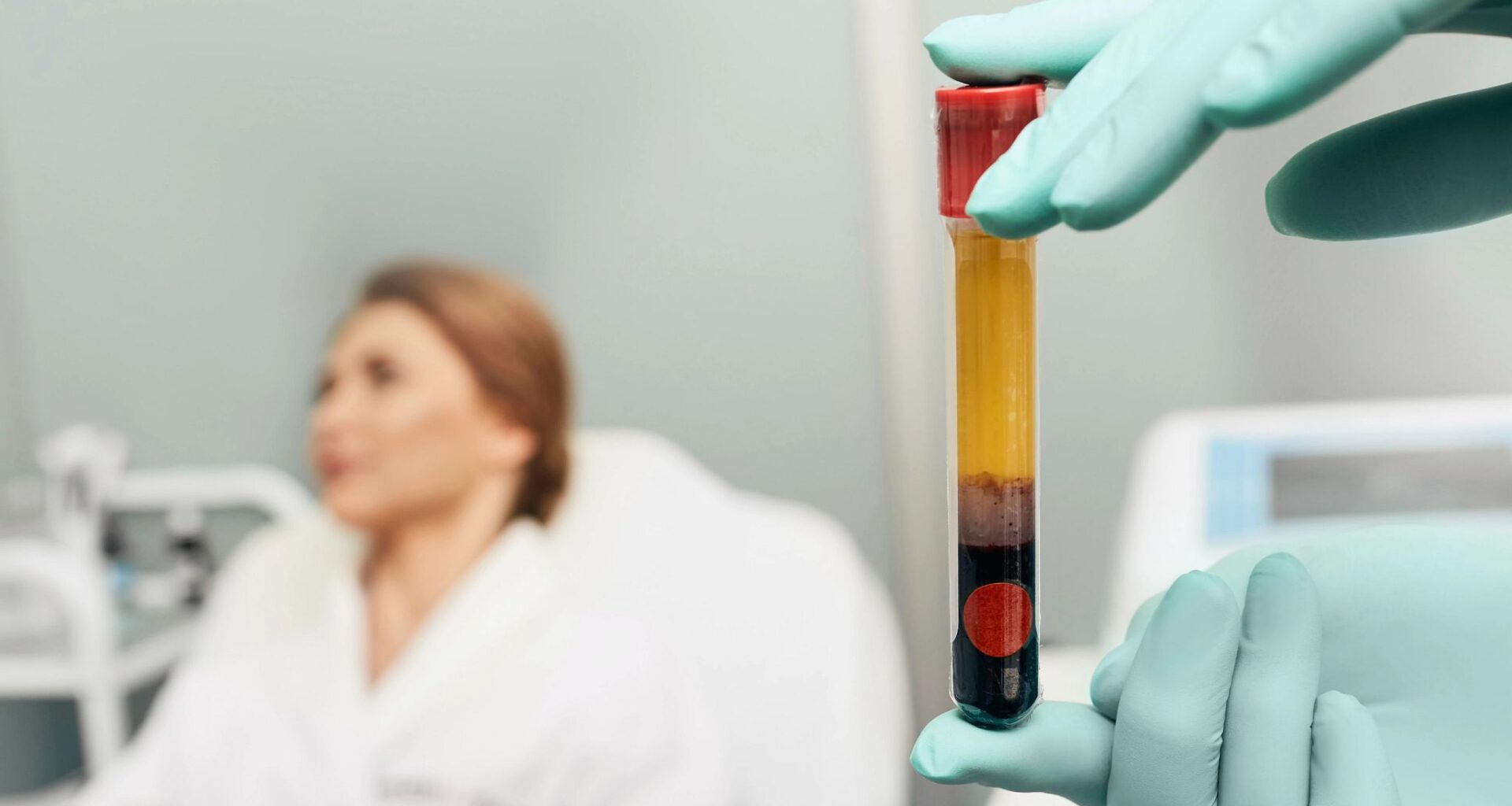
Variations in preparation methods, metrics, data collection and equipment could account for some of the inconsistency. Because PRP is made from the body’s own blood, its quality is also variable.
“Your blood may have 200 platelets, while someone else’s blood may have 20,000 platelets,” says Dr. Bert Mandelbaum, an orthopedic sports surgeon and codirector of the Regenerative Orthobiologics Center at Cedars-Sinai in Los Angeles. Platelet density can fluctuate from day to day, depending on hormones, exercise and foods eaten, among other factors.
“When I prepare my patients, I tell them their own blood is their medicine, so they need to boost it as best they can,” says Dr. Alice Chen, a spine physiatrist with the Hospital for Special Surgery in Stamford, Connecticut. “I recommend they avoid toxins, alcohol and smoking for at least two weeks beforehand. I tell them to eat an antioxidant-rich diet and to reduce or eliminate sugar.”
Still, the results are hard to predict. “Some people improve dramatically, and some don’t,” says Patel. “It’s not a magic wand that cures everybody.”
And the procedure can be expensive as well as unreliable. A number of factors can affect cost, but a single procedure is roughly $500 to $2,500, with patients often returning for more treatments.
“It’s important for the physician and patient to have a realistic discussion on what the outcome may be,” says Dr. Brennan Boettcher, a sports medicine physician at the Mayo Clinic in Rochester, Minnesota. “Some people don’t like paying out of pocket for something that may not help them.”
How PRP is being used
Although PRP therapy is considered investigational, here are some of the conditions that doctors have commonly treated with it and what research says about the results.
1. Arthritic knees, torn tendons, injured ligaments
Despite recommendations against using PRP for osteoarthritis, some of the most promising results from PRP injections have come from their use for musculoskeletal conditions, primarily osteoarthritis of the knees; injuries to tendons and ligaments; and tennis or golfer’s elbow. Older patients often try them as a way to stave off knee replacement surgery.
Still, physicians who administer PRP stress that the results can be mixed and that there is no guarantee it will work.
“Some people are super responders, and some are not,” says Mandelbaum, who has been using PRP injections for more than 15 years. He currently administers a combination of PRP and hyaluronic acid, a lubricant that occurs naturally in the body.
The more severe the condition, unfortunately, the more limited the relief.
“While we do see people with bone-on-bone arthritis benefit, they are less likely to do really well,” says Boettcher. “And with soft-tissue problems like tendons, people with big tears don’t see much benefit from PRP injections. People with partial tears or fraying in tendons are more likely to respond.”