
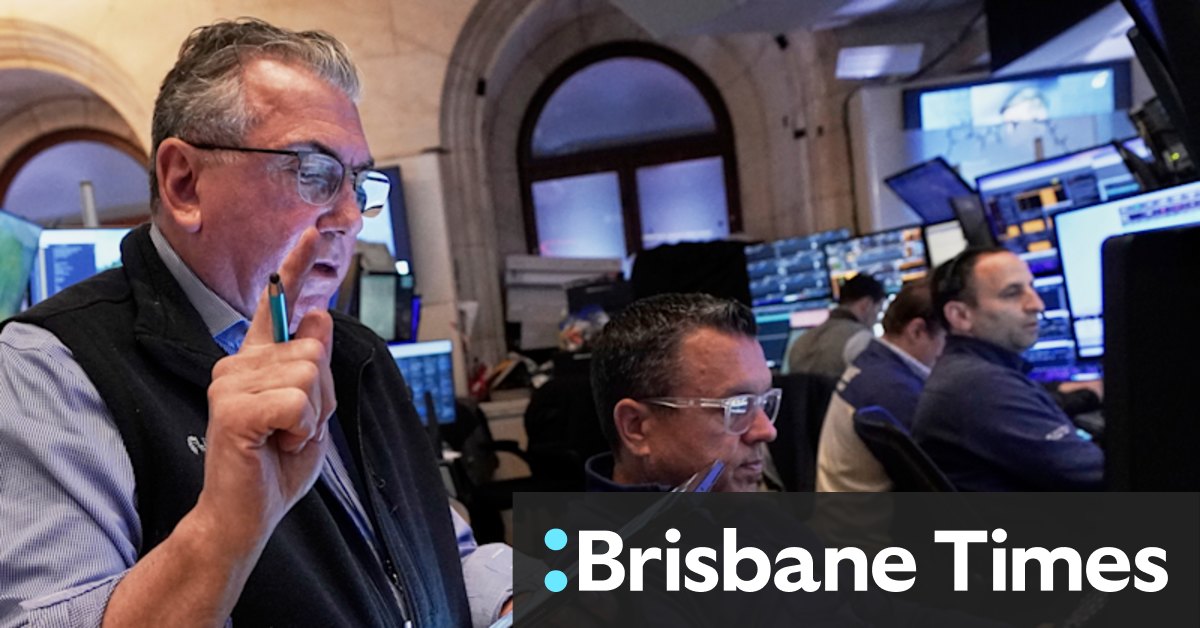
The S&P 500 climbed 0.5 per cent and topped its prior all-time high set last week. The Dow Jones Industrial Average edged up 0.1 per cent, and the Nasdaq composite added 0.9 per cent to its all-time high.
Tesla helped lead the way and rose 3.6 per cent after Elon Musk bought stock worth roughly $US1 billion ($1.5 billion) through a trust. The electric vehicle company’s stock price came into the day with a slight loss for the year so far, and the purchase could be a signal of Musk’s faith in it.
That helped overshadow an early dip for Nvidia after China accused the chip company of violating its anti-monopoly laws. Chinese regulators did not mention a punishment for Nvidia in a one-sentence statement on the matter but did say they would carry out “further investigation”. The stock was down more than 1 per cent in early trading, but has since recovered to near break-even.
The main event for the market will arrive on Wednesday. That’s when the Federal Reserve will announce its latest decision on interest rates, and the unanimous expectation is for its first cut of the year. Such a move could give a kickstart to the job market, which has been slowing.
Stocks have already run to records on the assumption that a cut is coming on Wednesday, though. Expectations are also high that the Fed will keep lowering rates through the end of this year and into 2026. That creates the possibility for disappointment in the market, which would mean drops for stock prices, if the Fed doesn’t end up slashing rates as aggressively as traders expect.
That’s why more attention will be on what Fed chair Jerome Powell says in his press conference following the decision than on the decision itself. Fed officials will also release their latest projections for where they see interest rates and the economy heading in coming years, which could provide another potential flashpoint.
Loading
What’s keeping the Fed on guard is a possible jump in inflation because of President Donald Trump’s tariffs. That’s because lower interest rates can give inflation more fuel and send it even higher. And inflation has so far proven difficult to get under the Fed’s 2 per cent target.
Another threat for Wall Street is if the job market slows too much. In that case, a resulting recession could create a downturn in corporate profits big enough to swamp the benefits that lower interest rates bring in the near term.
Trump, meanwhile, has been pushing angrily for more cuts to interest rates. He’s often attacked Powell personally, nicknaming him “Too Late”, and is pushing for the removal of one of the Fed’s governors from its board.
“‘Too Late’ must cut interest rates now, and bigger than he had in mind,” Trump wrote on his social media network on Monday, using his trademark all-caps style.
On Wall Street, Intel rose 2.9 per cent after trimming its forecast for expenses this year. The move came after it completed the sale of a 51 per cent stake in its Altera business to the Silver Lake investment firm.
Alaska Air Group lost 4.7 per cent after the airline said high fuel costs during the summer would likely cause its third-quarter results to come in at the low end of its forecasted range.
In the bond market Treasury yields eased, continuing their downward run on expectations for cuts to rates by the Fed.
The next big economic update will arrive on Tuesday, when the US government will say how much shoppers spent at US retailers last month