
Woodhams, who has volunteered her time in Wairoa on several occasions, said she and five other dental professionals were completing extractions, fillings and scale and cleans until January 30.
“There have been more than 200 phone calls, there have been people that have just been rocking up … we are just triaging them quickly to try and see patients in between bookings.
“It’s been a little bit overwhelming, but I’m glad that we are here for the two weeks.
“I originally thought just three or four days would be enough, and now I think even if I am here for the rest of the year, we might not catch up.”
Woodhams said the lack of a permanent dental clinic, combined with travel barriers and cost, made it harder for people in the community to access care.
Wairoa has been without an adult dental service since 2020, when a private provider closed, according to the Wairoa District Council.
The Tō Waha dental care initiative is offering free care to those aged 18 and older in Wairoa. Photo / Renee Thompson
Woodhams said it was vital the town got a more permanent solution and encouraged any dentists looking for something new to take up the opportunity.
“Money is just not part of the equation today. We can just go ahead and get you out of pain.”
She said they had one woman come in for treatment, but she had missed the fact that the services were free.
“She was sitting in the chair and getting very anxious. She was like, ‘I hope I have enough money to cover this today’ and we were like, ‘you’re not getting charged for anything’, she couldn’t believe it. She was just about in tears.”
Patients’ oral health needs had become greater because of processed food and diet, Woodhams said.
“We are keeping our teeth for longer.”
The most common issues she had seen by day two were abscesses and infections.
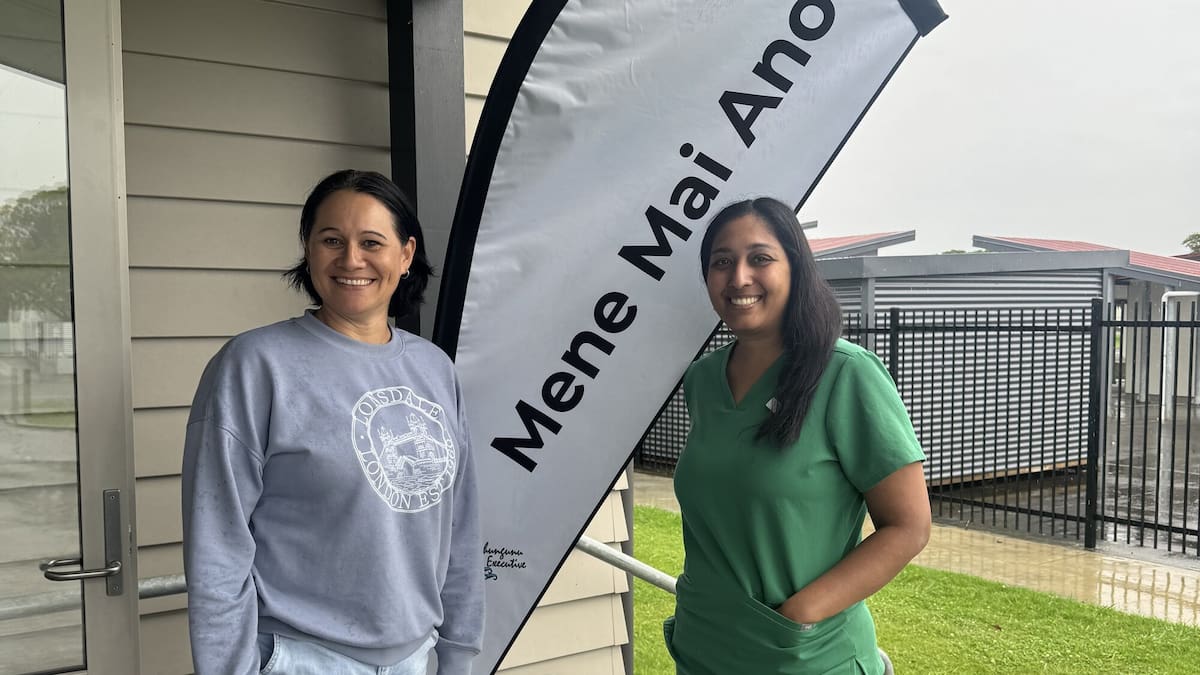
Isha Woodhams said travel was a big factor in people not prioritising their oral health care. Photo / Renee Thompson
Wairoa resident Jason Tamanui said the dentists carrying out the work were greatly appreciated by the community.
The 54-year-old said he had walked in off the street in week one to get a clean and ended up having a tooth extraction.
“It’s a godsend to be honest, the number of people that went through on Tuesday alone, I was only waiting for three hours, and I think I might have counted about 15 people, maybe more.
“They were fast, they were funny and they made my day good.”
He believed the town was struggling to get a permanent dentist because “it’s out of the way”.
Charrissa Keenan, an oral health adviser supporting the Kahungunu Executive, said the last time they did a Tō Waha initiative was in 2022.
“It was to fill that gap in access to dental care locally for whānau in Wairoa.”
Keenan said a limited two-day dental clinic, Mene Mai Ano, operated on Fridays and Saturdays, with plans to scale this up to a fulltime service to meet demand.
She said the two-week service was a boost for those who hadn’t been able to get care.
“We are focusing on whānau with pain, broken teeth, those people with unmet needs and urgent needs.”
Kahungunu Executive general manager Sarah Paku said they were striving towards a medium to long-term solution.
“We have a two-chair mobile unit coming to Wairoa and at the moment it’s sitting in Te Whatu Ora’s carpark. It’s ready to go, it just needs the patient management system to be put in and we need a workforce.
“It’s challenging to get a workforce to come to Wairoa.”
She said the unit would be in Wairoa for five years and would be based at the Dental Hub.
“We are looking to transition from a locum model to a low-cost community model.”
She said the current Tō Waha would relieve Mene Mai Ano, which was paused while the initiative took place. Mene Mai Ano was then booked out with patients until March.
A Health New Zealand spokesperson said Wairoa experienced significant oral health needs, making it an important rural area for a targeted community-led kaupapa like Tō Waha.
The spokesperson said a new mobile unit, which would further improve access, was anticipated to arrive in Wairoa “soon” and be ready to operate once the permanent workforce is secured.
“Shortages in the dental workforce are being experienced nationally, and recruiting permanent clinicians to rural communities such as Wairoa is challenging.”
The spokesperson said Tō Waha helped provide short-term relief while longer-term solutions are put in place.