
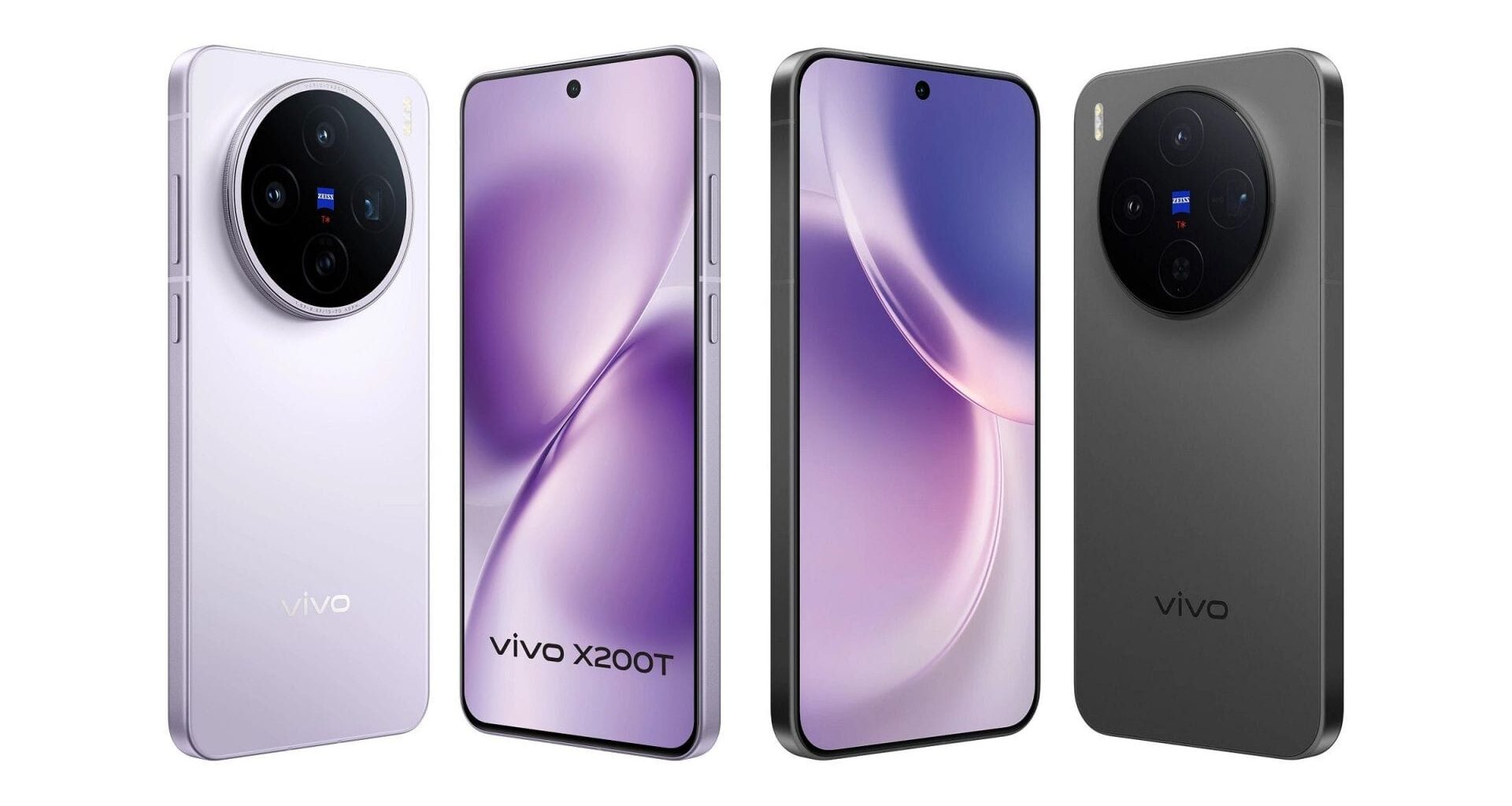

The Vivo X200T and Vivo X300 are two flagship smartphones with a focus on camera performance. They may appear to be the same phone at first glance, but there are differences between them in terms of their displays, performance, cameras, and battery life. The Vivo X200T is also significantly cheaper than the Vivo X300, making the former a more attractive option for some.
The question is: Which Vivo smartphone should you get? Should you buy the more affordable Vivo X200T or splurge on the Vivo X300? Let’s find out with a detailed comparison of the two phones.
Vivo X200T vs Vivo X300: Detailed comparison
Specs comparison
Here are the specs of the Vivo X200T and Vivo X300:
SpecificationsVivo X200TVivo X300Display6.67-inch AMOLED panel
1.5K resolution
120 Hz refresh rate
2160Hz PWM
5000 nits peak brightness6.31-inch AMOLED panel
1.5K resolution
120 Hz refresh rate
2160Hz PWM
4500 nits peak brightnessChipsetMediatek Dimensity 9400+Mediatek Dimensity 9500Operating systemAndroid 16 with OriginOS 6Android 16 with OriginOS 6Memory & storage12 GB RAM
256 GB/512 GB internal storage (UFS 4.1)12/16 GB RAM
256 GB/512 GB/1 TB internal storage (UFS 4.1)Camera setup50+50+50 MP rear camera setup
32 MP selfie camera200+50+50 MP rear camera setup
50 MP selfie cameraBattery and charging6,200 mAh battery
90W wired fast charging
40W wireless/Qi fast charging6,040 mAh battery (Global)
5,360 mAh (EU)
90W wired fast charging
40W wireless/Qi fast charging
Design, build quality, and display
The design of the Vivo X300 (Image via Vivo)
Both the Vivo X200T and Vivo X300 feature a premium metal-and-glass sandwich design, which is quite popular among flagships. The metallic frame adds rigidity while the glass makes the devices look and feel more premium. Moreover, both phones have the same design with the same round camera module on the back, although the Vivo X300 is noticeably (albeit slightly) lighter. Therefore, while they both have similar durability, the Vivo X300 is better in terms of in-hand feel.
When it comes to protection, both the Vivo X200T and Vivo X300 have the same IP68/69 rating. They also have display protections, but from lesser-known brands. As for their displays, the Vivo X200T and Vivo X300 both have extremely high-end screens with all the same features, except for LTPO. Only the X300 has LTPO, which allows it to dynamically change its display’s refresh rate between 1 and 120Hz to deliver smoother animations when using the phone and save battery when not.
Performance and gaming
The Vivo X300 features a flagship chipset (Image via Vivo)
The Vivo X200T is powered by last year’s MediaTek Dimensity 9400+, while the Vivo X300 features the latest Dimensity 9500. They are both flagship chips and deliver such high performance that most people won’t be able to tell any difference between them, even when gaming. However, technically, the Dimensity 9500 has a 15 – 20% faster CPU and 5 – 8% faster GPU than the 9400+.
Read more: Motorola Edge 70 vs POCO F7: Which is the better phone?
Camera performance
The Vivo X200T features a triple camera sensor (Image via Vivo)
The Vivo X200T features a 50+50+50MP triple-rear-camera setup, while the Vivo X300 is equipped with a 200+50+50MP combination for its back camera. The only difference between the two camera setups lies in their main-camera sensors. The Vivo X20T features a 50MP sensor for its main camera, while the X300 has a 200MP one.
I have always mentioned that it’s not the megapixels that matter but rather the sensor. However, the sensor inside the 200MP camera is actually better in this case. As a result, the Vivo X300 delivers more detailed images with wider dynamic range and lower noise levels than the Vivo X200T from the main camera. When it comes to the periscopic telephoto and ultrawide cameras, both phones take extremely similar photos. The quality of these photos is good, with high detail levels, natural colors, and overall clean-looking images.
When taking pictures at night, the Vivo X300 takes the lead once again on the main camera. The difference in the two phones’ camera performance is more noticeable at night, with the X300’s images being brighter. This can be attributed chiefly to the device’s main camera’s larger sensor size, as nighttime shots taken using the other two rear cameras are similar for both phones.
When it comes to the selfie camera, the Vivo X300 captures selfies with more facial details and slightly more natural skin tones compared to the Vivo X200T. Therefore, the former wins in the camera department overall, but it’s not a huge victory. Both smartphones are capable of taking really great pictures.
Battery, charging, and pricing
The Vivo X200T is equipped with a large battery (Image via Vivo)
When it comes to battery life, the Vivo X200T has a slightly larger battery than the Vivo X300, but the latter has a more power-efficient chipset. Therefore, they should deliver extremely similar battery life. On a single charge, both phones will easily last around two days.
However, please note that the Vivo X300 has a smaller battery capacity in the EU, which is not the case with the X200T model. Therefore, EU residents should be cautious, but there are no such issues for Indian users.
Both the Vivo X200T and Vivo X300 feature the same 90W wired fast charging and 40W wireless/Qi fast charging. Therefore, it’s a tie here. As for pricing, the Vivo X200T starts at ₹59,999 on Flipkart, while the Vivo X300 begins at ₹75,999. This makes the latter 26.7% more expensive.
Which Vivo smartphone should you get?
The Vivo X300 features a lighter body, better display, faster processor, and higher-quality cameras than the Vivo X200T. However, the differences are not significant enough to be noticeable. Even when comparing them side-by-side, most ordinary users won’t be able to tell the difference. The X300 model is the better smartphone, but it is also 26.7% more expensive, making the Vivo X200T the more reasonable and recommendable option.
Read more: XIAOMI Pad 7 vs Apple iPad 2025: Which is the better tablet?
Why did you not like this content?
Cancel
Submit
Was this article helpful?

Thank You for feedback
Edited by Niladri Roy