
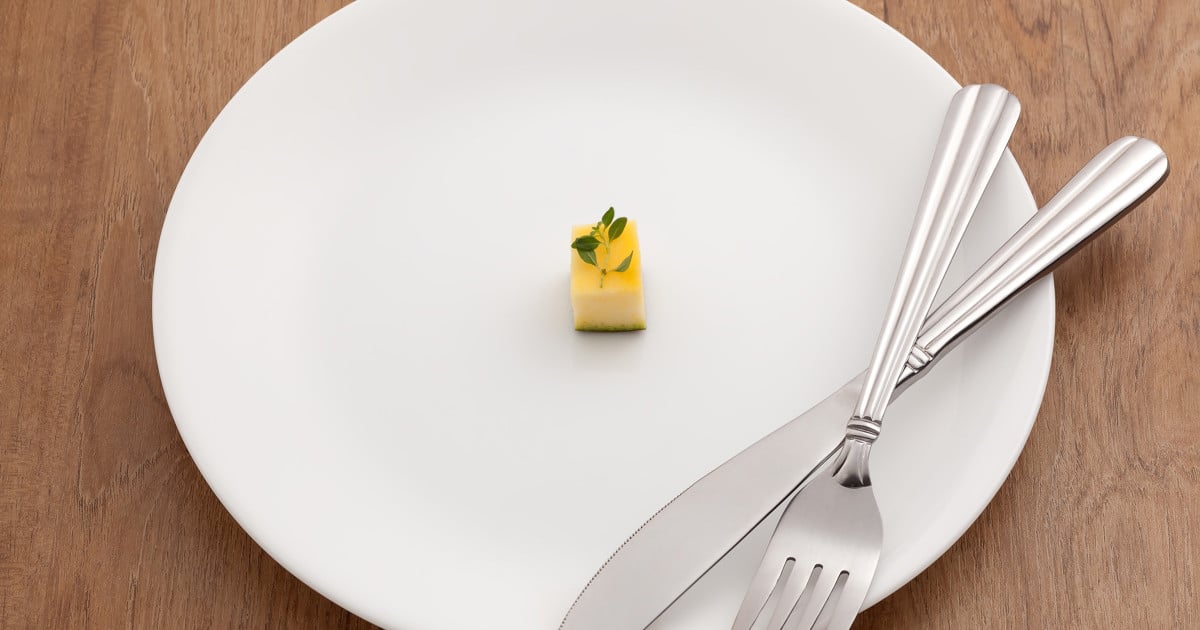
Weight-loss drugs such as Ozempic, Wegovy and Mounjaro are beginning to reshape global eating and drinking habits, with knock-on effects for tourism and hospitality industries, including in South Africa.
In key markets like the United States and the United Kingdom, millions of people using GLP-1 drugs are eating out less often, drinking less alcohol and consuming smaller portions, prompting restaurants to rethink menus and pricing.
Rachel Irvine, CEO and founder at Irvine Partners, has been looking into this growing trend. She says the shift is not a fad but a long-term behavioural change.
“I think it was the supermodel Kate Moss who very famously in the early 90s said, ‘Nothing tastes as good as skinny feels’. Certainly, the wave of Mounjaro, Wegovy, and Ozempic use that we’ve seen in the UK and in the United States of America would certainly seem to echo that sentiment.
“There is an estimate that 7% of UK adults today are taking GLP-1 drugs for weight loss, which has led to one in three eating out less often, and nearly a quarter, roughly about 23%, are drinking less alcohol.
“In the United States, a Bloomberg Intelligence report found that 54% are dining out less frequently and have cut back on takeaways. The numbers are mind-boggling.
“Hospitality here in the UK has certainly had to adapt and pivot and start offering what they like to call GLP-1 menus, and the South African hospitality industry is going to have to do something similar.
“There’s no sector that can afford to be stubborn. This is coming. It’s already here.”
She notes that rather than focusing on volume and indulgence, restaurants may need to offer smaller, higher-quality meals, innovative low-alcohol options and experiences that justify pricing, as global consumer habits continue to evolve.
To listen to Irvine in conversation with CapeTalk’s Lester Kiewit, use the audio player below: