
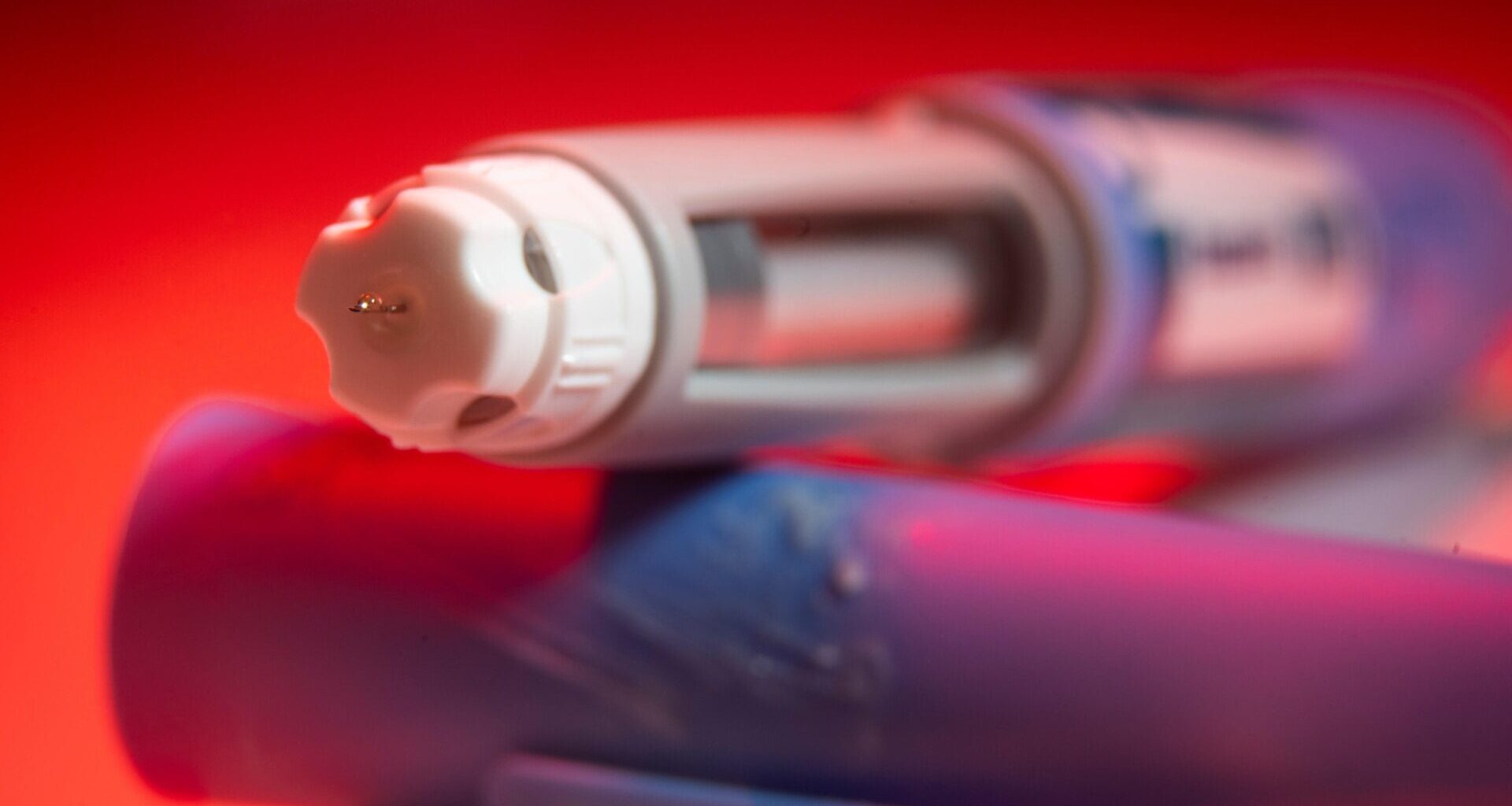
The growing popularity of GLP-1 drugs like Ozempic and Zepbound is having some unfortunate consequences. Namely, that some people, including children, are overdosing on the medications.
This week, Indiana news outlet WTHR reported on the harrowing case of Jessa Milender, a then 7-year-old girl who experienced searing pain and constant vomiting after taking her mother’s GLP-1 injection. The girl ultimately recovered, though not without having to be repeatedly hospitalized. Similar reports of poisonings tied to GLP-1s have skyrocketed in the state and nationwide as of late.
“She couldn’t walk from exhaustion and severe pain,” Melissa Milender, Jessa’s mother, told WTHR. “She wouldn’t even allow them to touch her stomach. She’d scream out in pain in her sleep. It was awful.”
A tragic mistake
GLP-1 drugs like semaglutide (Ozempic and Wegovy) and tirzepatide (Zepbound and Mounjaro) have changed obesity treatment for the better, allowing people to lose significantly more weight on average than they would with diet and exercise alone. But like any drug, GLP-1 medications have their side effects, which are typically gastrointestinal. These side effects can be worse when people take more of the drug than prescribed or when people who shouldn’t take it end up doing so. There have even been cases of people getting sick from counterfeit medications containing other drugs.
According to medical records viewed by WTHR, Jessa injected her stomach with her mother’s Mounjaro around December 16, 2024. Melissa soon noticed what happened and called her local poison control center. The center advised her that Jessa would likely experience symptoms like vomiting and abdominal pain. However, the warning hardly prepared the family for what came next.
Jessa started severely vomiting hours after the injection, to the point that she couldn’t keep a glass of water down. She was admitted to a local medical center on December 18, where she was given medication and an IV. She went home the next day and seemed fine that night. But soon enough, the vomiting returned—10 to 15 times a day, her parents reported. She was readmitted to the hospital, and doctors feared that her kidneys were at risk of shutting down, according to medical records. Thankfully, despite two more days in the hospital, Jessa’s symptoms did eventually abate, and she was discharged on December 23.
Over a year later, Jessa has fully recovered from her ordeal, her family said.
A growing trend
Severe cases like Jessa’s are rare, but reports of GLP-1 overdoses are generally increasing.
The Indiana Poison Center told WTHR that poison control calls linked to GLP-1s doubled last year, from 153 calls in 2024 to 320 calls in 2025. The national organization, America’s Poison Centers, has also reported a dramatic spike, with a nearly 1500% increase in calls related to injectable weight loss drugs since 2019. Between 2019 and 2025, there were roughly 23,000 such calls made to poison centers nationwide.
Most of these reports concerned people who accidentally overdosed on their prescribed medication, but some involved children who took medications not intended for them. And with GLP-1 therapy only looking to become more accessible, cheaper, and even easier to take over time, the danger of poisonings and overdoses will likely rise along with it.
Experts recommend that people carefully read their dosing instructions, purchase their medications from reputable sources, and keep their supply safely secured from children curious enough to try it for themselves.
That last tip is a lesson that Melissa Milender has learned firsthand. She now stores her GLP-1 medication in a lockbox.