
Some would swear that 1996 peaked before it even began when, on New Year’s Day, Michael Bevan steered Australia to a miraculous victory against the West Indies in a One Day International.
It’s a big call, because what followed was a cultural avalanche.
Blockbusters like Independence Day, Twister, and Mission Impossible blew up the box office. The Olympics made sure Atlanta, Georgia was on all our minds. George RR Martin dropped the first Game of Thrones novel, and we all know what happened from there.
Then came the music. A year so stacked it feels mythical: 2Pac gave us one last masterpiece, the Spice Girls rewrote the rules of pop, and Rage Against The Machine set our speakers and our brains on fire.
But these 10 albums are the ones that still echo the loudest. How can they possibly be 30 years old?
Weezer — Pinkerton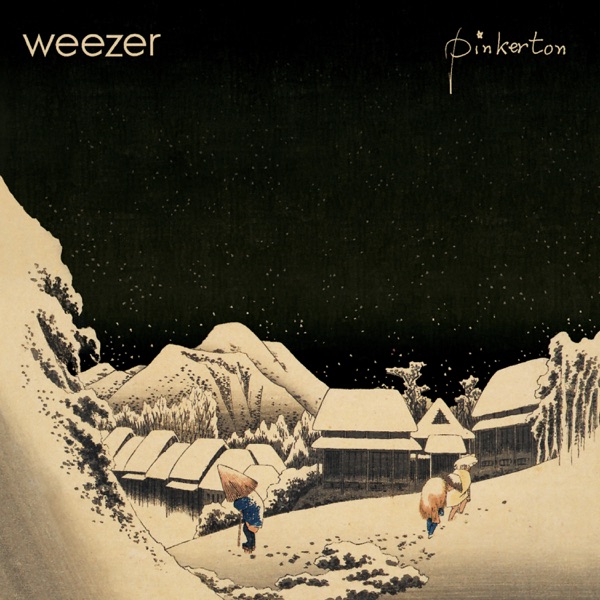
Weezer’s second album Pinkerton is full of intimate angst against stadium-sized production. (Supplied: Geffen Records)
Pinkerton, Weezer’s second album, is a complicated piece of art.
A flop upon its release, today this 10-track emotional rollercoaster is considered by devotees to be one of the finest rock records of the 90s. A precursor to the emo wave, Pinkerton finds Rivers Cuomo unapologetically bleeding onto the page — obsessing over women, loneliness, and the ache of desire.
Critiques of Cuomo’s handling of intimacy are justified: from the awkward pen-pal fantasy with a Japanese fan in Across the Sea, to mourning a crush’s sexuality in Pink Triangle, to El Scorcho — a Hottest 100 top 10 hit that turns unrequited love into a painfully relatable anthem.
It’s rare to hear heartache rendered this unvarnished. Cuomo pairs skyscraper-sized choruses with gut-spilling honesty, making Pinkerton both unsettling and deeply familiar.
Call it the zenith of emotional rock or dismiss it as proto-incel fodder — either way, Pinkerton will make you feel something. If you’re still hungry, there’s always Songs From the Black Hole. But that’s a rabbit hole for another day.
Nick Cave & The Bad Seeds — Murder Ballads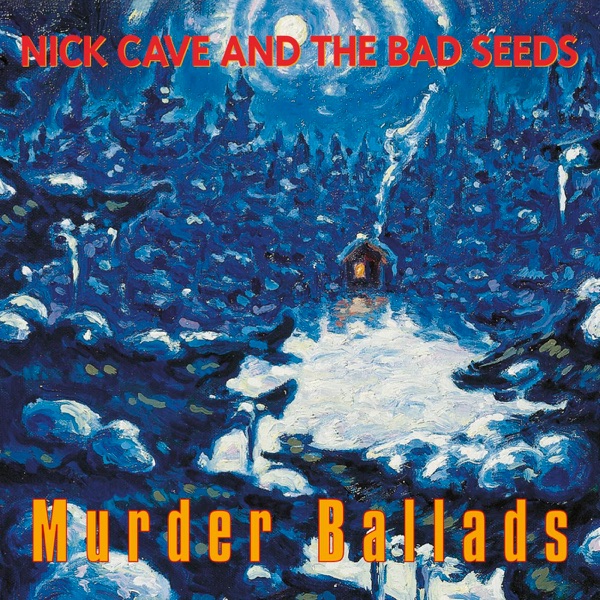
Murder Ballads sits between Nick Cave’s acclaimed 90s albums Let Love In and The Boatman’s Call. (Supplied: BMG)
It was a surprise to nobody that the tall, dark punk-poet of Australian rock was a fan of murder ballads — the gruesome folk music tradition dating back to the 18th century.
On his ninth album with The Bad Seeds, Nick Cave relished in a rogue’s gallery of homicidal criminals, vengeful women, and serial killer schoolgirls.
In the swaggering, sweary Stagger Lee and gothic Henry Lee, singing opposite PJ Harvey, Cave remade traditional songs in his own image. More salacious than the violent imagery was the then-shocking coup of enlisting Australia’s pop princess Kylie Minogue for the macabre duet Where the Wild Roses Grow.
Liberated from singing about himself, Cave’s enthusiasm for the material prompts engrossing performances, his gothic tales scored by the claustrophobic rumble and rousing of The Bad Seeds.
But Murder Ballads wouldn’t work, or endure, if it was merely preoccupied with the morbidity of it all. It can be unsettling, certainly, but this material also achieves an unlikely poignancy about the nature of death — a topic Cave would return to in even more personal and profound ways later in his career.
Spiderbait — Ivy and the Big Apples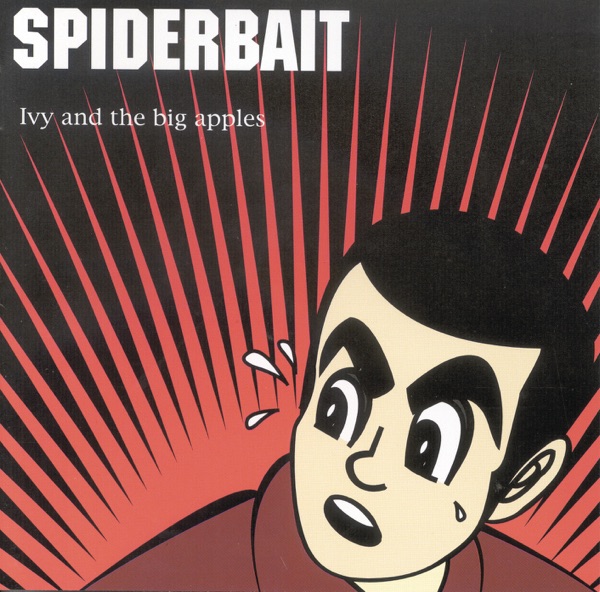
Their hooks grabbed us, but Spiderbait’s bold and diverse sound kept us intrigued. (Supplied: Polydor Records)
While it was spearheaded by three magnificent, easily palatable singles, Spiderbait’s 1996 album Ivy & The Big Apples is a far more esoteric ride than many might have expected.
Those seduced by the pop immediacy of Calypso, the venomous punch of Buy Me A Pony, and the shimmering noise-pop of Hot Water & Milk soon found themselves knee-deep in experimental metal and psychedelic fusion — a fearless sonic free-for-all from a band hellbent on pushing boundaries.
It’s a riotous listen: from the feral snarl of Don’t Kill Nipper to the pit-friendly chaos of Conjunctivitis, capped by the acoustic wink of Goin Off — tracks that begged us to pogo, laugh, and revel in the absurdity of it all.
Ivy & The Big Apples wasn’t just bold, it was a blockbuster. Double platinum sales and the historic feat of becoming the first Australian act to top the triple j Hottest 100 cemented Spiderbait’s place in the pantheon.
Fiona Apple — Tidal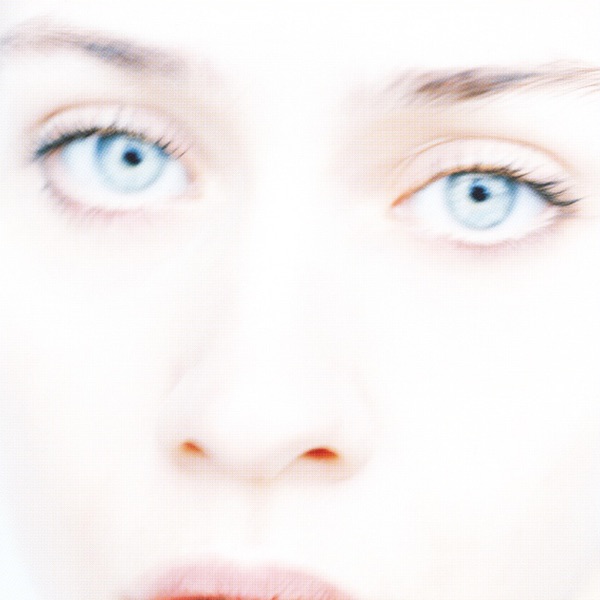
Fiona Apple’s Tidal went Platinum in the US within the first year of its release. (Supplied: Sony)
Not many young artists have arrived with such a fully formed identity on their debut album as an 18-year-old Fiona Apple did with Tidal.
She’d been studying jazz piano since age eight and penning songs since age 12, yet still stoked all manner of “wise beyond her years” cliches from (generally male) rock critics at the time.
Regardless, the New York singer-songwriter was likened to forebears such as Nina Simone and Joni Mitchell, and recognised as equal to contemporaries such as Alanis Morisette, Tori Amos, and PJ Harvey.
Best known for Shadowboxer and Criminal (alongside its sultry video) — a song written to appease her record label wanting a hit single — Tidal contains all the depth and mercurial attitude its title suggests.
Its waters can be calm and inviting one moment, rage with stormy intent the next. Many tracks confidently saunter past the five-minute mark, Apple’s ivories and mature, mesmerising vocals augmented by session musicians and multi-instrumentalist Jon Brion.
More importantly, Apple distils the weight and pain so many young women carry into quietly defiant songs. Whether exorcising the trauma of sexual assault in Sullen Girl or harnessing the power of exiting a toxic relationship on Sleep To Dream, she doesn’t come off as wounded so much as thick-skinned and self-empowered.
The first of five dense, rewarding albums, Tidal established Fiona Apple’s career-length dedication to uncompromising artistry, her poise and purpose becoming a wellspring for so many to draw from.
Fugees — The Score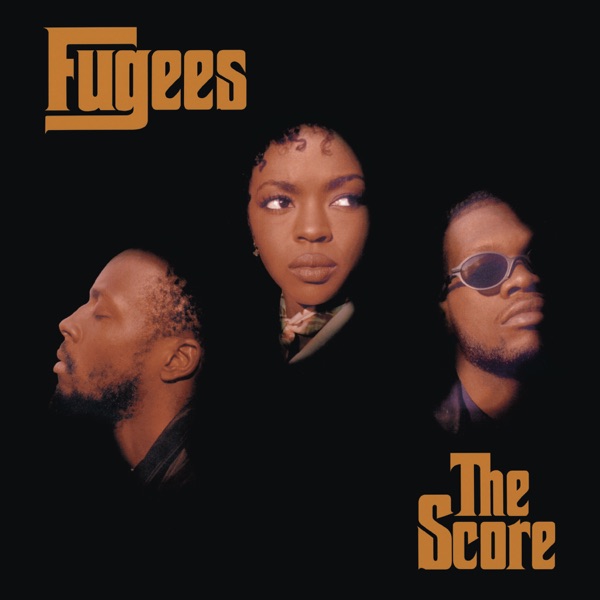
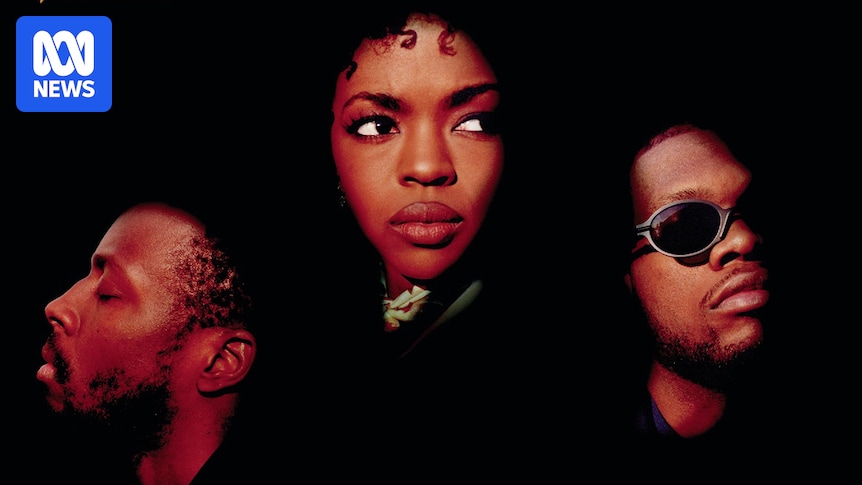
The Score wasn’t just a big album for the Fugees, it was a huge moment for hip hop in general. (Supplied: Columbia Records)
In 1996, Fugees ruled Australian charts: their reimagining of Roberta Flack’s Killing Me Softly was the year’s second-biggest hit. Yet that pop triumph barely hints at the artistic weight of their second album, The Score — a visionary record that foreshadowed hip hop’s future.
By marrying neo-soul warmth with forward-thinking hip hop, The Score invited mainstream listeners in, largely sidestepping the controversy that dogged gangsta rap.
Behind its polished veneer — largely built by the group themselves — The Score smuggled in diss tracks (Ready or Not) and intellectual flexes (Zealots), dismantling the lazy caricature of hip hop’s priorities.
By weaving dancehall and Caribbean textures into the mix, Fugees honoured their roots while expanding hip hop’s palette for a generation of listeners and beat-makers.
Chart-topping success and two Grammys were just the beginning. The Score’s real legacy lies in its blueprint: a middle ground between raw rap and lush soul that paved the way for Kendrick, SZA, The Weeknd, Doja Cat, and countless others.
Since The Score, the Fugees’ story has veered into chaos. Lauryn Hill served time for tax evasion and drew fan ire for her chronic lateness. Wyclef Jean’s failed 2010 bid for Haiti’s presidency was followed by controversy over his charity’s finances. And in November, Pras Michel was handed a 14-year sentence for funnelling foreign money into Barack Obama’s 2012 campaign.
The group didn’t last, but The Score endures: a towering achievement that reshaped hip hop and bent pop music to its will.
Spice Girls — Spice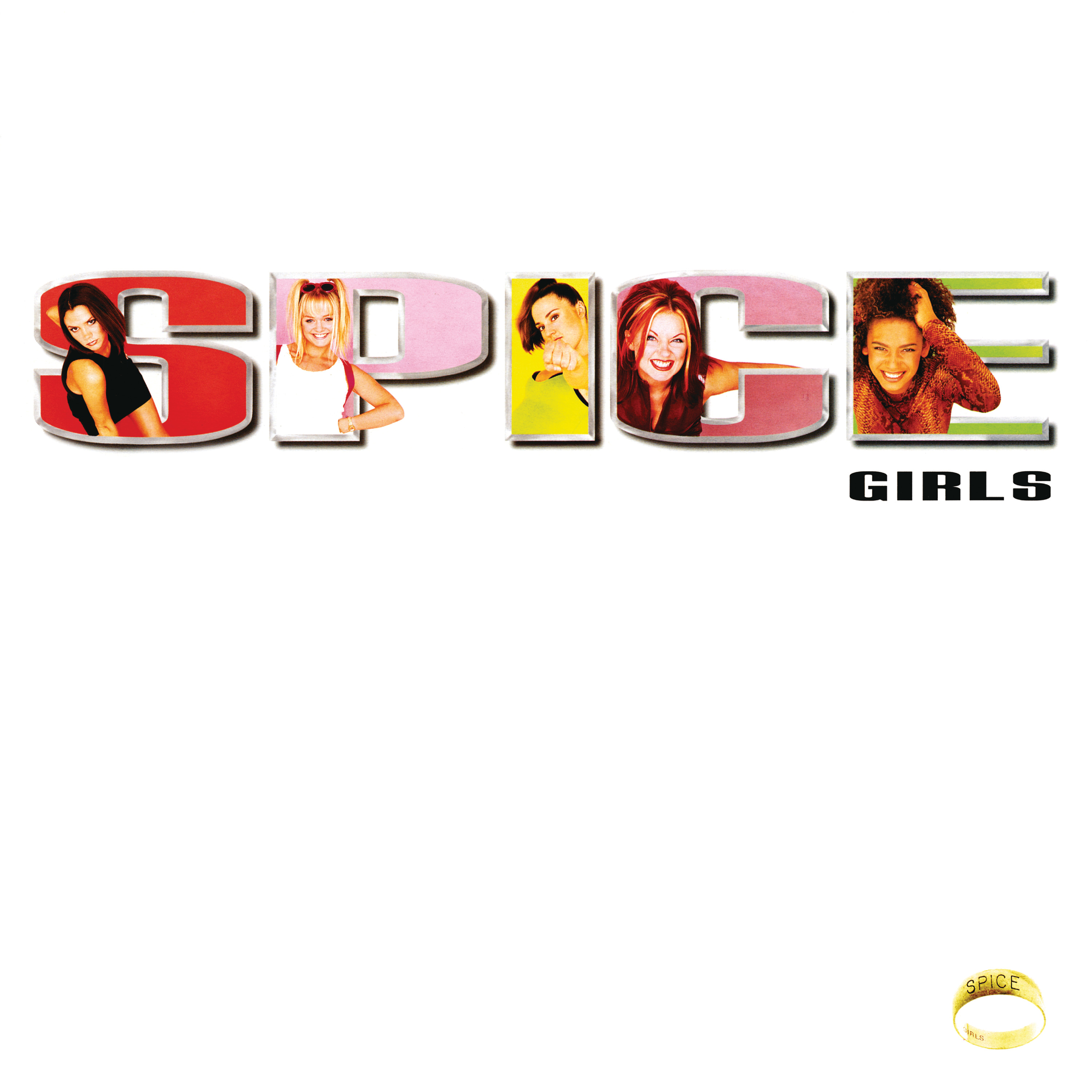
Spice went multi-platinum in 19 countries, including Australia, where it has shifted more than 420,000 copies. (Supplied: Virgin Records)
Posh, Baby, Sporty, Scary, Ginger. Essential herbs in a recipe for global domination that, more than 100 million in album sales later, made the Spice Girls one of the best-selling girl groups of all time.
However, in mid-90s England, “pop music was a bit of a dirty word,” Melanie Chisholm, aka Sporty Spice, told Zan Rowe for Take 5. “And girls were a little bit overlooked.”
Arriving after the dude-dominated grunge and Britpop movements, and amid boy band vocal groups, Spice was a powerful retort.
From the opening strains of Wannabe, the Spice Girls asserted their individual archetypes in a diabolically catchy manifesto that birthed a generational phenomenon. Girl Power — their frothy, entry-level feminism marketed to young women — triggered a generational frenzy akin to Beatlemania.
There’s a tendency to dismiss their music, but the Spice Girls would not have made such a colossal cultural impact without good tunes. Their debut album — a caffeinated hybrid of dance, R&B, and Europop running at a spritely 40 mintues over 10 tracks — has them in abundance.
Particularly the winning trifecta that opens it: Wannabe, Say You’ll Be There, 2 Become 1 — it’s impossible to discredit their chart-topping charms even 30 years later.
From the bratty disco of Who Do You Think You Are to the syrupy yet sincere ballad Mama and sassy New Jack Swing of If U Can’t Dance, the hits keep coming.
The very few misses (namely, the boilerplate funk of Last Time Lover and Something Kinda Funny) are purely because they lack the kinetic personality that makes everything else, well … pop.
The album’s stratospheric success prompted a renewed interest in teen pop artists that didn’t just swell into the early 2000s, but lingers even today in the dominance of K-pop titans like Blackpink, Twice and NewJeans.
Beck — Odelay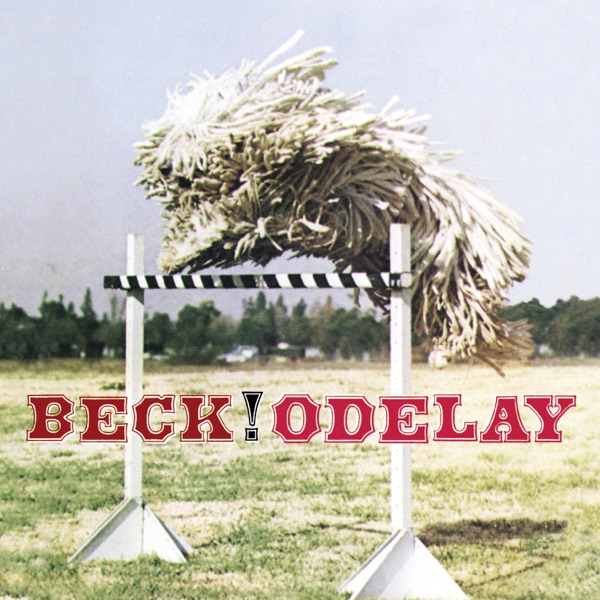
Beck broke down all sorts of genre boundaries on his 1996 album Odelay. (Supplied: Universal Music)
The mid-90s was often an era of genre loyalty, so Beck’s explosion onto the airwaves was met with a cocktail of exhilaration and apprehension.
Genre lines vanish on Odelay, a kaleidoscope of blues, hip hop, and indie rock, anchored by The Dust Brothers’ production genius, the same brilliance that shaped the Beastie Boys’ classic Paul’s Boutique earlier in the decade.
It’s a gloriously odd record that sees Beck paint with a sprawling palette, as heard in the Eastern-tinged mystique of Derelict, the sun-dappled drift of Jack-Ass, and the swaggering funk of Sissyneck.
But it was the soulful rap bounce of Where It’s At and the rollicking Devil’s Haircut, driven by a sample from garage rock icons Them, that hit the spot for Aussie audiences, both landing in the top 50 in that year’s Hottest 100 and still wildly popular today.
He’s kept reinventing himself ever since, drifting from introspective folk to shimmering pop and more. But Odelay remains a defining peak, both for Beck and for the indie rock canon of the 90s.
Tool — AEnima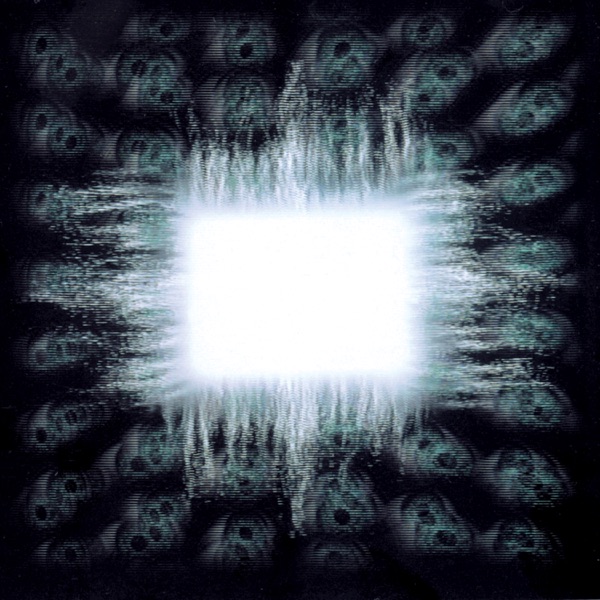
Tool’s second album proved heavy music could be cerebral, strange, and goofy — all at once. (Supplied: Dissectional/Volcano)
1993’s Undertow might have singled Tool out as an unconventional heavy band but it was the sequel that sealed their status as prog metal juggernauts operating in a league of their own.
From the enticing opening moments of Stinkfist to the colossal closing mantra of Third Eye, AEnima settles for nothing less than ambitiously strange and subversive.
This was music to get lost in — dark as obsidian, just as sharp in subject matter and hard in sound, with hypnotic grooves coiled around tricky time signatures fronted by Maynard James Keenan’s alluring vocals.
Streaked beneath this dark atmosphere was equally black comedy. A dedication to late stand-up Bill Hicks features in the liner notes alongside advertising for fake Tool records (Bethlehem Abortion Clinic and Iced Pee, for example). All while the industrial, fascist rally sounds of Die Eier Von Satan simply disguised a recipe for marijuana cookies.
These sly, anti-commercial gestures sat side-by-side with cerebral lyrics concerning religious zealotry (Eulogy), selling out (Hooker With A Penis), spiritual enlightenment (Forty Six & 2), and wiping out LA’s navel-gazing celebrity worship culture (Aenema).
Besides being the band’s breakthrough success, reaching #2 in the US, AEnima also secured Australia’s love affair with Tool (last seen headlining Good Things festival).
You Am I — Hourly, Daily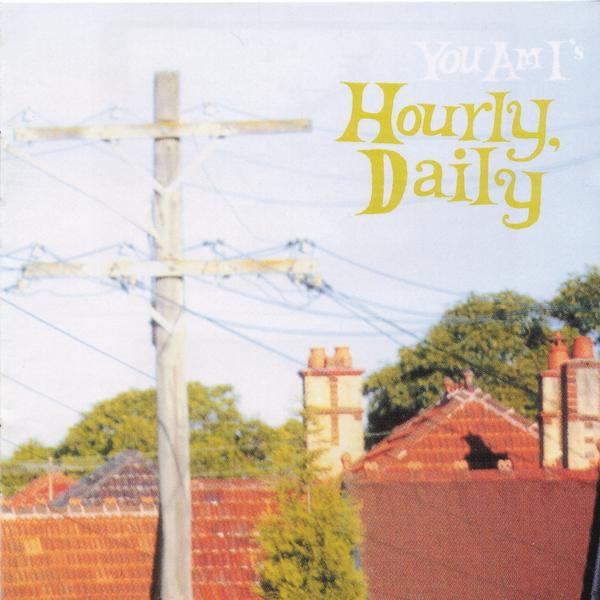
Hourly, Daily came amid an incredble run of albums from Australian rockers You Am I. (Supplied: rooArt)
Nestled within a run of albums few Australian bands could rival sits Hourly, Daily, You Am I’s ode to the grit and grace of everyday life.
Tim Rogers’s songwriting makes Hourly, Daily utterly unskippable, honing the band’s cocktail of 60s beat-pop and post-grunge bite to its sharpest point.
Strings lift the title track and the bleak beauty of Heavy Comfort, horns crown the anthemic Soldiers with a semi-regal flourish, while the irrepressible bounce of Flagfall $1.80 and Baby Clothes guarantees their immortality on setlists.
The melodies hook you, but the stories stick around far longer: wheezing neighbours, the numbing drone of breakfast radio, a milkman undone by love, and yearning rendered with sly originality — where else does a love song tip its hat to a TAB win?
Hourly, Daily stands as one of Australia’s finest albums, a towering peak in the remarkable career of these ARIA Hall of Famers.
Revisit more of the best albums of all time on Double J’s Classic Albums.