
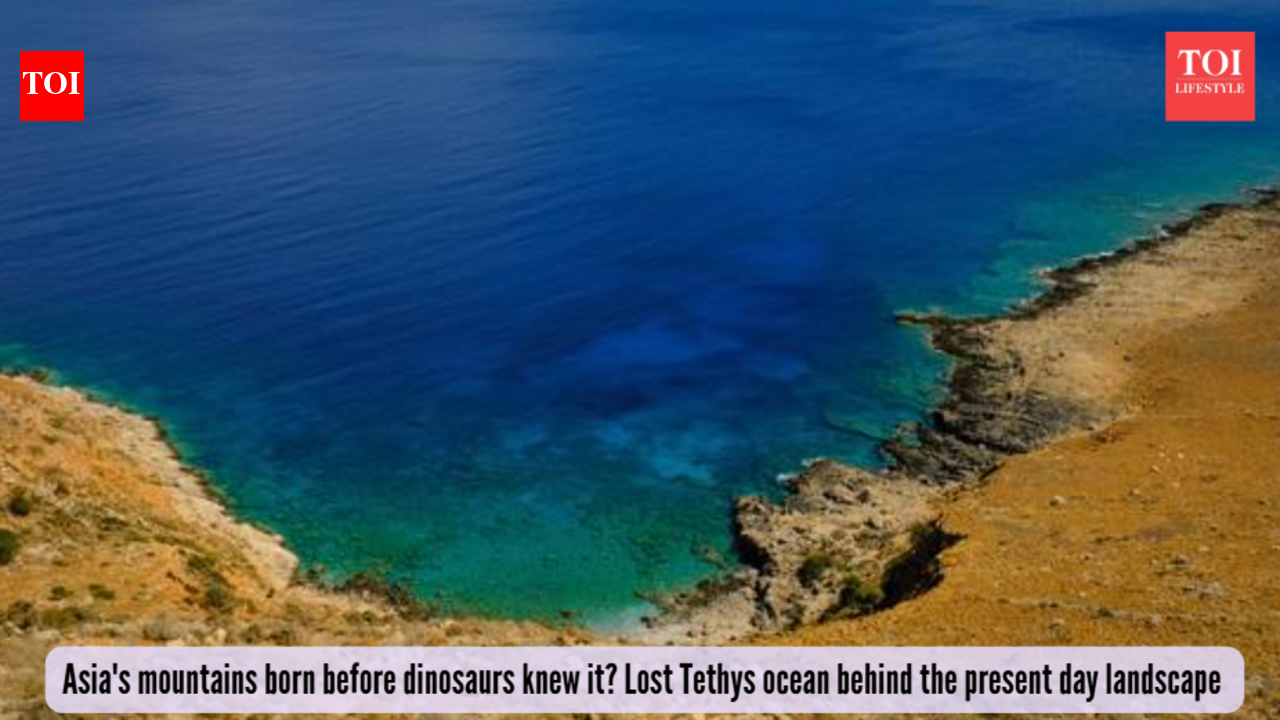
 Central Asia’s rugged terrain was shaped by the ancient Tethys Ocean, not climate change or mantle flows, according to new research. This massive ocean’s tectonic forces reactivated old fault lines, creating mountains and highlands millions of years before the Himalayan uplift. Dinosaurs once roamed this similarly uneven landscape. Millions of years ago, when the Earth was still finding its way toward what it looks like today, it was the blue planet – quite literally.The Earth was covered in raging oceans across its giant sphere, but they vanished over the course of eons, leaving behind fingerprints across entire continents and giving rise to mountains and various other landforms.Researchers at the University of Adelaide have pieced together this puzzle using decades of rock data, going far beyond what we already know.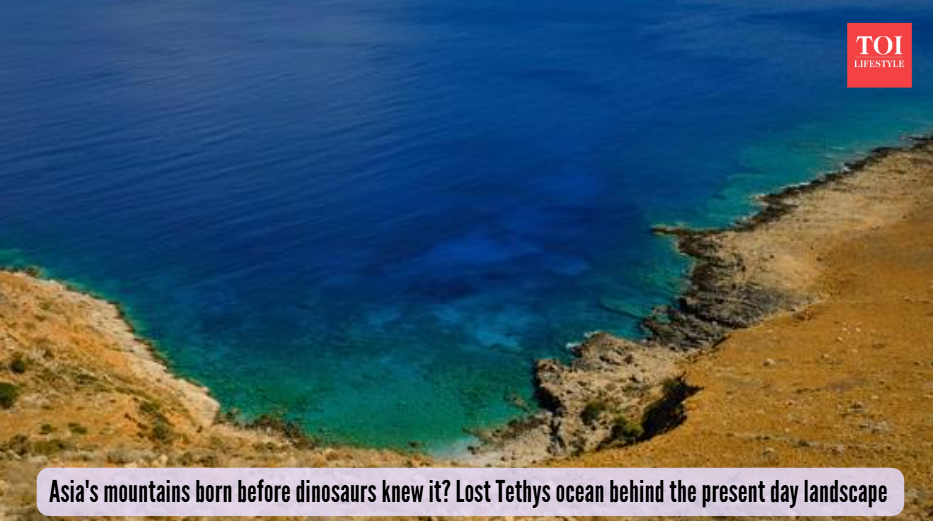
Lost Tethys ocean behind the present day landscape
The vanished Tethys oceans that existed millions of years ago
A new study published in Communications Earth & Environment by University of Adelaide scientists shows that Central Asia’s varied terrain originated from the ancient Tethys Ocean, which closed over the Meso-Cenozoic era, roughly spanning the last 250 million years.This massive ocean has since shrunk to the present-day Mediterranean Sea. It sent ripples of tectonic force deep inland, reactivating ancient fault lines and giving rise to mountains and rugged highlands across regions such as Kazakhstan, Uzbekistan, and western China. According to Dr Sam Boone, the lead author and former postdoctoral researcher at the University of Adelaide, “Instead, the dynamics of the distant Tethys Ocean can be directly correlated with short-lived periods of mountain building in Central Asia.”The team’s extensive dataset compiled hundreds of thermal history models from 30 years of research, tracking how rocks cooled during uplift and erosion to reveal these hidden pulses.
Dinosaurs lived in the mountains millions of years ago
How present-day Central Asia looks owes much to India’s collision with Eurasia, but dinosaurs during the Cretaceous period would have roamed a similarly uneven landscape.Associate Professor Stijn Glorie, a co-author from the university’s School of Physics, Chemistry and Earth Sciences, notes, “However, during the Cretaceous period, dinosaurs would have seen a mountainous landscape as well, similar to the present-day Basin-and-Range Province in the western United States.” 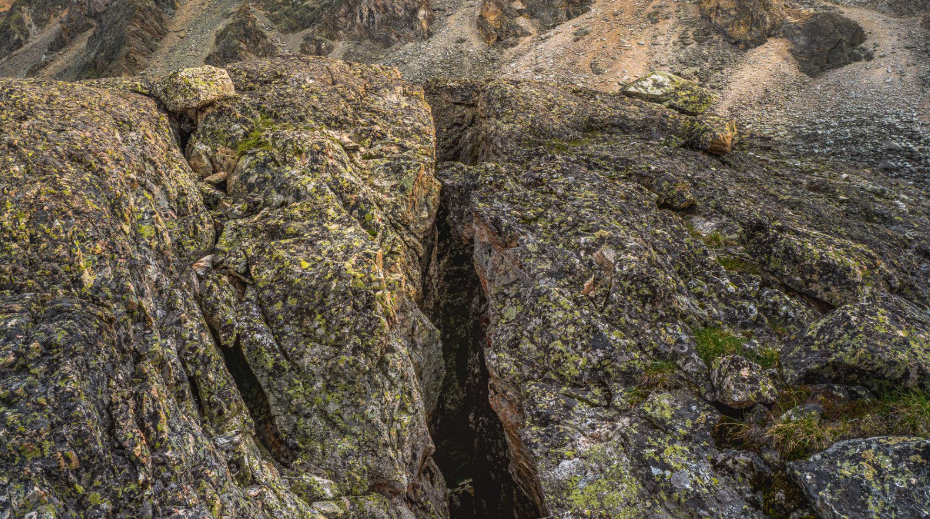
Rugged Asia fault lines
He adds, “It is thought that extension in the Tethys, due to roll-back of subducting slabs of ocean crust, reactivated old suture zones into a series of roughly parallel ridges in Central Asia, up to thousands of kilometres away from the Himalayan collision zone.”Forces from that distant ocean impacted old geological seams, sculpting ridges and basins millions of years before the massive Himalayan uplift began.
Old theories reasoned this was due to climate change
Earlier theories blamed a mix of collisions, mantle flows, and climate shifts for the terrain, but the region remained largely arid for much of the past 250 million years.Dr Boone explains, “We found that climate change and mantle processes had little influence on the Central Asian landscape, which persisted in an arid climate for much of the last 250 million years.” Remote Tethys tectonics were, in fact, the main drivers behind these changes.