
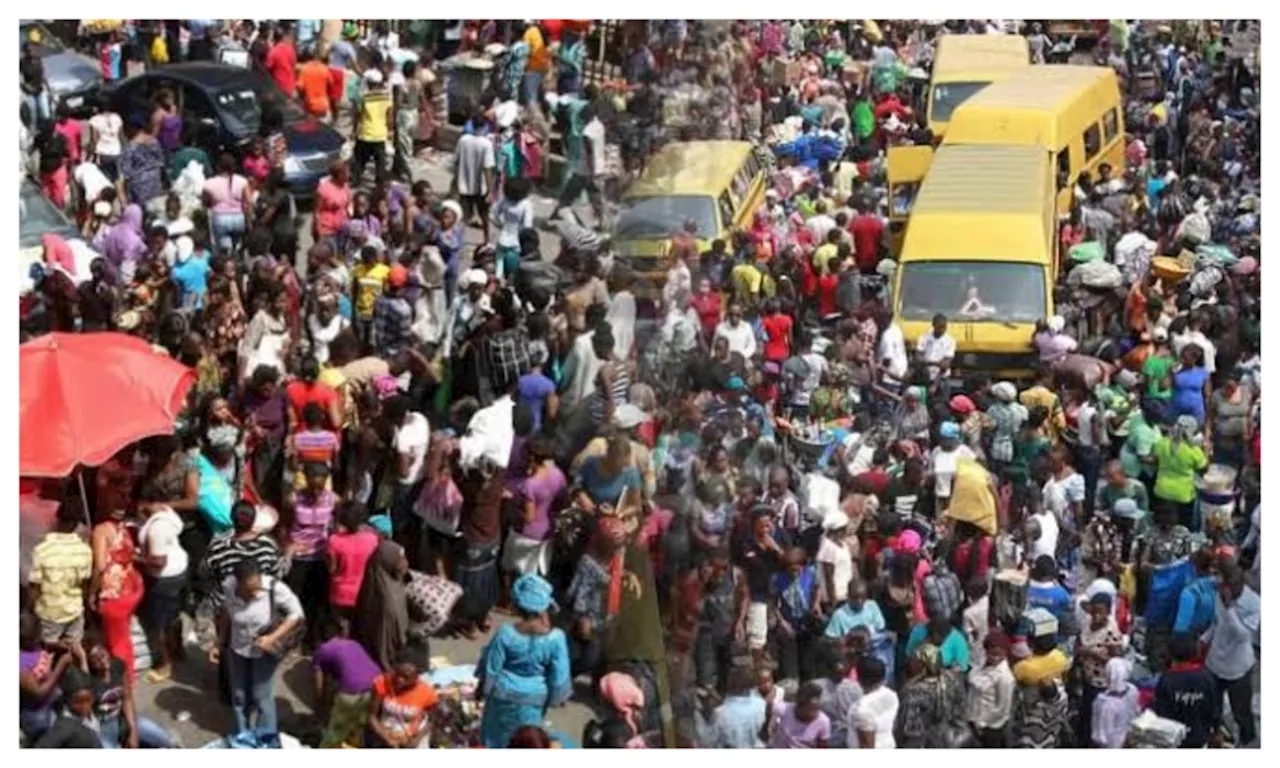
Franklin Ngwu, Director of the Public Sector Initiative at Lagos Business School, projects that approximately 140 million Nigerians may be classified as poor by 2026. This is despite the ongoing economic reforms by the Tinubu administration. Ngwu highlighted rising unemployment, increasing poverty, and rising debt. He points out that the real impact of the reforms should be measured based on its effect on the ordinary Nigerian citizens. The UN reports state that around 30 million Nigerians will move into poverty this year.
Franklin Ngwu, the Director of the Public Sector Initiative at the Lagos Business School, has expressed concerns about the potential impact of President Bola Tinubu ‘s administration’s reforms on the Nigeria n population. Speaking during a recent interview on Arise Television’s ‘Prime Time,’ Ngwu highlighted that despite the ongoing reforms, particularly the floating of the foreign exchange rate, a significant portion of the population is projected to be impoverished.
He estimates that at least 140 million Nigerians could be classified as poor by 2026. Ngwu’s analysis centers on several key economic indicators, using them to evaluate the current state of the nation. He pointed out the rising unemployment rates, increasing poverty levels, and the escalating national debt as significant challenges. While acknowledging some positive developments, such as a potential decrease in inflation and growth in government revenue, Ngwu emphasizes that the true measure of success lies in the lived experiences of ordinary Nigerians. He underscores the crucial importance of considering how the reforms affect the average citizen, specifically focusing on poverty and unemployment as primary concerns. The crux of Ngwu’s argument is that the benefits of the reforms, such as increased revenue, may not translate into tangible improvements in the lives of ordinary Nigerians, thus rendering them futile. He asserts that the public perception of the reforms is critical, as the success of any policy heavily depends on the people’s acceptance and support. The government’s actions, he suggests, must not only stimulate economic growth but also ensure widespread improvements in the standards of living. \Ngwu’s concerns are further amplified by reports from the United Nations, which predicts that an additional 30 million Nigerians will fall into poverty this year. This estimate, coupled with existing poverty levels, paints a worrying picture, indicating a substantial increase in the number of impoverished citizens. The reforms, while intended to address long-standing economic issues, must be carefully managed to prevent further hardship and social unrest. Ngwu raises pertinent questions regarding the execution of these reforms, particularly the removal of fuel subsidies and the floating of the foreign exchange rate. He suggests that the effectiveness of these measures should be closely monitored and adjusted as needed, based on their immediate effects on key economic indicators and, more importantly, on the overall well-being of the population. The pace and manner of implementation are critical factors that will significantly influence the outcomes. Ngwu stresses the need for a comprehensive approach, including social safety nets and targeted interventions to cushion the negative impacts of the reforms and protect vulnerable groups. This involves a delicate balancing act to ensure that the immediate effects of the reforms do not outweigh their long-term benefits. Ngwu’s analysis points to the importance of sustainable economic development plans that foster inclusive growth, reducing inequalities, and improving the lives of all Nigerians, not just a select few. The goal of the reforms should extend beyond abstract economic metrics, focusing on building a more equitable and prosperous society. \In essence, Ngwu’s statements serve as a call for a critical re-evaluation of the reform policies and their impact on the population. He calls for a more holistic approach that prioritizes people-centered development and social justice. He believes that the success of the reforms should not only be measured in economic gains but also in the tangible improvements in the lives of everyday citizens. Ngwu’s analysis serves as a crucial reminder for policymakers to keep the human cost in mind when implementing economic reforms. He warns against a one-size-fits-all approach and suggests the need for flexibility, adaptive strategies, and continual feedback to ensure that reforms do not disproportionately affect the most vulnerable members of society. The focus should be on building a sustainable economic model that benefits all Nigerians, creating opportunities, and providing the resources needed for individuals to escape the cycle of poverty and live decent lives. Ngwu’s concerns reflect a broader debate on the social and economic implications of structural adjustment and market-oriented policies, and he strongly suggests that an inclusive approach is required to improve social cohesion and build trust in the government’s efforts. Considering the current economic challenges, the government must adopt an inclusive and balanced approach, ensuring all sections of the society benefit from its policies and its efforts for long term economic sustainability. A focus on social safety nets is considered a crucial aspect of reducing the burden on the vulnerable sections of the society
We have summarized this news so that you can read it quickly. If you are interested in the news, you can read the full text here. Read more: DailyPostNGR / 🏆 11. in NG
Economic Reforms Poverty Unemployment Nigeria Bola Tinubu
Nigeria Latest News, Nigeria Headlines
Similar News:You can also read news stories similar to this one that we have collected from other news sources.
 Illegal dumping: LAWMA seizes waste carts, arrests suspect on Lagos Island The Lagos Waste Management Authority, LAWMA, has confiscated several refuse carts and arrested a suspect during a pre-dawn enforcement exercise on Lagos Island, as part of intensified efforts to curb illegal waste disposal.
Read more »
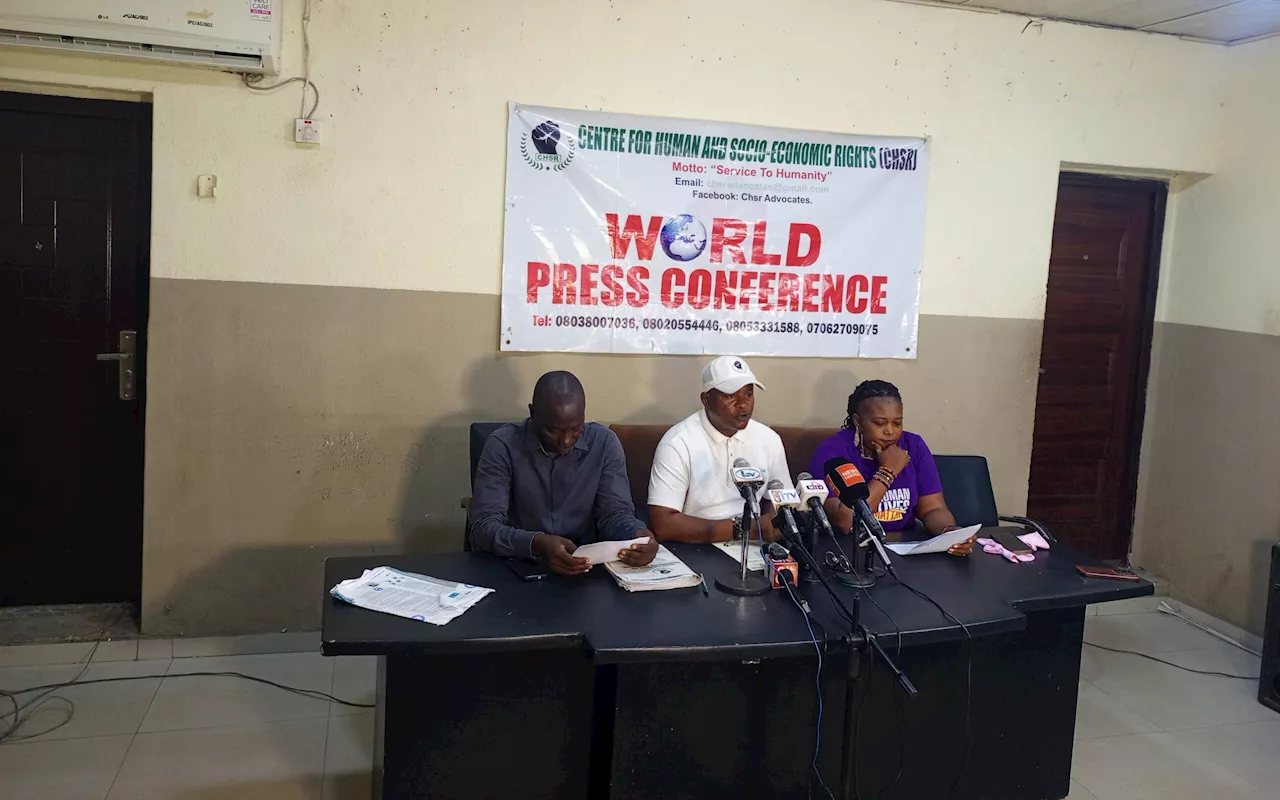 Demolitions: Activists call for probe into police crackdown on Lagos protestThe activists demanded compensation for victims, restoration of demolished properties, independent investigations into alleged abuses, and the immediate removal of Mr Jimoh.
Read more »
 Obafemi, H.I.D. Awolowo Memorial Tournament kicks off as 32 teams battle in LagosThe annual competition, organised for children, features 16 teams each in the Under-10 boys’ and Under-17 girls’ categories,
Read more »
 Lagos bans installation of Eze Ndigbo, Seriki, threatens arrestThe Lagos State Government has warned against the assumption of chieftaincy titles without official approval, declaring that violators will face arrest and prosecution under the Obas and Chiefs Law of Lagos State 2015. In a public statement signed by Mr.
Read more »
 Lagos adopting circular economy approach to clean energy transition, says governor’s aideTitilayo Oshodi, special adviser to Babajide Sanwo-Olu, governor of Lagos, on climate change and circular economy, says Nigeria’s clean energy transition must be gradual, inclusive and backed by innovative financing.
Read more »
 Lagos State Confiscates Motorcycles in Ikoyi, Eyes Court ForfeitureThe Lagos State Government has confiscated 65 commercial motorcycles in Ikoyi, enforcing the ban on motorcycle operations in restricted areas. The seized motorcycles will be processed through the courts for possible forfeiture, in line with existing transport regulations, according to the Commissioner for Transportation.
Read more »