


K-pop act BTS / Courtesy of BigHit Music
BTS will mark its return as a full group after a three-year and nine-month hiatus with a historic performance at Gwanghwamun Square, potentially entering the stage via Seoul’s royal ceremonial path.
The K-pop juggernaut is scheduled to hold “BTS Comeback Live: ARIRANG” at 8 p.m. on March 21 to celebrate the release of the group’s new studio album, “Arirang.” It will be the first solo concert by a pop act in the history of the square, a space traditionally reserved for political or national events.
BigHit Music said the location was chosen to reflect the album’s themes.
“The new album ‘Arirang’ captures BTS’ origins, identity and the emotions they wish to convey right now,” the agency said in a statement. “Given the symbolism of the word ‘Arirang,’ we wanted to stage their first postmilitary performance in the space that best represents Korea.”
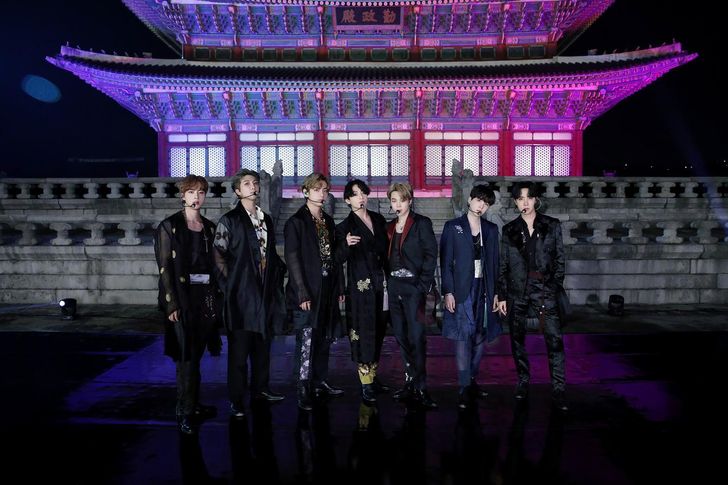
BTS pose in front of Geunjeongjeon Hall of Gyeongbok Palace in Seoul, where the band filmed a performance for the “BTS Week” special on NBC’s “The Tonight Show Starring Jimmy Fallon” in this 2020 file photo. Courtesy of BigHit Music
The group is currently negotiating a dramatic entrance with the National Heritage Administration and the Seoul Metropolitan Government. According to the permit application, members would process through the “King’s Road” — moving from Geunjeongmun and Heungnyemun gates inside Gyeongbokgung Palace, through the main Gwanghwamun gate, and onto the woldae (elevated ceremonial platform) to reach the stage.
While the plan adds historical weight to the “Return of the King” narrative, the long procession route has raised concerns about crowd control in the open plaza.
Mobilizing the force: SWAT and crowd control
Authorities are bracing for up to 260,000 attendees, prompting a proactive security stance.
Seoul Metropolitan Police Agency Chief Park Jeong-bo said a dedicated task force will manage the event. Police have divided the site into four density zones — “Core,” “Hot,” “Warm” and “Cold” — which are further split into 15 specific sectors to prevent crowd surges.
“We will ensure citizen safety through rigorous crowd management,” Park said.
Thirteen violent crime teams from nine precincts will patrol the area to prevent assaults and disturbances, while police commandos will be on standby for counter-terrorism measures. To manage traffic, subway trains may bypass Gwanghwamun Station if overcrowding becomes dangerous, and bus routes will be detoured.
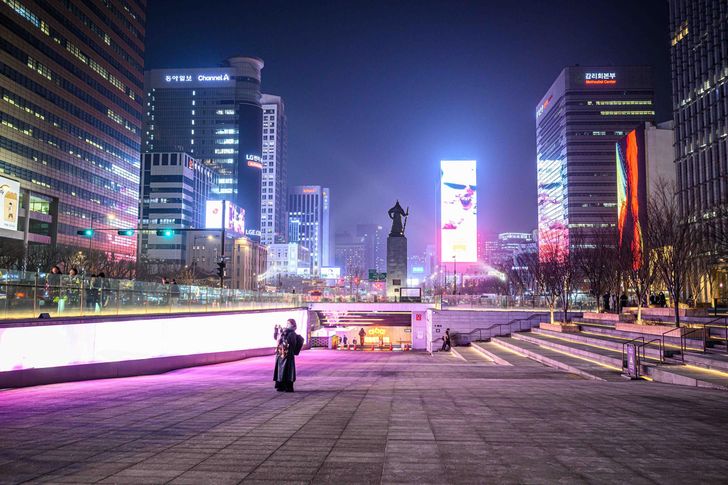
Large digital billboards display advertisements near Gwanghwamun Square of central Seoul, Feb. 5. Korea Times photo by Shim Hyun-chul
Paying the price: Lodging nightmare
While safety measures are set, the city is facing backlash for its reactive response to accommodation price gouging.
With ticket reservations opening on Feb. 23, most hotels in the Gwanghwamun area are already fully booked for the concert weekend. The few remaining rooms have skyrocketed in price, with some motels charging up to 1 million won ($693) per night.
Critics argue the city’s crackdown, which began only this week, is too little, too late, as scalpers and hotels have already cornered the market.
“This concert is a golden opportunity to imprint Seoul’s charm as a global cultural capital,” Seoul Mayor Oh Se-hoon said. “We will prepare thoroughly to ensure safety and prevent price gouging.”
City inspectors are currently checking large hotels for unfair pricing and will expand the crackdown to smaller motels next week.
With just two months remaining until the unprecedented outdoor event, the success of BTS’ comeback will hinge not only on the performance, but on how effectively organizers can navigate these logistical minefields.
This article from the Hankook Ilbo, the sister publication of The Korea Times, is translated by a generative AI system and edited by The Korea Times.