
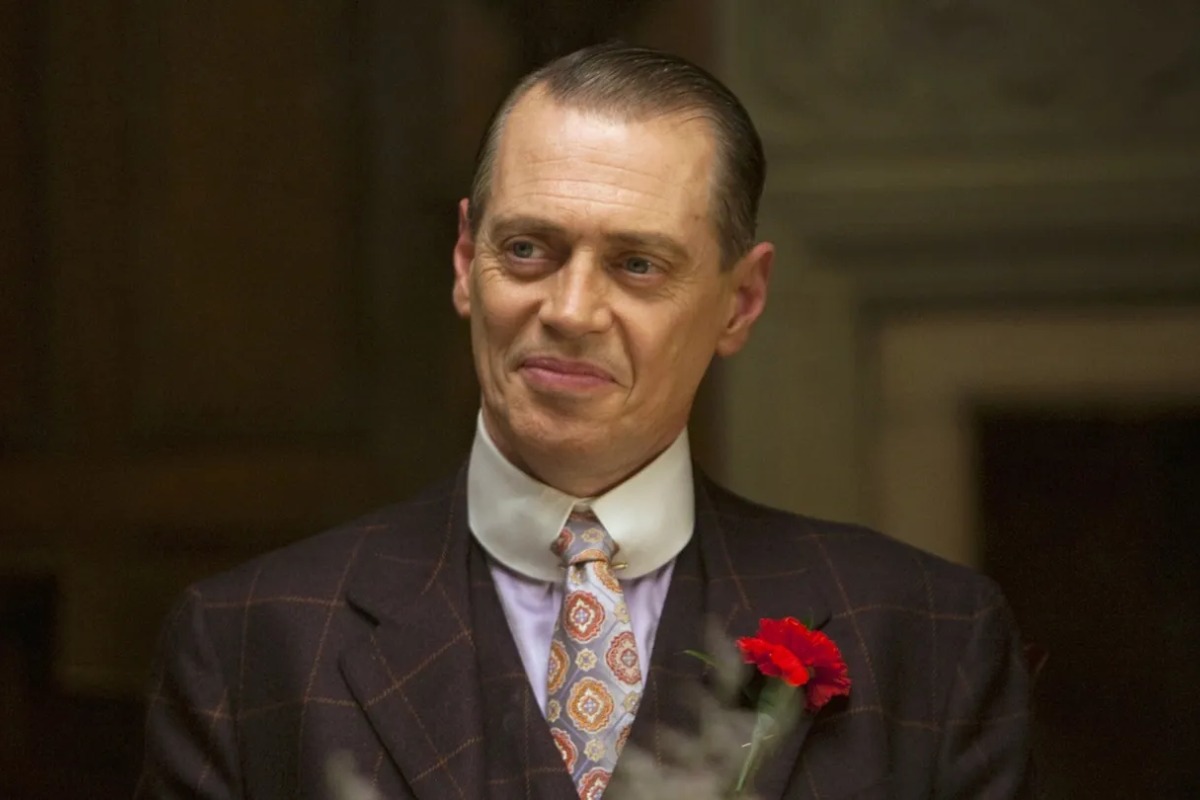
How does a lavish, awards-courting HBO epic with a 4.3 out of 5 rating slip out of the zeitgeist? The 2010s series everyone praised and then forgot might be the most gripping thing you still have not queued up.
Sixteen years on, the Atlantic City of Boardwalk Empire still crackles with bootleg whiskey, backroom deals, and a chill that only money and menace can buy. Terence Winter’s HBO saga, christened by Martin Scorsese and anchored by Steve Buscemi’s slippery power broker Nucky Thompson, fused big screen swagger with meticulous period detail. Overshadowed at the time by Game of Thrones, it carved a sharper portrait of American capitalism where law and outlaw share the same tailor. Rewatching today, its gallery of strivers and specters, from Jimmy Darmody and Chalky White to Al Capone, Van Alden and Richard Harrow, feels startlingly alive.
A forgotten masterpiece of the 2010s
The 2010s crowned television with landmark dramas, yet some gems slipped from the spotlight. Among them, Boardwalk Empire on HBO (2010 to 2014) remains curiously underseen. Lauded on release and often rated around 4.3 out of 5, its audacity and craft still impress. Now, 16 years later, its brilliance begs for a fresh look.
A richly woven tale set during Prohibition
Created by Terence Winter (of The Sopranos), Boardwalk Empire plunges viewers into Atlantic City at the height of Prohibition. The story centers on Nucky Thompson, a corrupt political boss played with mordant finesse by Steve Buscemi. Part businessman and part gangster, he navigates a maze of rigged elections, bootlegging syndicates, and brittle alliances.
Greed, power, and the ascent of the American mafia drive a narrative steeped in moral ambiguity. The series threads real historical currents, from the logistical chaos of alcohol bans to the tight knot binding politics and organized crime in the early twentieth century.
Exceptional craftsmanship, backed by big names
What truly set the series apart was the precision of its execution. The pilot was directed by Martin Scorsese, establishing a grand visual grammar from the outset. Lavish sets and meticulous costumes conjure the 1920s with striking authenticity, the result of a significant HBO investment that prioritized historical detail.
That cinematic sheen endures across 5 seasons, marrying film-grade storytelling with episodic momentum. The production values remain a benchmark, a key reason the show drew widespread critical acclaim.
A stellar cast bringing depth to each role
Led by Steve Buscemi, the ensemble delivers across the board: Michael Pitt, Michael K. Williams, Stephen Graham, and Michael Shannon, among others. Each performance deepens the show’s world, layering ruthlessness with vulnerability.
Jimmy Darmody emerges as a haunted World War I veteran; Chalky White stands as a proud, combustible community leader; Agent Van Alden chills with brittle zealotry; and Richard Harrow, a disfigured yet tender marksman, lingers long after each episode. These indelible portraits cement the series as essential viewing for character-driven drama fans.
Timeless themes, waiting to be rediscovered
Beyond its thrills, Boardwalk Empire interrogates American capitalism, social contradictions, and the porous boundary between legal and illicit power. Its lineage nods to The Sopranos and The Wire while carving a distinct identity in TV history.
Even amid the peak-TV crush and the shadow of Game of Thrones, the series built a devoted audience. Today it seems absent from many watchlists, despite being available in full on Max (formerly HBO Max), ready to captivate a new wave of viewers.