
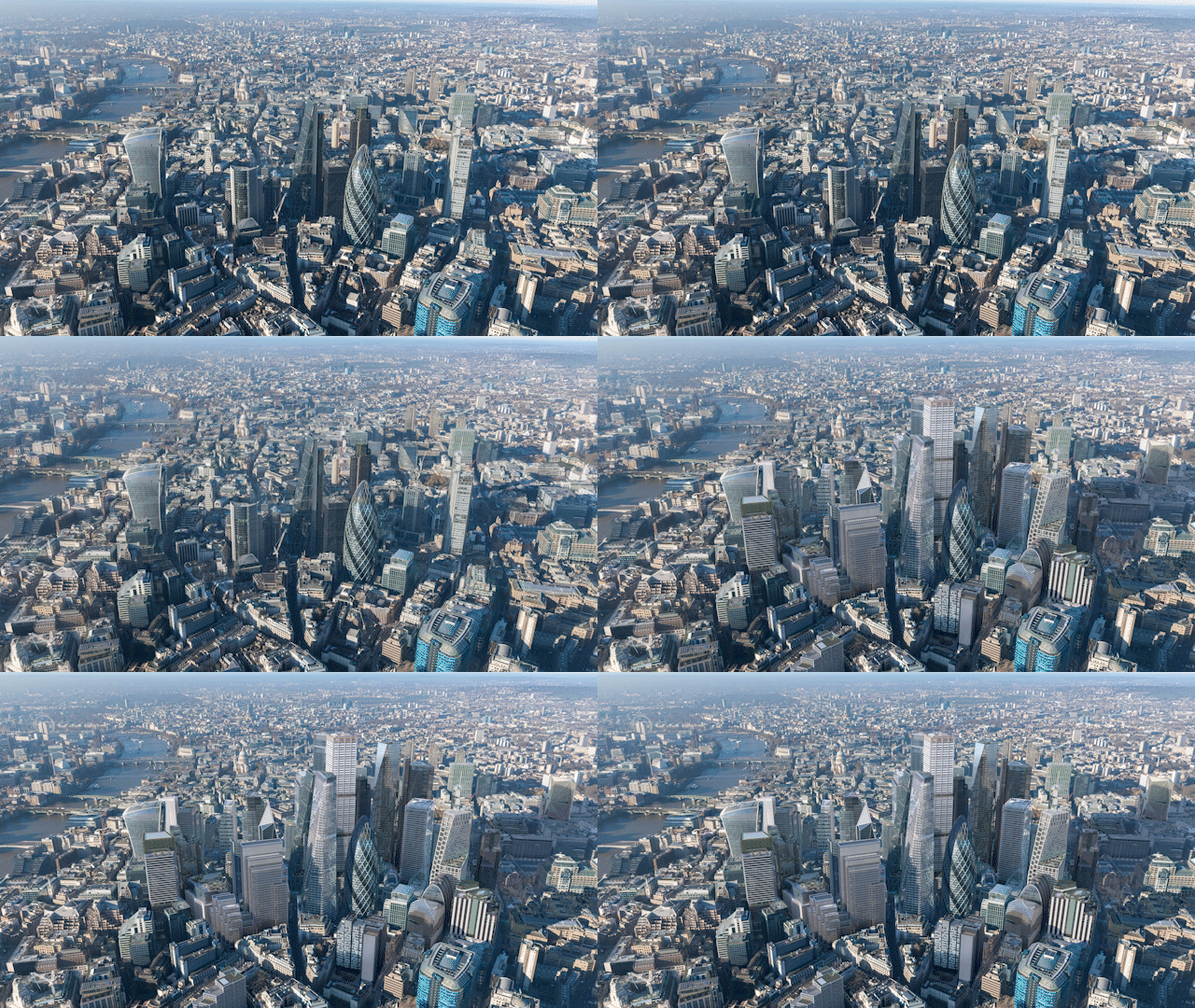
The City of London approved the equivalent of ten Gherkins of office space last year as an overhaul of the capital’s skyline continues apace.
Despite fears that the rise in working from home would put paid to the Square Mile’s historic role as a financial and professional services hub, the opposite has been true, with dozens of new projects approved over the past five years.
Last year marked a record in planning approvals as half a million square metres of office space was granted planning permission in the Square Mile — which is larger than the Vatican City.
Projects approved last year include the new design of 1 Undershaft — which will be as tall as The Shard — and two major projects on Gracechurch Street.
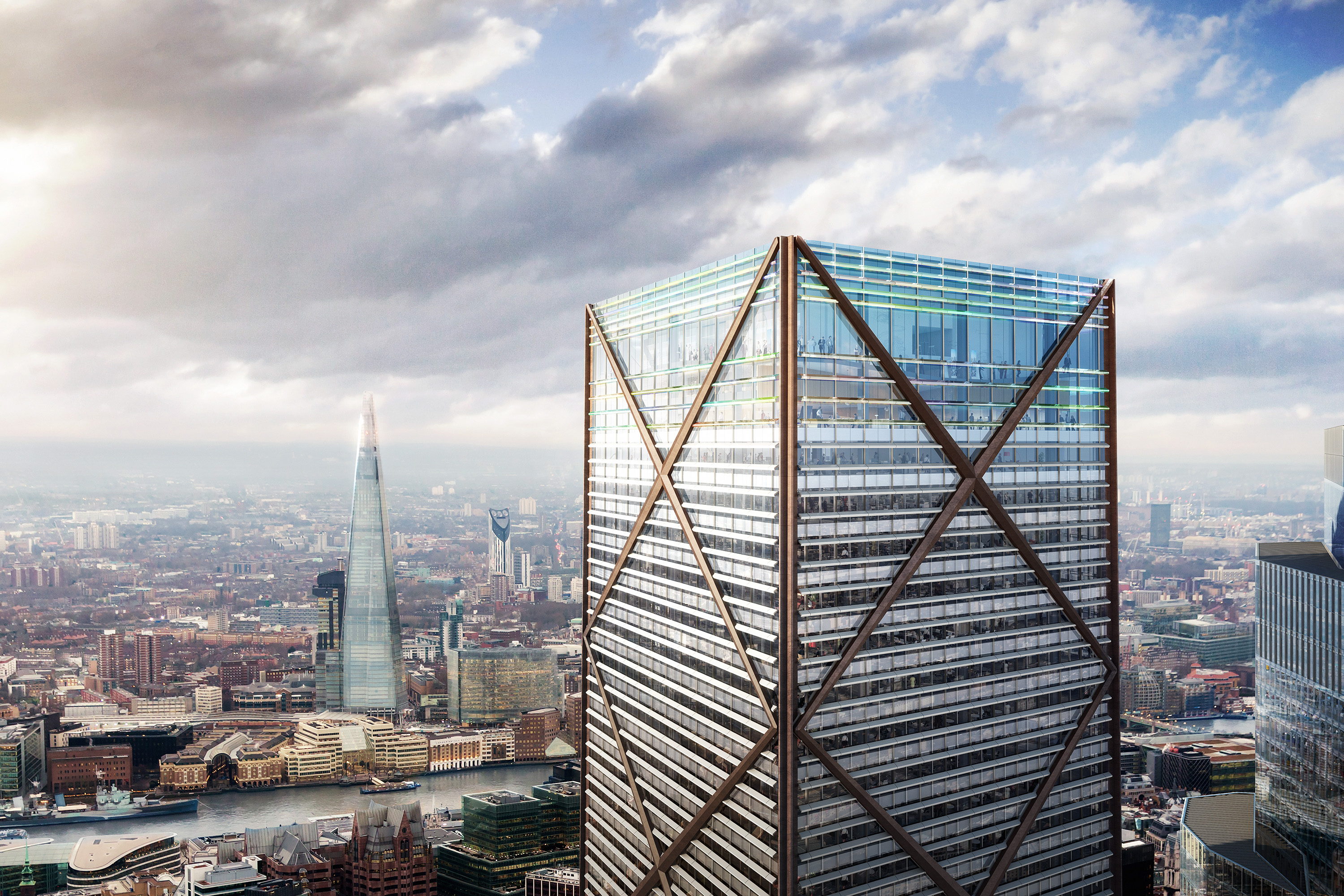
1 Undershaft will be as tall as The Shard
ERIC PARRY ARCHITECTS/DBOX
Rents continue to rise despite the explosion in high-end office space. Banco Master, a Brazilian bank, took the top office floor at 22 Bishopsgate, which has the highest ever rent in the Square Mile at £122 per square foot, early last year. Vacancy rates for new build office space is less than 1 per cent.
Tom Sleigh, the chairman of the City of London Corporation’s planning and transportation committee, said January had been the “strongest [January] in seven years, both in applications submitted and decisions made.
“We’ve already approved four major schemes in the first few weeks of the year alone and that tells you everything about investor confidence in the City. Demand for sustainable Grade A space is real, it’s rising, and we are responding decisively,” he added.
• London running out of office space to meet post-Covid demand
The skyscraper boom in the City is largely focused on the so-called Eastern cluster of the Square Mile which runs from Liverpool Street station through Bishopsgate towards London Bridge and Aldgate. Other areas of the Square Mile, towards the west, are being developed but typically at lower heights, ensuring a continued sightline to St Paul’s as well as a maintenance of more of the historic fabric of the area.

But some of the new developments are controversial. Last week the redevelopment of Liverpool Street station, including the addition of a 19-storey office building on top, was approved by the Corporation, despite a letter from a group called Save Britain’s Heritage opposing the plans. Simon Jenkins, a prominent architecture critic, has also been a vocal opponent of what he calls the “haphazard” tall building planning.
Sleigh and other City of London officials will head to the south of France next month for Mipim, an annual real estate event that amounts to a beauty parade of global cities to foreign investors.
• High-end office shortage forces firms into lower quality buildings
Sleigh said “our message to global investors is clear: the City of London is open, confident and building at scale, offering the certainty and long term vision that international capital looks for.”