


Sunday, 22 February 2026, 3:53 pm
Press Release: Lobby for Good
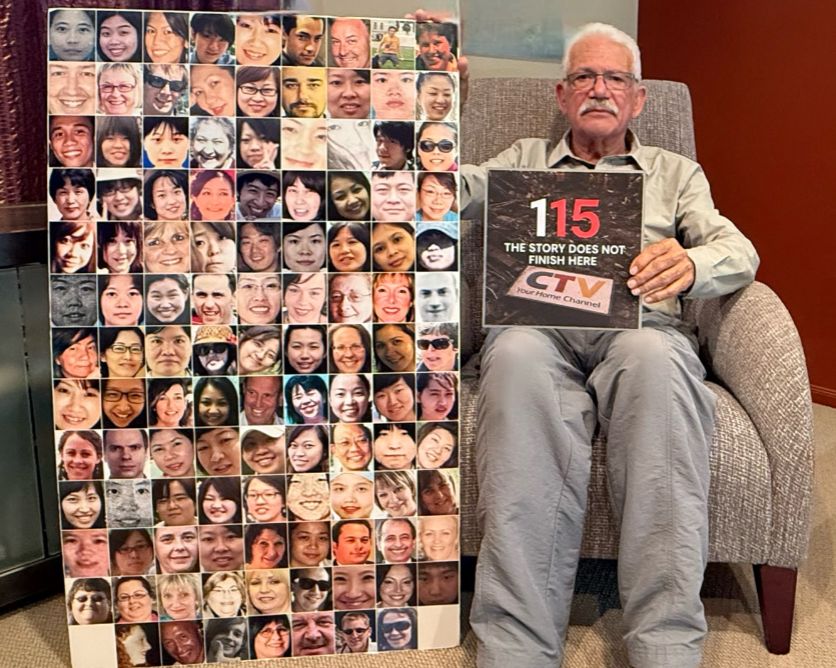 Photo
Photo
credit: Penny Marie (supplied)
Today
marks fifteen years since 115 people lost their lives in the
collapse of the Canterbury Television (CTV) building in
Christchurch.
A Royal Commission later identified
serious deficiencies in design, engineering oversight and
consenting processes. In 2017, Police announced there would
be no prosecution.
For many families,
the unresolved tension has been described as “the gap
between what feels clearly wrong and what is legally
provable.”
That tension has not disappeared. It has
resurfaced in other national tragedies, including the Pike
River mine disaster and, more recently, in calls for a Royal
Commission into the Mount Maunganui landslide, David
Lynch.
In relation to Mount Maunganui, concerns have
already been raised about whether investigations should be
fully independent of any authority potentially connected to
planning or hazard management decisions. Experience from
past tragedies suggests that the structure of the first
response can shape public confidence in the final
outcome.
Across these events, a broader governance
question emerges:
How do we ensure meaningful
accountability at senior decision-making levels when
systemic failures occur – without simply expanding
regulatory burden on those further down the
chain?
The CTV Context
Advertisement – scroll to continue reading
In the years
following the CTV collapse, it also emerged that the
construction manager involved in the project, Gerald Morton
Shirtcliff, had falsified engineering credentials and used
the stolen identity of a British engineer to obtain
work.
However, no criminal charges were laid in New
Zealand in connection with the CTV collapse itself, and
Police ultimately decided not to prosecute anyone over the
deaths.
This distinction highlights a difficult
reality: professional misconduct can be established, yet
criminal liability for catastrophic outcomes may remain
legally unproven.
Regulation After
Tragedy
History shows that tragedy often drives
reform.
After Pike River, health and safety laws were
strengthened.
After Christchurch, building standards
were revisited.
Regulatory reform can be necessary.
But additional compliance obligations often fall on small
businesses, contractors, homeowners and ratepayers – many of
whom had no direct role in the original failures.
At
the same time, accountability at senior governance levels
can be difficult to see.
This is not a call for
lowered evidential thresholds or for undermining operational
independence. High standards of proof are fundamental to the
rule of law.
But the recurring public question
remains:
If systemic failures are identified,
what mechanisms ensure responsibility is proportionate to
authority – before tragedy
occurs?
Accountability as
Prevention
Rather than relying primarily on
post-event regulation, prevention may depend
on:
Clearer lines of responsibility at executive
and governance levelsTransparent risk escalation
pathwaysStronger accountability frameworks for
senior decision-makersEarlier independent scrutiny
where systemic risks are identified
“New
Zealand has shown that we are willing to strengthen
regulation after tragedy,” said Erika Harvey, Director of
Public Affairs, Lobby for Good. “But regulation alone does
not resolve the deeper question of senior accountability.
When responsibility sits at the top, accountability must sit
there too.”
“High legal thresholds protect
fairness – and they should. But if we want systems to
improve before disaster forces reform, we need clearer
responsibility at senior levels of governance, not just
broader compliance at the bottom.”
Public trust
depends not only on process, but on confidence that
accountability reflects power.
Fifteen years after
CTV, the national conversation about responsibility remains
unfinished.
Read David Lynch – spokesperson for the
CTV families here: https://community.scoop.co.nz/2026/02/the-story-does-not-finish-here/
About
Lobby for Good
Lobby for Good is an independent civic
initiative focused on strengthening public accountability
and transparency in New Zealand’s governance systems. We
support individuals and communities to better understand how
public decision-making works, and to engage constructively
with institutions that shape their lives. Our work centres
on governance design, regulatory systems, and practical
pathways for
reform.
Using Scoop for work?
Scoop is free for personal use, but you”ll need a licence for work use. This is part of our Ethical Paywall and how we fund Scoop. Join today with plans starting from less than $3 per week, plus gain access to exclusive Pro features.
Join Pro Individual
Find out more