

by croatiaweek
March 4, 2026
in
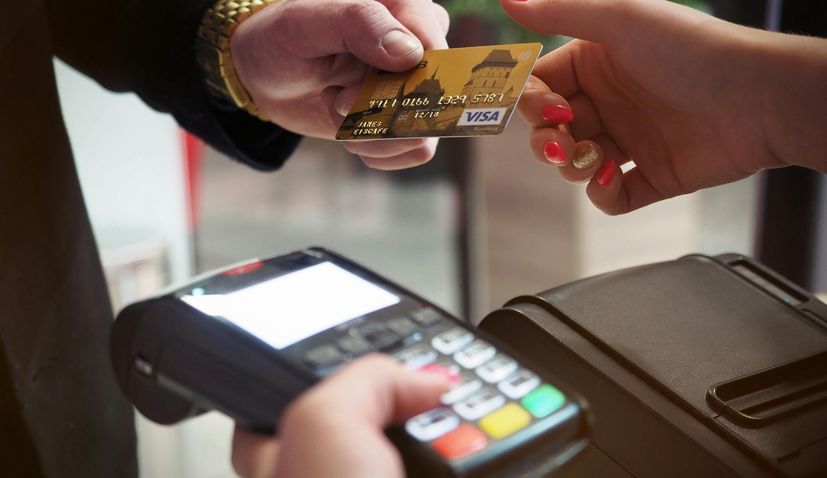
Cashless tipping is rapidly gaining ground in Croatia, with new data showing a significant rise in tips paid by card over the past two years.
Tipping in Croatia has never been a mandatory custom, with a more casual, rounding up of the bill the common move.
As payments increasingly shift from cash to cards, new technology has helped drive a rise in tipping.
According to figures from the Croatian Tax Administration, more than €49 million in tips were recorded through fiscalised receipts in 2025.
This marks an increase of €18 million, or 58 percent, compared with the first year after the system was introduced, according to reporting by Poslovni dnevnik.
The figures form part of a two-year post-implementation assessment of the Income Tax Act conducted by the Ministry of Finance of Croatia.
Majority of tips remain tax-free
Data shows that most of the tips paid through the system fall within the tax-free allowance.
In 2025, a total of just under 46,400 tax-free tips were paid out, amounting to €40.4 million. A further €8.6 million related to approximately 2,500 taxable tips.
For comparison, the year before saw 41,000 tax-free tips worth €26.7 million, alongside €4.3 million in taxable tips.
The figures highlight the rapid adoption of the system across the hospitality sector.
Strong shift towards card payments
Industry representatives say the success of the model reflects broader payment trends in hospitality.
The Croatian Chamber of Economy had strongly advocated for the introduction of cashless tipping.
According to Saša Zrnić from the Chamber’s tourism sector, between 60 and 70 percent of hospitality revenue in Croatia is now paid by card. In highly touristic and urban areas, the share of card payments is even higher.
The introduction of card tipping has therefore allowed customers to tip more easily when paying electronically.
Officials say the increase in recorded tips also benefits employees working in sectors where tipping is common.
The Ministry of Finance notes that the growth in both the number and value of tips effectively increases workers’ income.
Authorities believe this may also help make hospitality jobs more attractive, particularly as the industry continues to face strong demand for labour.
Sign up to receive the Croatia Week Newsletter