
K-pop executive leaves boardroom amid conflict-of-interest concerns over new public role
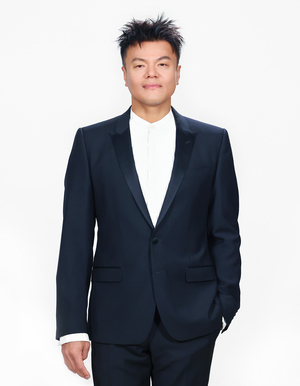
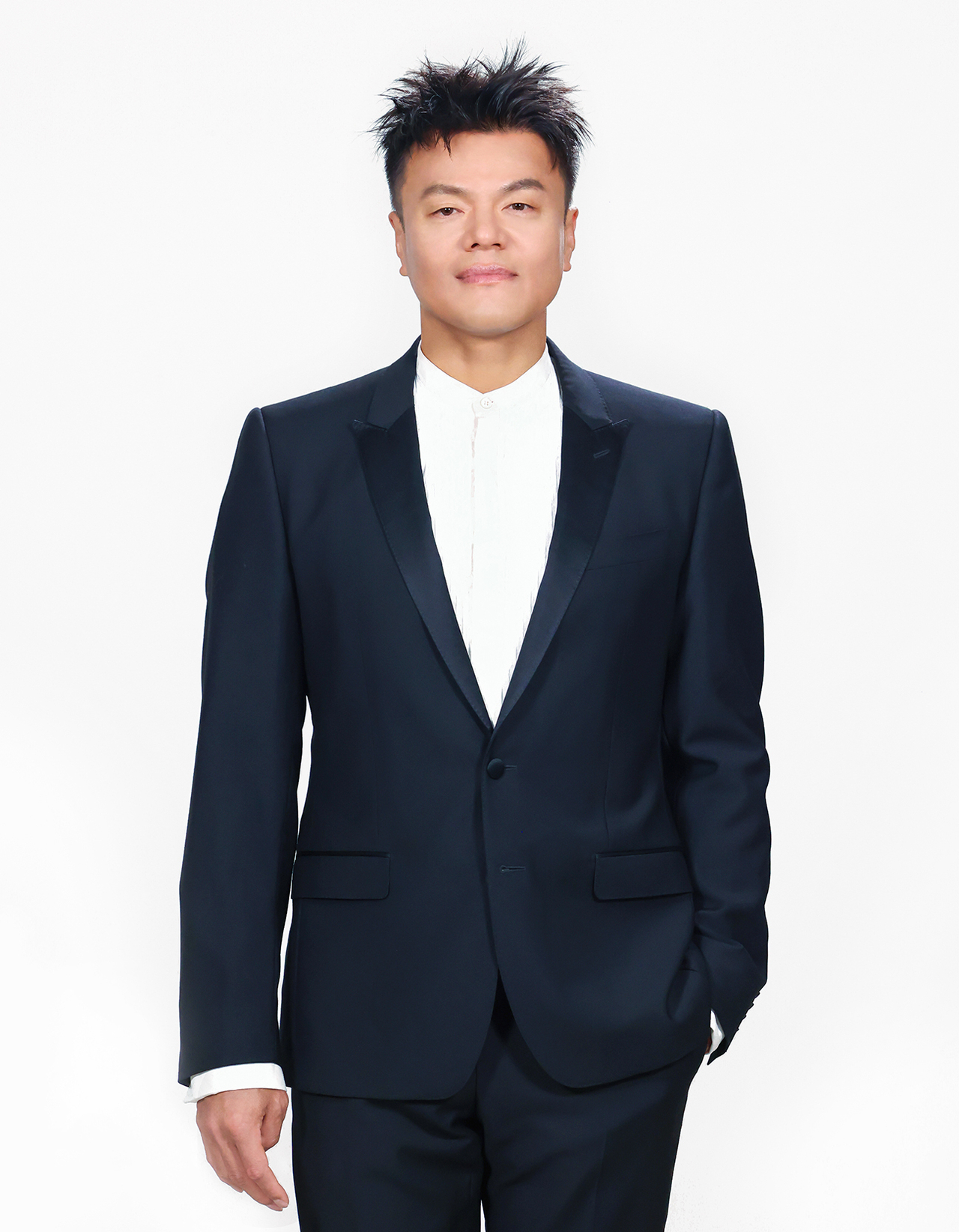 Park Jin-young, founder of JYP Entertainment and a co-chair of the Presidential Committee on Popular Culture Exchange (JYP Entertainment)
J.Y. Park, founder of JYP Entertainment, has stepped down from his position as an internal board director at the company, a role he had held for nearly 15 years, the agency said Tuesday.
While Park will retain his title as chief creative officer, the move appears aimed at easing his corporate responsibilities so he can focus more on his role as co-chair of the Presidential Committee on Popular Culture Exchange.
In a statement, JYP Entertainment said, “He plans to focus on his creative work as an artist, mentoring younger artists and taking on new external responsibilities for the K-pop industry.”
Industry observers say the decision is also linked to potential conflicts of interest. Being co-chair of the government committee — a position that carries ministerial-level status — makes it difficult to maintain a corporate board seat at a profit-driven company.
“Serving as the head of a private company while also leading a government cultural exchange committee could easily create misunderstandings,” music critic Lim Hee-yun said. “For example, considering that discussions about lifting China’s ban on Korean cultural content surfaced during the recent Korea-China summit, Park could potentially benefit the most if the Chinese market reopens, given his position at a major entertainment company. Stepping down from the board helps reduce the possibility of such controversies.”
Another factor is the company’s recent governance challenges. JYP Entertainment holds a relatively high treasury share ratio of about 6.75 percent, and a revised Commercial Act passed by the National Assembly last month requires companies to cancel treasury shares rather than using them as a defense against management challenges.
The new law has increased pressure on companies to make sensitive corporate governance decisions. Park’s resignation from the board is therefore seen as a move to avoid potential controversy while aligning with the government’s corporate value-up initiative aimed at improving shareholder value.
Park has also been heavily involved in projects announced during the launch of the presidential committee in October, including the planned “Fanomenon Festival” and the construction of a world-class K-pop performance venue.
At the time, Park said that after two years of preparation, the “Fanomenon Festival” and awards ceremony would debut in Korea in December 2027 and then expand to major cities around the world beginning in May 2028.
“Fanomenon” combines the words “fan” and “phenomenon,” reflecting Park’s vision of turning the collective energy created by fans into a global cultural celebration rather than simply another concert.
Park has said he intends to build the festival into a global event capable of rivaling Coachella Valley Music & Arts Festival, a goal that will require significant preparation. At the same time, he is also working on plans to build what he has described as a world-class K-pop concert venue.
As K-pop’s global influence continues to grow, Park’s activities as co-chair of the government committee are attracting increasing attention. The position carries expectations that he will deliver tangible results in expanding Korea’s cultural presence internationally. If successful, it could also demonstrate his capabilities beyond the entertainment industry as a public administrator.
Several culture ministers in South Korea have previously come from artistic backgrounds, including Lee O-young, Kim Han-gil, Lee Chang-dong, Kim Myung-gon and Yoo In-chon. However, no former pop singer has ever served in the role.
One lawmaker recently told The Korea Herald that Park’s ambitions appear to extend further.
“Chairman Park is quite ambitious,” the lawmaker said. “I wouldn’t be surprised if he eventually sets his sights on becoming culture minister.”
jaaykim@heraldcorp.com