
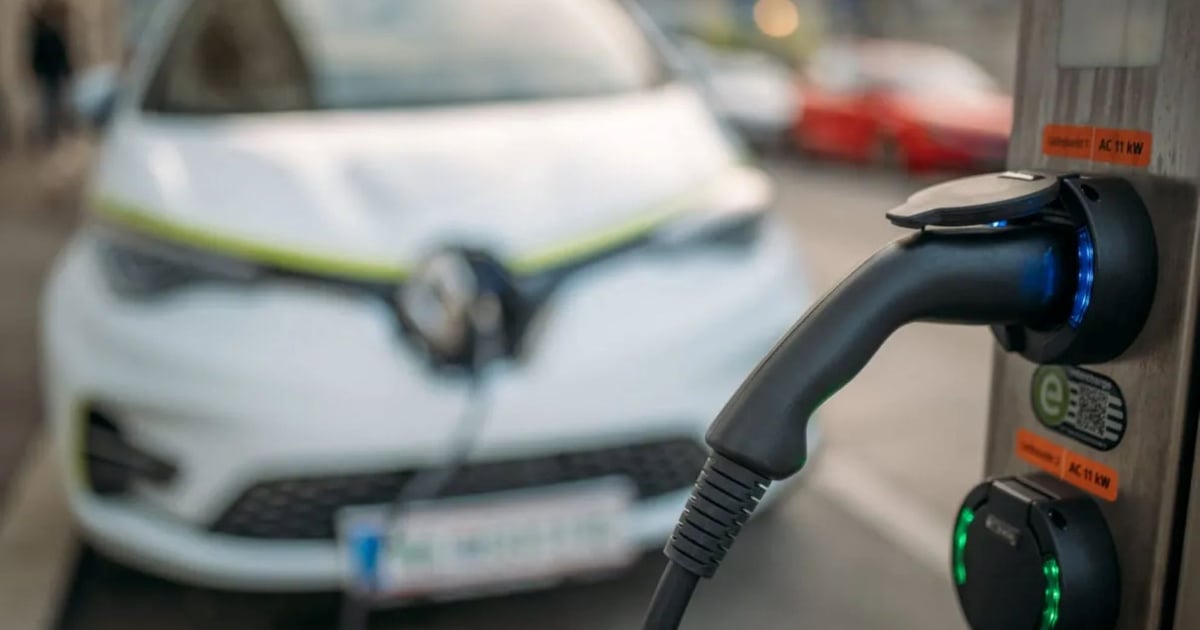
New Zealand (NZ) has reached a milestone in its EV transition, with more than 100,000 new battery electric and plug-in hybrid EVs now registered across the country’s fleet, according to the Motor Industry Association (MIA).
The latest MIA data shows that 100,323 new BEV and PHEV vehicles have been registered in New Zealand as of early March 2026, spanning light and heavy vehicles and motorcycles.
Particularly notable is the dominance of what MIA chief executive Aimee Wiley calls the ‘NZ-new’ vehicle channel in driving this transition. MIA data reveals that NZ-new BEV and PHEV vehicles account for 69.6% of all BEV and PHEV registrations in New Zealand, indicating that the majority of electrified vehicles entering the fleet have come through official distributor channels rather than used imports.
Wiley described the milestone as an encouraging sign of progress while reinforcing the need for a practical and stable transition pathway.
“This is a significant milestone for New Zealand’s vehicle fleet and for the distributors and brands bringing lower-emission technology to market,” Wiley said.
“It shows that the NZ-new market is continuing to introduce a growing number of battery electric and plug-in hybrid vehicles across a range of vehicle classes.”
However, Wiley cautioned that fleet transition remains complex, with consumer uptake closely linked to affordability, infrastructure, product suitability and confidence in the policy environment.
“That is why it is important New Zealand has a stable, evidence-based regulatory framework that supports continued progress while reflecting the realities of our market,” she said.
The milestone comes as New Zealand’s EV infrastructure continues to expand. Recent developments include Jolt’s launch of an automatic charging experience across Australia and New Zealand, while Meridian Energy opened a new EV charging hub at Auckland Airport, signaling growing private sector investment in charging infrastructure to support the transition.
The commercial vehicle sector is also seeing significant momentum in electrification. Zenobē and Ritchies are deploying 172 electric buses across New Zealand in a nine-month rollout, demonstrating that the shift to electric mobility extends well beyond passenger vehicles.
A transition in progress, not an endpoint
The MIA emphasised that the milestone should be seen as part of a broader transition already underway, rather than an endpoint.
Lower-emission technologies are expanding across the market, but fleet change takes time as vehicles are progressively replaced over many years. For that reason, policy settings need to support steady fleet renewal, ongoing consumer choice and a workable pace of transition.
The association noted that a durable, well-calibrated approach is particularly important for a small, import-dependent market like New Zealand, where vehicle supply, pricing, and model availability are shaped by global production systems and international regulatory settings.
This reality makes stable policy frameworks essential for maintaining momentum while ensuring the transition remains affordable and accessible to consumers.
Wiley said the milestone was worth recognising because it reflects real progress without losing sight of the work still ahead.
“Crossing 100,000 NZ-new BEV and PHEV registrations is a meaningful achievement. It demonstrates that lower-emission vehicles are now an established and growing part of the NZ-new fleet,” she said.
“The next challenge is ensuring the broader transition remains credible, affordable and sustainable over the long term.”