
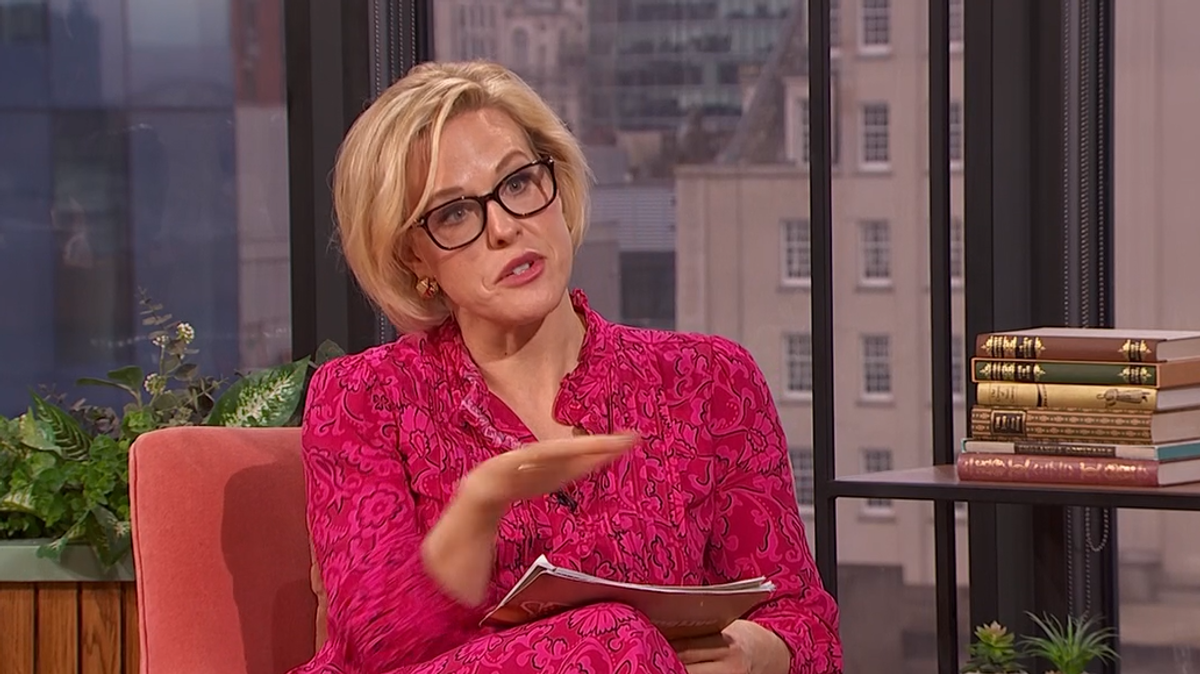
BBC expert explained how the ‘change at the checkout’ will unfold from next Thursday
10:20, 13 Mar 2026Updated 10:46, 13 Mar 2026
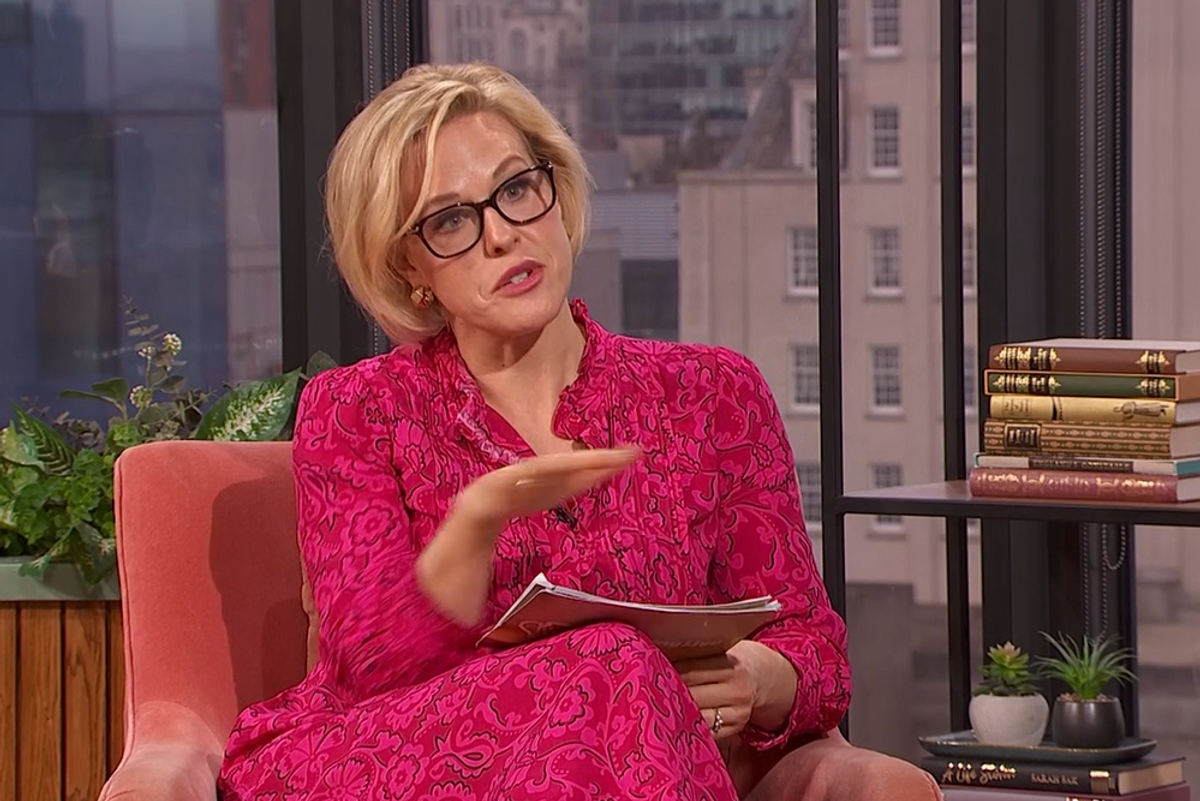
BBC Morning Live Consumer expert Rebecca Wilcox gave an update on contactless payment changes(Image: BBC)
A BBC expert has given a key update on plans to allow major changes for anyone making a contactless payment from March 19. The Financial Conduct Authority is changing the limit from £100 for contactless card payments and BBC Morning Live looked at how it might impact consumers at UK checkouts.
Shoppers could find it easier to pay bigger amounts using contactless, under the City regulator’s plans. The current rules mean people can make payments of up to £100 per transaction when using physical contactless cards.
Under changes being made next week by the Financial Conduct Authority (FCA), banks and payment providers with strong fraud controls will be able to set their own limits. And a key update has been issued by banks including Lloyds, HSBC, Santander, Barclays, Natwest and Monzo.
On BBC Morning Live Consumer expert Rebecca Wilcox said: “Basically the Financial Conduct Authority which is the regulator for all the banks has said we’re going to go to an unlimited spend on contactless. Now. this is helpful for someone like me who is always forgetting their chip and pin but for most people actually we’re not going to see a great change.
“This is happening from March 19 this year. So you used to have £100 limit for every tap now it’s going to be limitless but not now and I’ll explain why. It first came in back in 2007 and that was a £10 limit. Doesn’t that seem lovely and innocent?” She explained this was raised to £15 in 2010, £20 in 2012, £30 in 2015. She added: “Covid came in in 2020, which meant people didn’t want to touch things, so it went up to £45 and then again jumped quite quickly in October 2021 to £100, and that’s where we’ve stuck for a bit.
“Did you know that 74 per cent of all UK card transactions are now contactless. We’ve all forgotten out PIN except for the 10 per cent of us who still used Chip and PIN. The other 16 per cent is just online payment.
“Weirdly, the average spend for your tap is £16.83.” Host Gethin Jones asked: “If that’s the average, you have to wonder why we have to go beyond £100 for the contactless limit.”
Rebecca said: “It is because the Financial Conduct Authority it has said it is looking at future proofing itself for flexibility with banks, and payment providers. So we don’t know what’s going to happen with inflation. It is reflecting the changes in consumer demand and the banking response to inflation. It needs to allow for new technology to come in, so it’s not going to happen in the immediate future. Industry feedback is that most banks will keep to current limits because that’s what they’re set up for and the existing £100 limit is going to remain for many customers even after this change comes in from March 19.“
“We have spoken to most of the major banks. We have spoken to Lloyds banking group, HSBC, Santander, Barclays, Natwest and Monzo and every single one of them says they are sticking with the £100 limit. So this has come in, the FCA’s starting, and we’re all thinking about it, we’re all worried about it, but actually banks set their limits on it, and they go to what the customer wants. So if we all start going ‘we’d like to spend a bit more doing that’ maybe they’ll change it, but not in the immediate future.”
Those that do will need to communicate the changes clearly to their customers, the regulator said. The aim is to allow firms to better respond to changing consumer demands, inflation and new technology.
Firms are also being encouraged to let customers set their own limit, or turn contactless off altogether, as many high street banks already do.
The popularity of contactless payments has surged over the years, with contactless card transaction limits having previously been increased in a series of steps.
According to consumer spending data from Barclays, 94.6% of eligible in-store card transactions were contactless in 2024.
Last year, there were 10 times as many contactless transactions per month than there were in 2015, according to Barclays. As well as a £100 limit for a single contactless card transaction, there is also a cumulative total of £300 in contactless transactions, or no more than five consecutive contactless transactions, since the last application of “strong customer authentication” to verify a payment was made.
Under the rule change, firms will also have the flexibility to consider changing the cumulative contactless approach if they want to.
The FCA believes the option of greater flexibilities will incentivise firms to step up their fraud prevention, giving consumers greater protection.
Existing protections will remain in place, meaning consumers must be reimbursed in unauthorised fraud cases, such as if their card is lost or stolen.
The review of the contactless card limit was one of around 50 measures the regulator outlined in a letter to Prime Minster Sir Keir Starmer in January to help support economic growth.
The proposals were out for consultation until October 15. The regulator has previously said that, based on industry feedback, it anticipated most firms would continue to implement the £100 limit for the time being.
David Geale, executive director of payments and digital finance at the FCA, said: “Contactless is people’s favoured way to pay. We want to make sure our rules provide flexibility for the future, and choice for both firms and consumers.”