
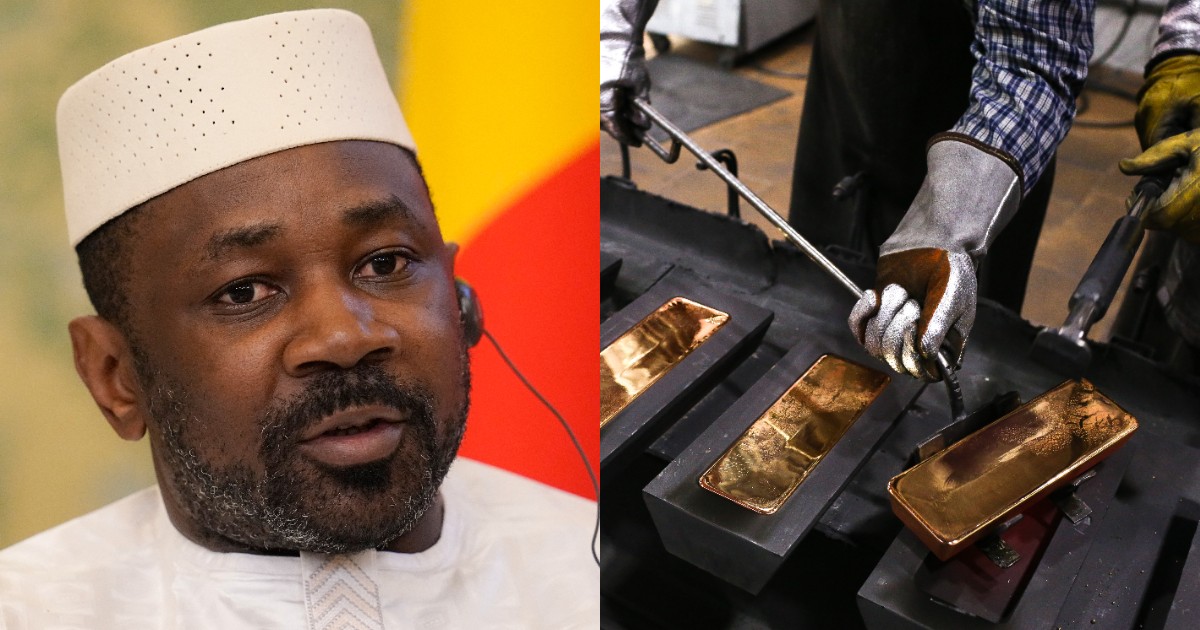
On 12 March 2026, the government allocated more than CFA18.4 billion, roughly $33 million, to municipalities nationwide through the Local Mining Development Fund, according to officials.
The funds were formally handed over during a ceremony at the Koulouba presidential palace, presided over by Mali’s head of state, General Assimi Goïta, alongside the prime minister, cabinet members, and representatives of the National Transitional Council.
The redistribution forms part of broader reforms in Mali’s extractive sector following the adoption of a new mining code designed to increase the economic benefits the country derives from its natural resources.
Under the allocation formula, half of the funds will go directly to municipalities located in mining zones, while other local authorities within those regions will also receive a portion. An equalisation mechanism has also been introduced to ensure that all regions of the country benefit from the fund.
Officials say the fund is financed primarily through mining royalties paid to the state as well as mandatory contributions calculated from the turnover of mining companies operating in Mali.
Gold dominance and new lithium projects shape Mali’s mining future
![Gold ingots. [Photo by Andrey Rudakov/Bloomberg via Getty Images]](data:image/svg+xml;charset=utf8,%3Csvg%20xmlns%3D'http%3A%2F%2Fwww.w3.org%2F2000%2Fsvg'%20width%3D'790'%20height%3D'445'%20data-ring-placeholder%3D'1'%3E%3C%2Fsvg%3E "Gold ingots. [Photo by Andrey Rudakov/Bloomberg via Getty Images]")
The redistribution policy reflects Mali’s effort to strengthen the link between its resource-rich extractive sector and local economic development. Mining remains one of the pillars of the country’s economy, with gold exports accounting for a large share of national export earnings and government revenue.
In recent years, authorities have introduced reforms to increase state participation and boost local content in the mining industry. These changes have accompanied a broader strategy to ensure communities living near mining operations see tangible benefits from the sector.
Officials say the redistribution of mining revenue will help municipalities fund projects in healthcare, education, water access, and energy infrastructure.
With more than 800 municipalities across the country, local governments play a central role in implementing development policies.
Authorities say the latest allocation is intended to strengthen their investment capacity and improve living standards in communities linked to mining activities.